Base editing in embryos reignites fears of designer babies
A newer embryo-editing method can make single-letter DNA changes, but its promise to prevent inherited disease is colliding with fears of a market for designer babies.
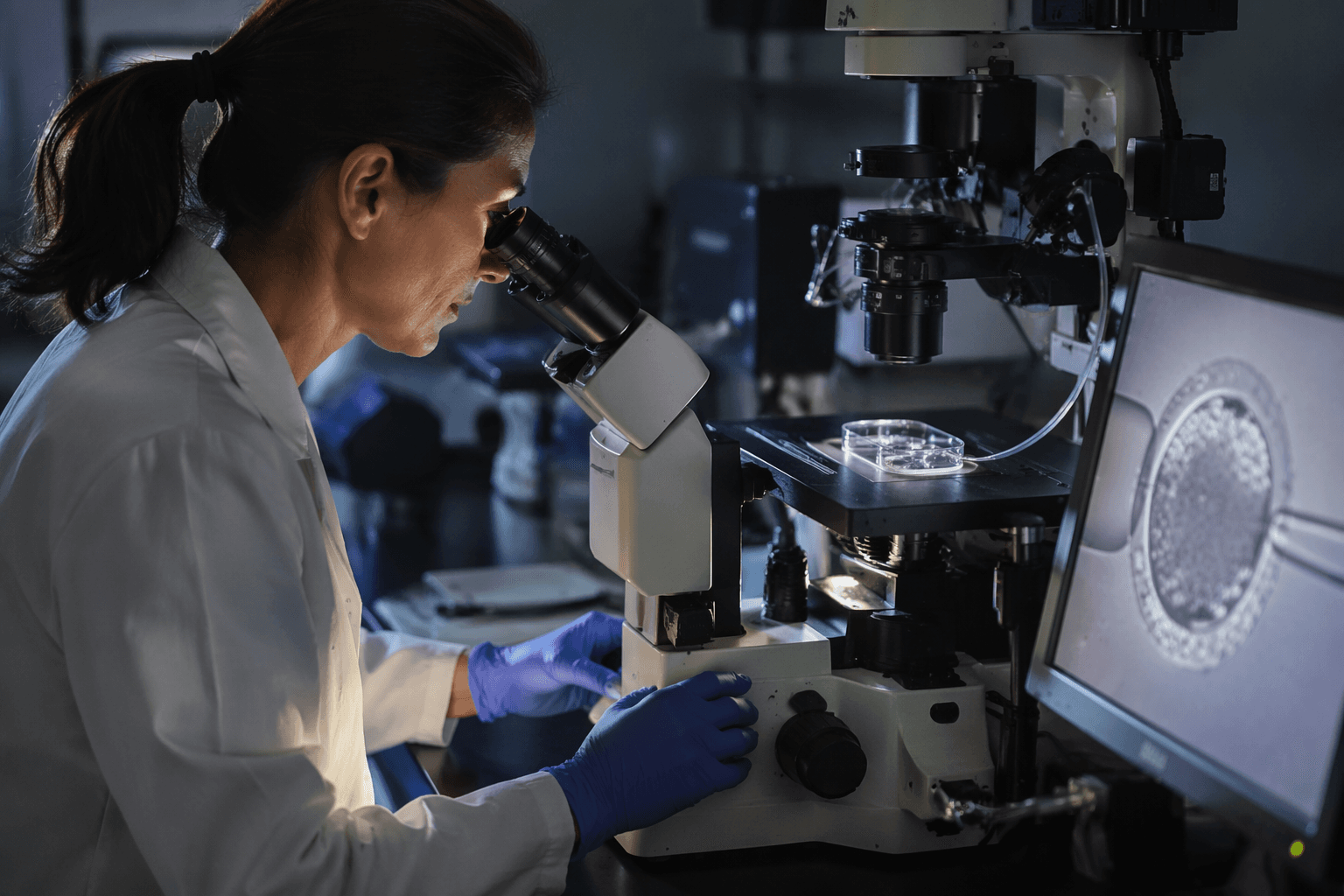
A new round of embryo-editing research has put a sharper edge on one of biotech’s most divisive questions: whether scientists are approaching a tool that could prevent devastating inherited disease, or one that could open the door to engineered traits. The technique at the center of the debate, base editing, can rewrite a single DNA letter more precisely than older CRISPR methods, but researchers say it remains far from ready for clinical use.
That distinction matters because the target is not ordinary gene therapy in children or adults. Editing embryos changes the germline, which means any alteration could be passed to future generations. Supporters argue that the first realistic use would be to correct disease-causing mutations before birth, potentially helping families with serious inherited disorders. Critics see a far broader and riskier market taking shape, one that could normalize embryo engineering and revive fears of designer babies.
The latest experiment has revived memories of the He Jiankui case, which remains the clearest warning about how quickly the field can outrun its rules. In November 2018, He announced that he had edited human embryos that led to the birth of twin girls, and later reports said a third gene-edited baby had been born from a second pregnancy. A Chinese court sentenced He in December 2019 to three years in prison and a fine for illegal medical practice.
The scientific barrier is still safety. Researchers have warned that early human embryos may not cope well with the DNA breaks caused by some editing systems, especially CRISPR/Cas9, raising the possibility of unresolved damage and unintended consequences. That is why many scientists view embryo editing as promising for basic research but not yet suitable for reproduction.
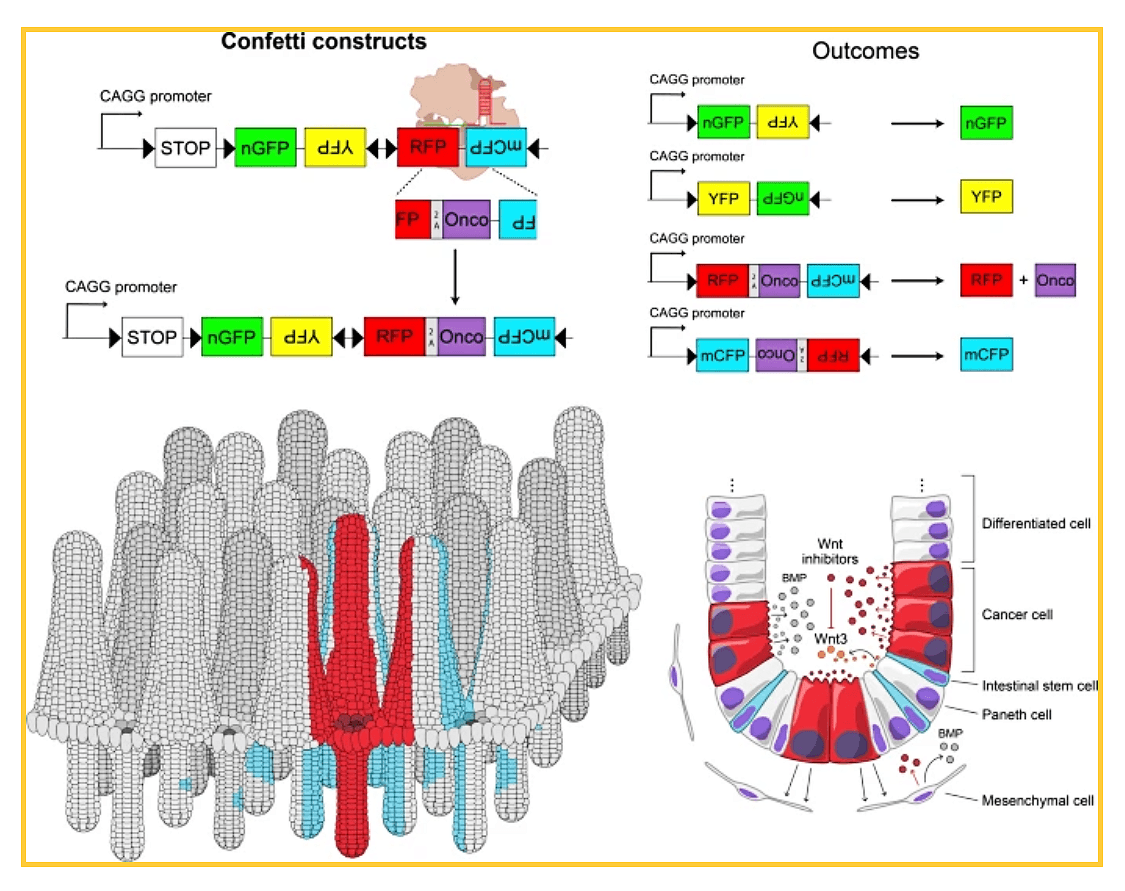
The policy response has been cautious, but not always fast enough to match the science. The U.S. National Academies’ 2020 report on heritable human genome editing and the World Health Organization’s 2021 recommendations both called for strong governance and oversight. The National Academies also said the line between treatment and enhancement may depend partly on intent, not just on the tool itself. WHO urged that human genome editing be governed as a public-health matter, with attention to equitable access.
Regulators in the United States have also begun to sharpen their approach. On January 29, 2024, the Food and Drug Administration issued final guidance for human gene therapy products incorporating genome editing, part of an effort to set safety expectations for a fast-moving field. But heritable embryo editing remains a separate and far more contentious question, and the gap between scientific capability and public rules is still wide.
This article was produced by Prism’s automated news system from verified source data, official records, and press releases, then run through automated quality and moderation checks before publishing. The system is built and supervised by the people who set the standards it runs under. Read our full AI policy.
Did this article answer your question?