Bassetlaw council sparks row over licensing for cake sheds
Council letters warned cake-shed owners of fines up to £1,000, sparking a backlash and a licensing pause across Bassetlaw.
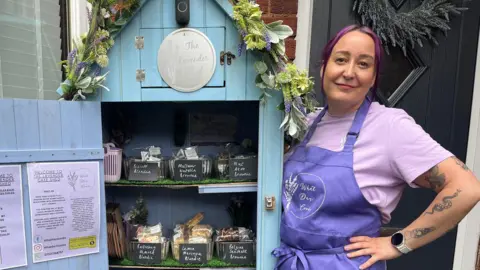
A row over Bassetlaw’s cake sheds has exposed a sharp policy fault line for Britain’s home-based economy: when a cheerful sideline outside the front gate becomes a street-trading business in the eyes of the council.
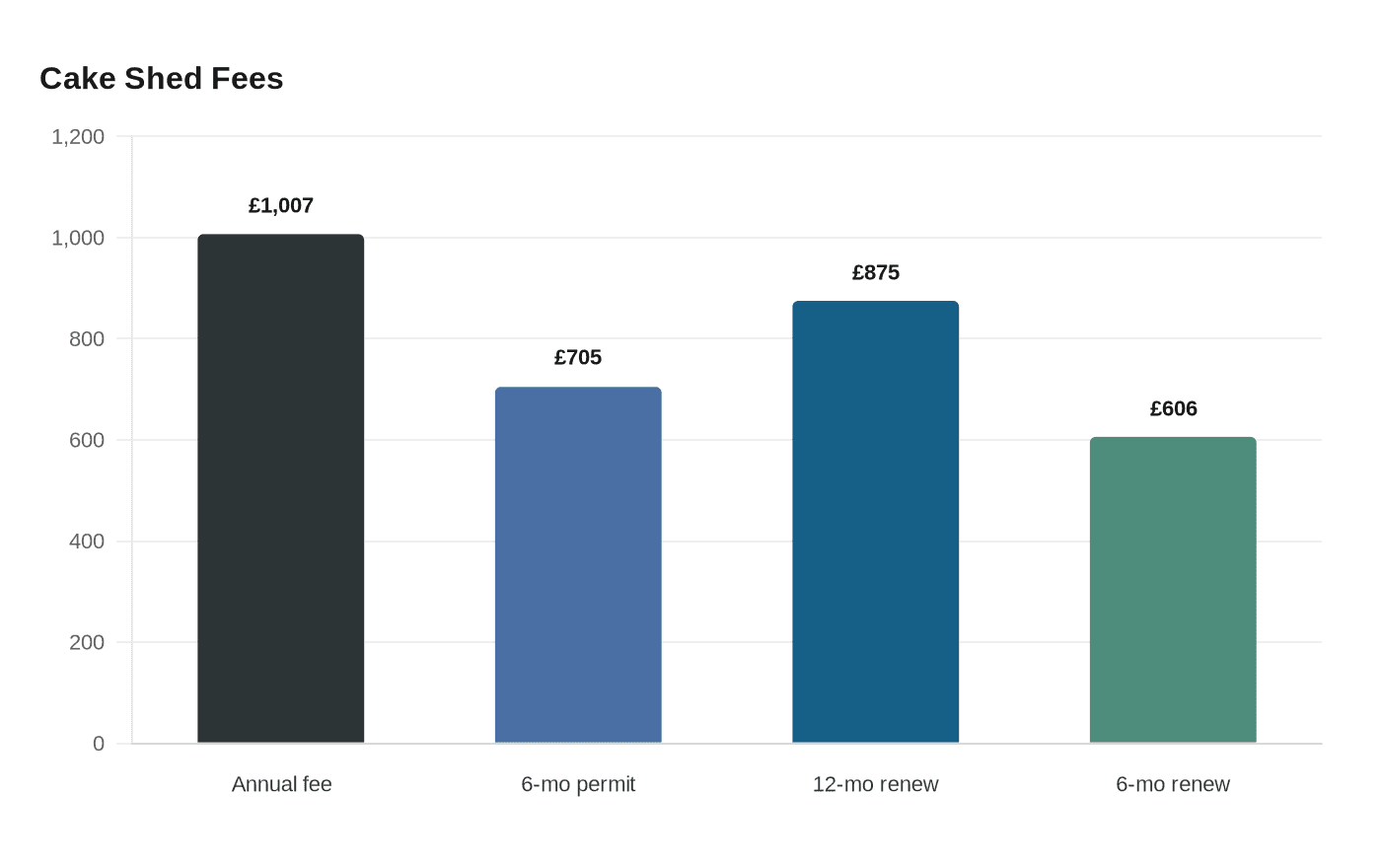
In Bassetlaw, Nottinghamshire, traders in Retford, Rhodesia and Worksop said they were surprised to receive letters warning that, without a licence, they could face enforcement action and fines of up to £1,000. The council’s annual Street Trading Consent fee is £1,007, with six-month permits listed at £705 and renewals at £875 for 12 months or £606 for six months.

The sheds and cupboards, often little wooden kiosks outside homes, usually work on an honesty-box or QR-code payment system and have become a familiar feature in local streets. Natalie Brooks, 37, who opened her Rhodesia Bake Box only a month before the dispute escalated, said the notice arrived with “no warning” and wiped out a bank holiday weekend’s trading. Heather Price, who runs Retford Bake Shed, said the cost was unrealistic for a small sideline and warned that licensing could trigger further expenses, including planning permission.
For Brooks, the numbers are stark. She said her shed brings in about £100 a week in profit, or roughly £5,200 a year, meaning a £1,007 annual licence would take away around a fifth of her earnings. In a council report, officers said the smallest cake shed it identified made £17,280 a year, while the largest brought in £90,000 a year and also sold pre-packaged items such as custard pots, drinks and crisps.
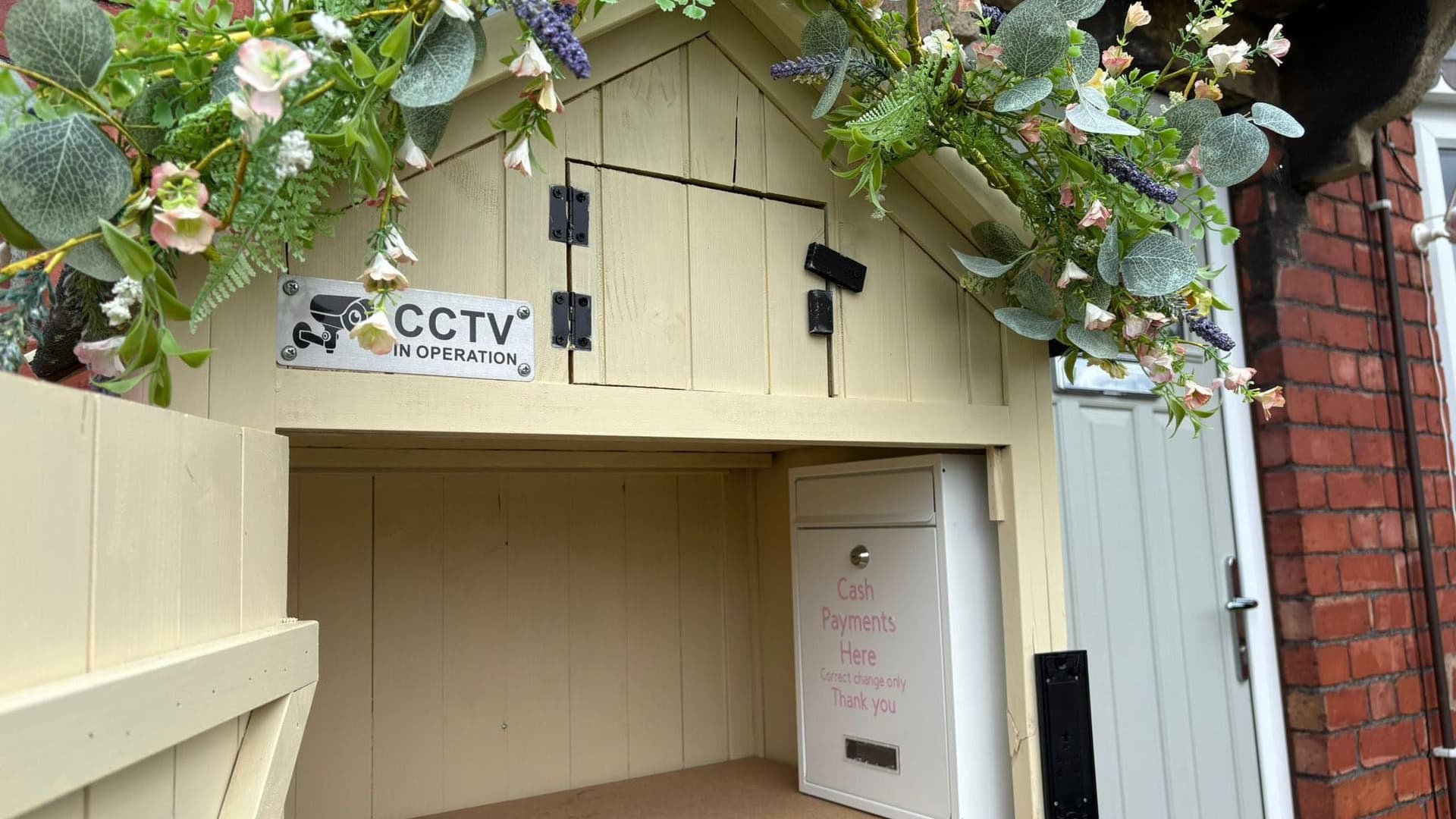
Council officers argued that cake sheds operate in a similar way to burger vans and market stalls and should not be exempt from street-trading controls. They said an exemption could allow traders to sidestep rules on proximity to schools, planning restrictions and checks on the right to work. That argument has collided with the practical reality of micro-enterprises that say they already rely on home-kitchen food hygiene systems and insurance, while any extra requirements, including high-cover insurance, commercial waste collection and possible DBS checks, could make the businesses uneconomic.
The backlash prompted Bassetlaw District Council to pause enforcement specifically for cake sheds and cupboards while its licensing committee reviews the policy. Councillor June Evans, the cabinet member for governance, said the council had seen the reaction and recognised the community benefit these businesses can bring in some areas. The committee now faces a wider question than cake alone: how far councils can stretch old trading rules to cover the tiny businesses reshaping local high streets, driveways and front gardens.
This article was produced by Prism’s automated news system from verified source data, official records, and press releases, then run through automated quality and moderation checks before publishing. The system is built and supervised by the people who set the standards it runs under. Read our full AI policy.
Know something we missed? Have a correction or additional information?
Submit a Tip

