Treasury weighs using Iranian assets to pay Gulf allies’ repair costs
Treasury is exploring whether Iranian assets can be redirected to help Gulf states pay for damage from Tehran’s attacks, testing sanctions authority and sovereign-asset precedent.

The Treasury Department is weighing whether Iranian assets can be redirected to help Saudi Arabia, the United Arab Emirates, Kuwait, Bahrain, Qatar and Oman pay for damage from Tehran’s missile and drone strikes, a move that would turn frozen holdings into a repair fund and test how far Washington can stretch sanctions authority.
A source familiar with Scott Bessent’s thinking said the Treasury intends to use all available authorities to make Iranian assets accessible for rebuilding and repair efforts tied to any future damage inflicted by Iran. Bessent has also directed Treasury staff to collect detailed estimates from Gulf allies on the cost of repairing damage caused since the conflict began, and the department is now assessing whether Iranian assets could also help finance repairs for losses already sustained during the war.
It remains unclear which assets could be tapped. The pool could include frozen cash in bank accounts or harder-to-value holdings such as oil tankers. The question is not just financial. It goes to the legal basis for converting sovereign assets into compensation for third-party damage, and whether Washington would treat the move as a one-off wartime recovery measure or a broader expansion of economic statecraft.
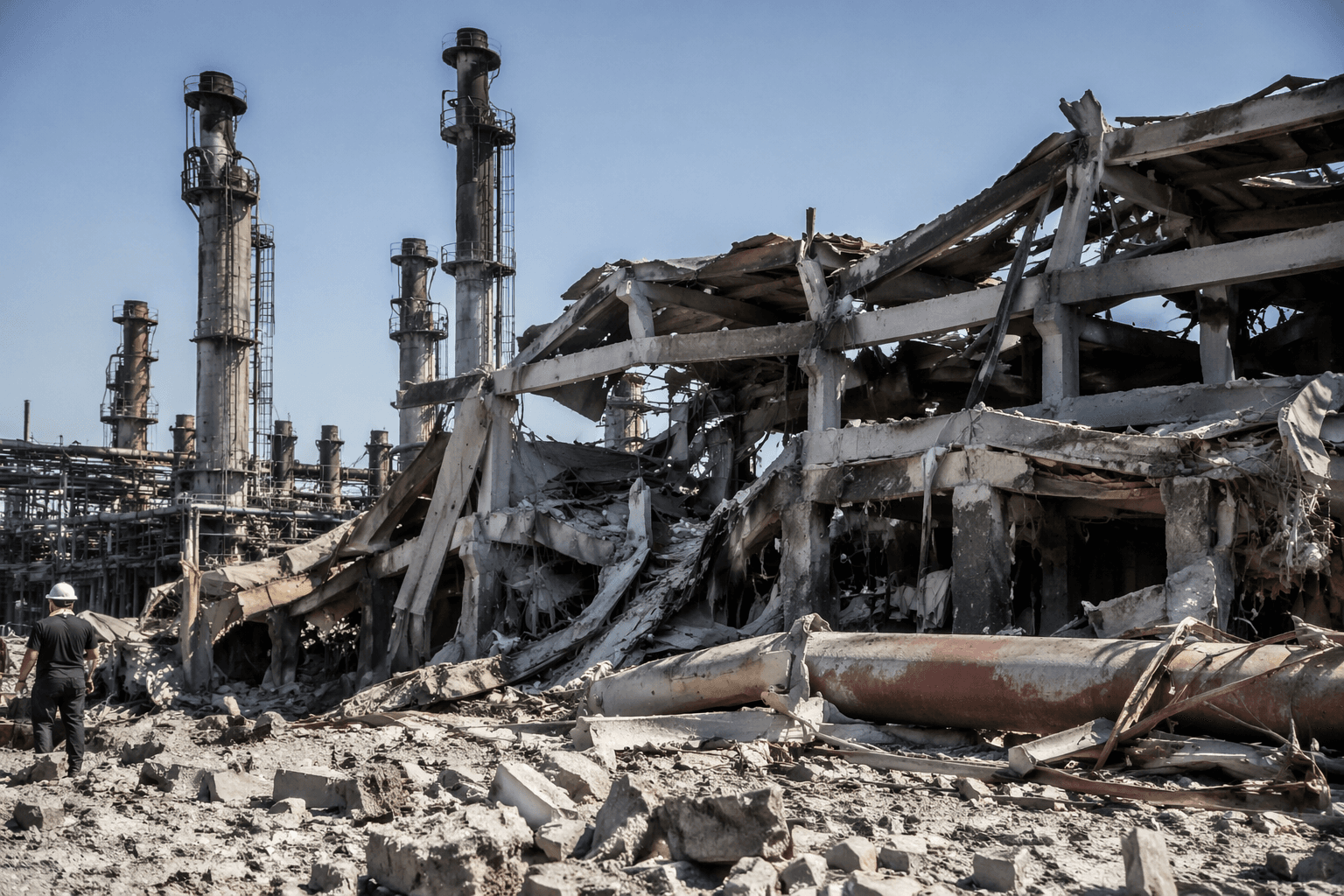
Since late February, Iran has launched intermittent missile and drone strikes across the Gulf, hitting all six Gulf states. The Trump administration has paired that regional pressure with a sharper sanctions campaign, recently intensifying measures on Iranian oil smuggling, shadow banking, maritime extortion and digital-asset networks under its Economic Fury effort. Treasury has said Iranian shadow banking networks move tens of billions of dollars in trade each year, much of it tied to oil and petrochemical sales.
The diplomatic backdrop is just as sensitive. As the United States and Iran have been engaged in indirect peace talks, Tehran has insisted that any deal would require sanctions relief and the release of billions of dollars in frozen assets abroad. Reuters reported that Bessent said in April that some Gulf allies initially sought emergency currency swap lines from Treasury to steady local markets after severe energy shocks and commercial disruption. Reuters also reported that Iranian adviser Mohsen Rezaei said a peace deal hinged on the release of $24 billion in frozen Iranian assets.
Treasury officials have also discussed Iran’s attacks with Qatar’s finance minister and cast the regime’s latest effort to squeeze global maritime trade as proof of financial desperation. That makes the asset question larger than reconstruction alone: if Washington moves ahead, it could establish a new precedent for using blocked sovereign wealth not just to punish adversaries, but to compensate allies caught in the crossfire.
This article was produced by Prism’s automated news system from verified source data, official records, and press releases, then run through automated quality and moderation checks before publishing. The system is built and supervised by the people who set the standards it runs under. Read our full AI policy.
Know something we missed? Have a correction or additional information?
Submit a Tip