Bauhaus becomes flashpoint in Germany's escalating culture war
Bauhaus, once a symbol of modern German design, is now a culture-war target as the AfD polls around 41% in Saxony-Anhalt ahead of a September vote.
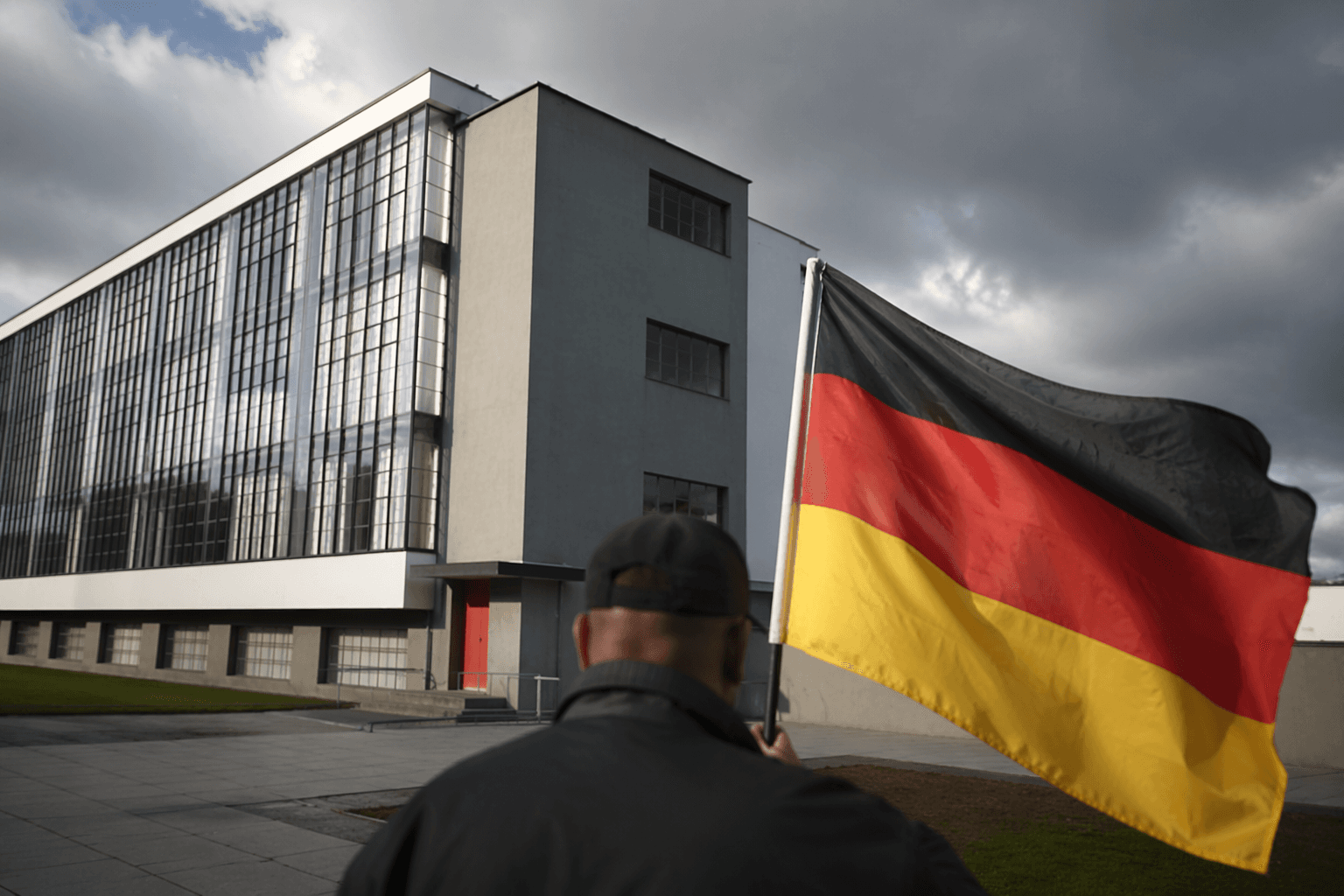
Bauhaus, the modernist school that helped define 20th-century design, has become an unlikely campaign weapon in Saxony-Anhalt as the AfD turns heritage into a test of national identity. With the state election set for September 6, 2026, and the party polling at about 41 percent, the fight over a world-famous cultural institution now sits inside a much larger struggle over who gets to define German culture.
The contest reaches far beyond architecture. The AfD has promoted a patriotic cultural policy and singled out Bauhaus as a symbol it wants to recast, portraying the movement as alien, rootless and tied to globalization rather than German pride. Hans-Thomas Tillschneider, the party’s cultural policy spokesman in the Saxony-Anhalt Landtag and a state lawmaker since 2016, has framed Bauhaus in sharply political terms, linking it to deracination and architectural dislocation. That language turns a design school into an emblem of cultural grievance, exactly the kind of framing the far right has used to broaden its appeal beyond immigration and economics.
The stakes are especially high in Dessau, where Bauhaus moved in 1925 and where Walter Gropius designed the Bauhaus building, constructed between 1925 and 1926. UNESCO says the Bauhaus movement revolutionized architectural and aesthetic thinking between 1919 and 1933, and the sites in Weimar, Dessau and Bernau were added to the World Heritage List in 1996. The Bauhaus Dessau Foundation, founded in 1994, describes the Dessau years from 1925 to 1932 as the school’s most successful period, a legacy it has spent decades preserving and presenting.
That legacy is now caught in an election-season argument about ownership of national culture. The foundation and the city launched a centenary program in September 2025 that runs through 2026, with exhibitions, conferences and festivals under the banner of Bauhaus Dessau 100. Instead of a simple celebration of modernism, the anniversary has become another arena for political conflict, echoing earlier warnings that far-right attacks were already shadowing the centenary in Dessau.
Barbara Steiner, director of the Bauhaus Dessau Foundation, has become one of the institution’s most visible figures as the dispute intensifies. The scene underlines how a site that is both a museum and a research center has been pulled into a broader fight over memory, symbolism and regional power.
For the AfD, cultural conflict offers a path to governing credibility in eastern Germany. For Bauhaus supporters, the episode is a reminder that even the country’s most celebrated heritage sites can be turned into proxies in a harder battle over identity, legitimacy and who counts as authentically German.
This article was produced by Prism’s automated news system from verified source data, official records, and press releases, then run through automated quality and moderation checks before publishing. The system is built and supervised by the people who set the standards it runs under. Read our full AI policy.
Did this article answer your question?