Bay Area receives Super Bowl LX handoff amid public health planning
Bay Area officials accepted a ceremonial Super Bowl LX handoff Jan. 16, triggering regionwide planning for events, safety, and health services ahead of the Feb. 8 game.
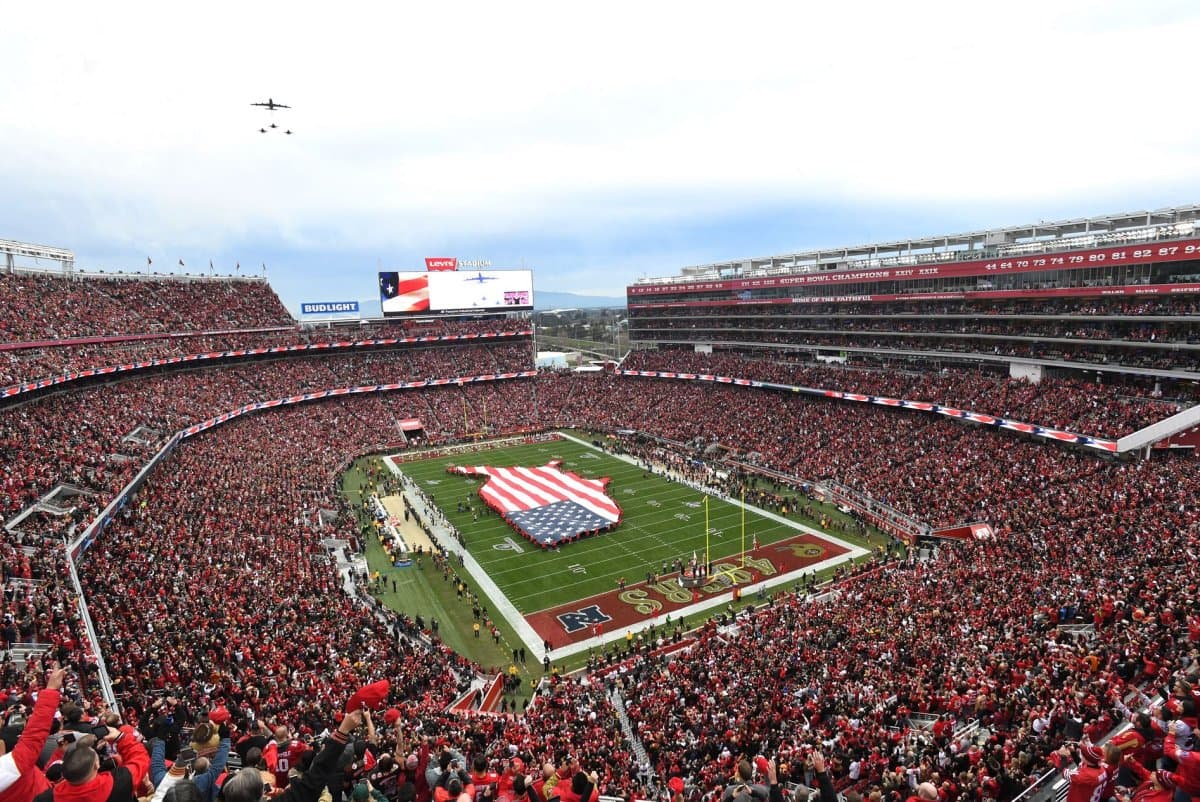
A ceremonial handoff to Bay Area hosts took place Jan. 16, formally recognizing the region as host for Super Bowl LX on Feb. 8 at Levi’s Stadium. The event brought together Host Committee leaders and civic officials to announce a slate of large-scale activities across San Francisco and the broader Bay Area, and to kick off preparations for fan-facing programming and hospitality.
Organizers highlighted plans to illuminate public landmarks and stage community events throughout Super Bowl week. They also framed the forthcoming influx of visitors and media as an economic opportunity, drawing comparisons to the Bay Area’s experience with Super Bowl 50. City leaders signaled expectations for a busy week of concerts, public gatherings, fan zones and hospitality programs that will extend beyond the stadium into San Francisco’s neighborhoods.
For residents, those plans carry public health and equity implications. Large gatherings can strain emergency services, create crowding on transit, and increase demand at emergency departments and urgent care clinics. In a dense urban environment like San Francisco, timely ambulance access, surge staffing at hospitals, and the capacity of community clinics will be critical to maintaining routine care for residents while responding to event-related injuries and illnesses.
Public health officials and community health providers will need to balance mass gathering readiness with ongoing needs such as mental health services, substance use support and care for people experiencing homelessness. The city’s homeless population and those relying on free clinics are particularly vulnerable to indirect harms from major events - service disruptions, displacement pressures and reduced access to regular care. Equitable planning includes preserving low-barrier services, deploying mobile health units where appropriate and ensuring communications in multiple languages for residents and visitors.

Transit and street closures planned for Super Bowl week will also affect access to care. Delays on BART, Muni and regional transit or narrowed streets could lengthen response times for ambulances and complicate routine appointments. Advocates say clear coordination between transit agencies, the Department of Public Health and hospital systems will be essential to prevent care bottlenecks.
Local hiring and community benefit agreements are part of the conversation around economic impact. How revenue and jobs flow to San Francisco neighborhoods - especially historically underserved communities - will determine whether the event strengthens or widens existing inequities. Health outcomes are linked to these economic determinants; planning that channels benefits into community health programs and workforce development can produce longer-term public health gains.
As preparation accelerates in the coming weeks, residents should expect rolling updates on street closures, transit adjustments and public safety measures. The handoff marks the start of intense logistical work; whether that work prioritizes health equity and preserves local services will shape how well the region protects its most vulnerable while hosting a global event.
Sources:
Know something we missed? Have a correction or additional information?
Submit a Tip