Bay Ridge artist Kaves turns neighborhood loss into Brooklyn tribute
After a family tragedy, Kaves stopped chasing escape and turned Bay Ridge into his canvas, building art, music, and memory around the neighborhood he once hoped to leave.
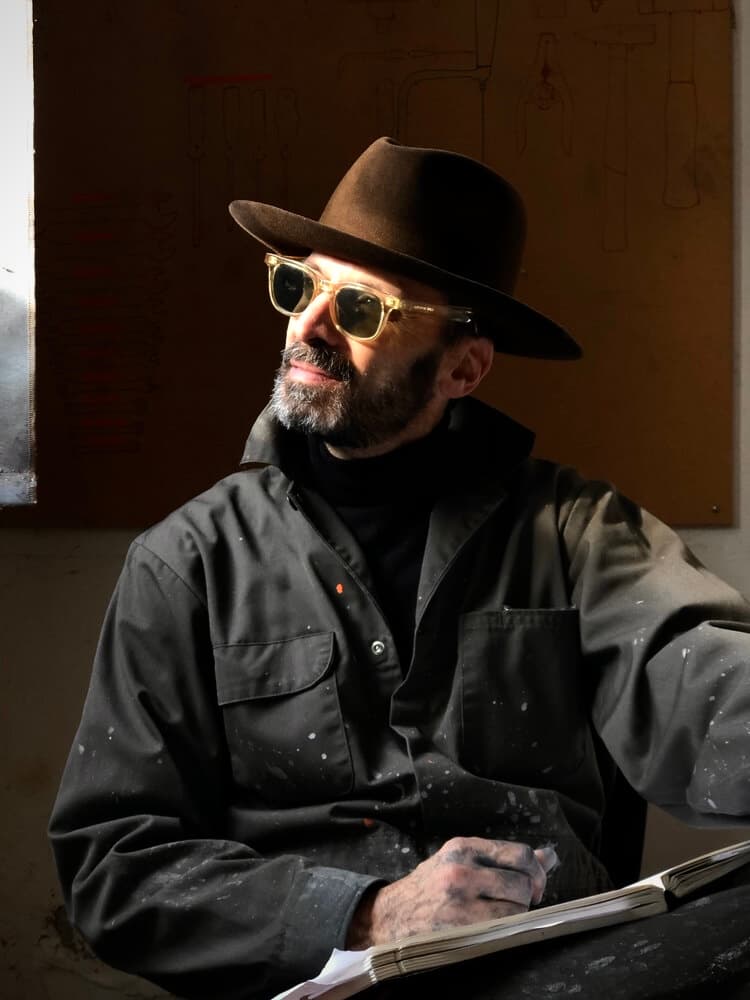
Michael McLeer grew up in Bay Ridge with one idea of success: become like John Travolta in Saturday Night Fever and get out. A family tragedy changed that ambition into something more rooted. Today, the artist known as Kaves has spent decades turning the neighborhood into both subject and stage, using graffiti, hip-hop, murals, and public tribute to keep Brooklyn’s stories visible.
A Bay Ridge childhood that pointed outward, then back home
McLeer first picked up a spray can at about age 10 or 11 and began tagging MTA trains around 1980. That early start placed him inside the city’s graffiti era, but his imagination was already pulled by another Brooklyn image: the swagger and distance of Saturday Night Fever. The 1977 film was shot largely on location in Bay Ridge and Bensonhurst, and the bench scene below the Verrazzano-Narrows Bridge became one of the borough’s most durable landmarks, even after the original bench was replaced in the 1980s.
For a kid who saw the film as a map out, the neighborhood looked like a place to leave. Instead, Bay Ridge became the place he returned to again and again in his work. That reversal sits at the center of his career, which has treated local streets not as backdrop but as cultural evidence.
Loss changed the meaning of home
The turning point came in 1994, when McLeer’s mother, Donna Blanchard, and his sister, Michele, who was 4, were killed in a hit-and-run accident at Fort Hamilton Parkway and 92nd Street. The violence of that loss reshaped not only his personal life but also the way he understood ambition. McLeer and his brother, Adam McLeer, later formed Lordz of Brooklyn as a way to cope with the grief, channeling it into music and identity rather than distance.
Lordz of Brooklyn released its debut album, All in the Family, in 1995. The title captured more than a band name. It marked an attempt to translate private loss into a shared creative language, one that drew strength from place instead of abandoning it. That choice still defines McLeer’s public work, where Brooklyn is not nostalgia so much as a living archive.
Graffiti, rap, and the politics of staying
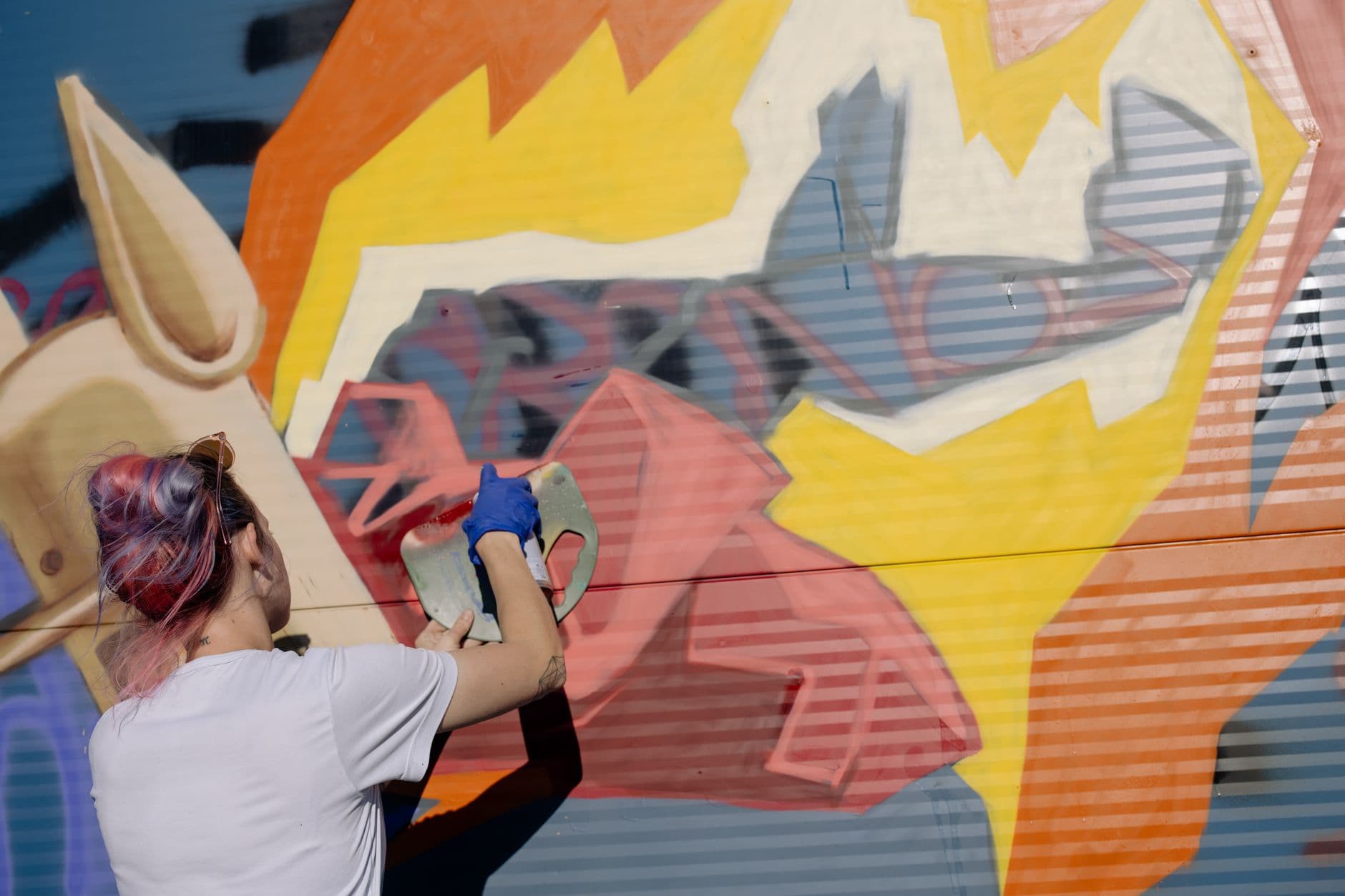
McLeer’s path from tagging trains to fronting a rap group shows how street culture became a framework for civic memory. As Kaves, he moved through graffiti and hip-hop not just as art forms, but as ways to claim presence in neighborhoods that often get flattened in the city’s bigger stories. His work insists that Bay Ridge, Bensonhurst, and the surrounding waterfront carry their own history, one worth documenting on walls, in songs, and in public space.
That instinct also led him into conflict with the institutions that police what art can remain visible. In 2021, McLeer filed a class-action lawsuit against the NYPD and the City of New York over the removal of his mural Death from Above. He said the mural had been painted with the property owner’s permission, making the dispute about more than one image. It became a test of who gets to decide which neighborhood art counts as public expression and which gets erased.
Brooklyn as a living exhibit
In 2024, McLeer opened Brooklyn Pop at Industry City, an immersive exhibit that he described as a long-planned celebration of Brooklyn’s influence on film, music, art, and sports. The show took five years to come together and was framed by McLeer as a reflection of his family’s Brooklyn dream, interwoven with the films, music, and art that shaped him and many others.
The exhibit also made room for private memory. A portion was dedicated to Donna Blanchard and Michele McLeer, linking family grief to the larger cultural story McLeer has spent years telling through his work. That choice matters because it treats remembrance as a public function, not a private footnote. In McLeer’s hands, the exhibit became a map of how a neighborhood can hold both celebrity mythology and ordinary loss.
A mural on 86th Street and a plaque by the famous bench
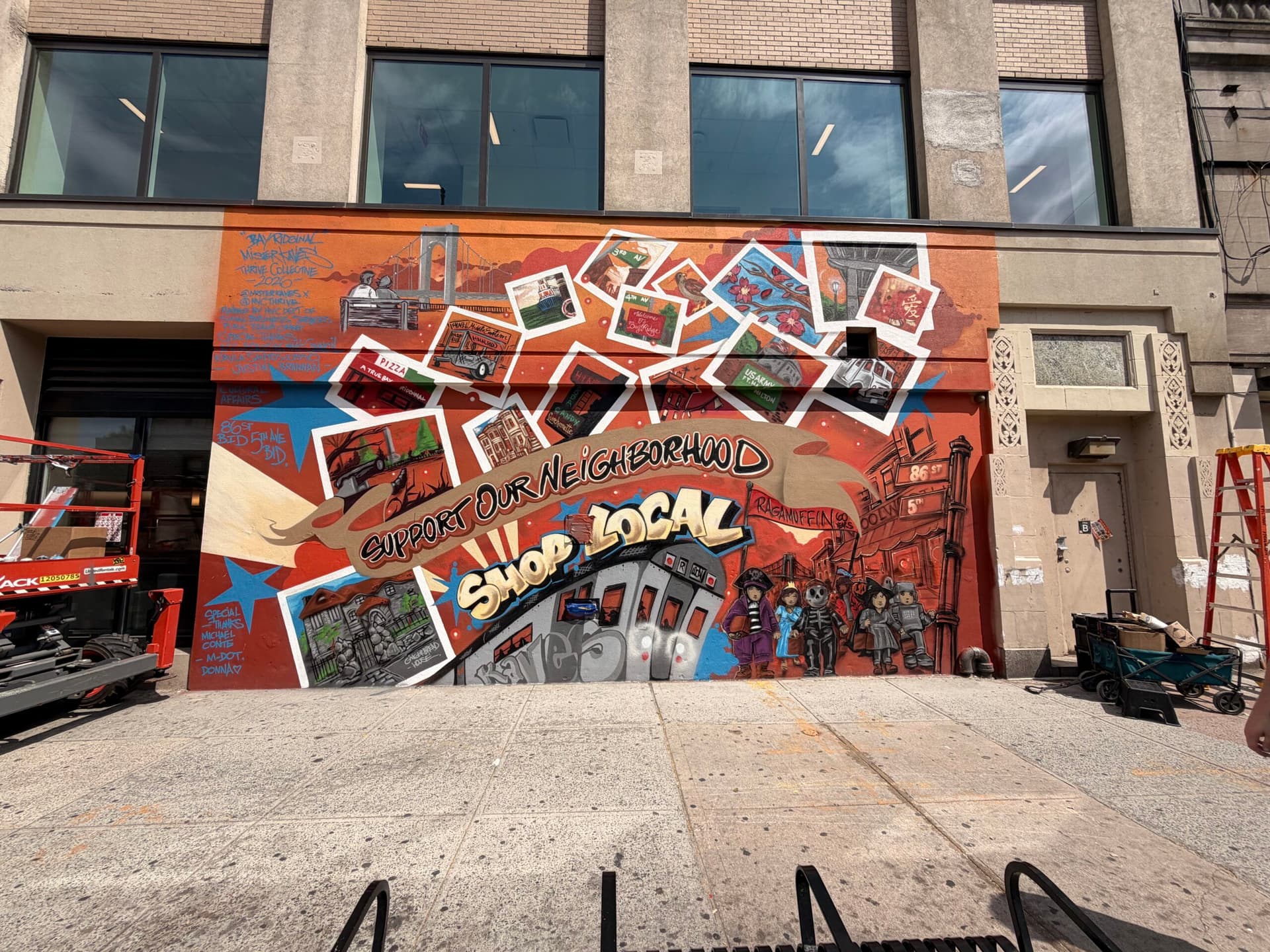
McLeer’s 2024 Bay Ridge mural on 86th Street extended that same logic to the street itself, paying homage to local icons and reinforcing the idea that neighborhood pride can be built from specific faces, places, and stories. Rather than presenting Brooklyn as an abstract brand, the mural anchored it in familiar names and blocks.
He carried that impulse to one of Bay Ridge’s most recognizable sites in July 2025, when he dedicated a bench plaque at the Bay Ridge Promenade honoring John Travolta, Karen Lynn Gorney, and “all the Brooklyn dreamers.” The plaque tied his own biography back to the Saturday Night Fever filming site beneath the Verrazzano-Narrows Bridge, where fans still stop decades later. The gesture connected a global pop-culture landmark to the local story that produced it.
Why McLeer’s story keeps landing in Brooklyn
McLeer’s career shows what happens when an artist decides the neighborhood is not a place to escape but a place to invest in. His work moves between graffiti, rap, murals, legal action, and installation, but the through line is consistent: preserve the stories that make a block legible to the people who live there. In Bay Ridge, that means treating a bench, a mural, a promenade plaque, and a family tragedy as part of the same civic record.
That is why Kaves still matters as a Brooklyn figure. He did not simply return to his roots. He turned them into a public practice, making art that keeps faith with the streets, the losses, and the dreamers who never left.
This article was produced by Prism’s automated news system from verified source data, official records, and press releases, then run through automated quality and moderation checks before publishing. The system is built and supervised by the people who set the standards it runs under. Read our full AI policy.
Did this article answer your question?