BBC Exposes Iraqi Kurd Behind £15,000 Channel Smuggling Network
A 28-year-old Iraqi Kurd used the alias Kardo Ranya while charging migrants about €17,000 each to reach Britain through a route that still carried 41,000 people in 2025.
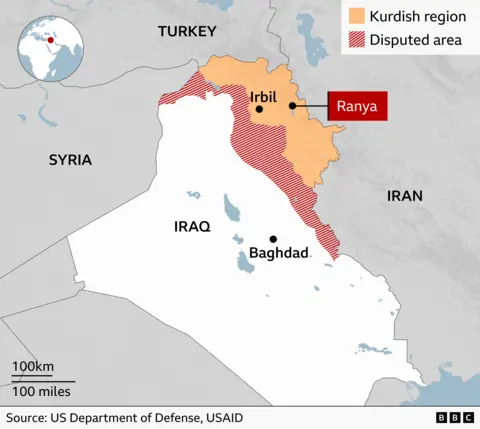
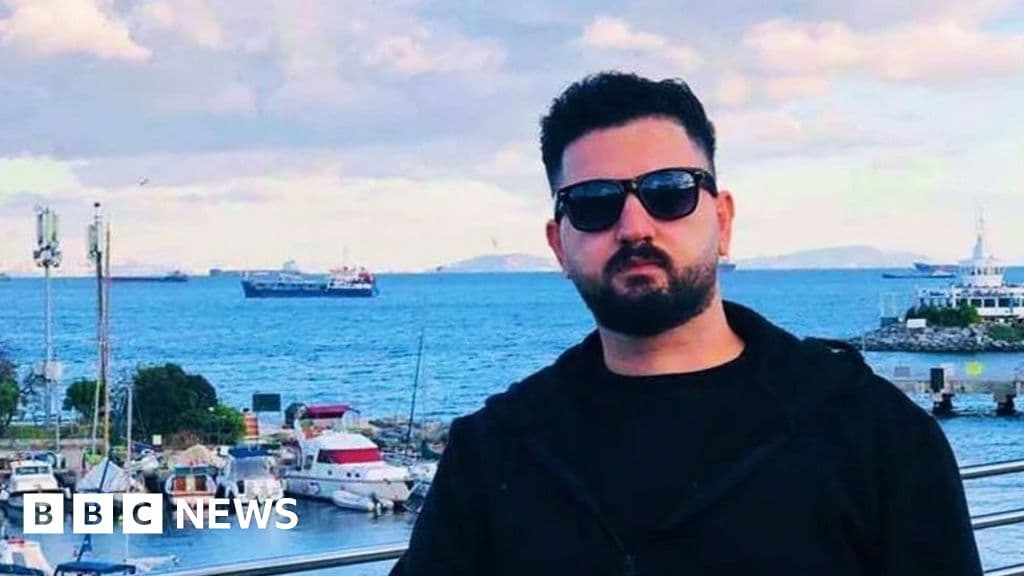
A 28-year-old Iraqi Kurd known as Kardo Ranya evaded arrest by hiding behind an alias while running a Channel-smuggling network that charged about €17,000, or £15,000, to move one migrant from Iraq to the United Kingdom. The price tag shows how the business works: a high-fee, cross-border service built to turn desperation into revenue, with the English Channel crossing as the final leg of a much longer journey.
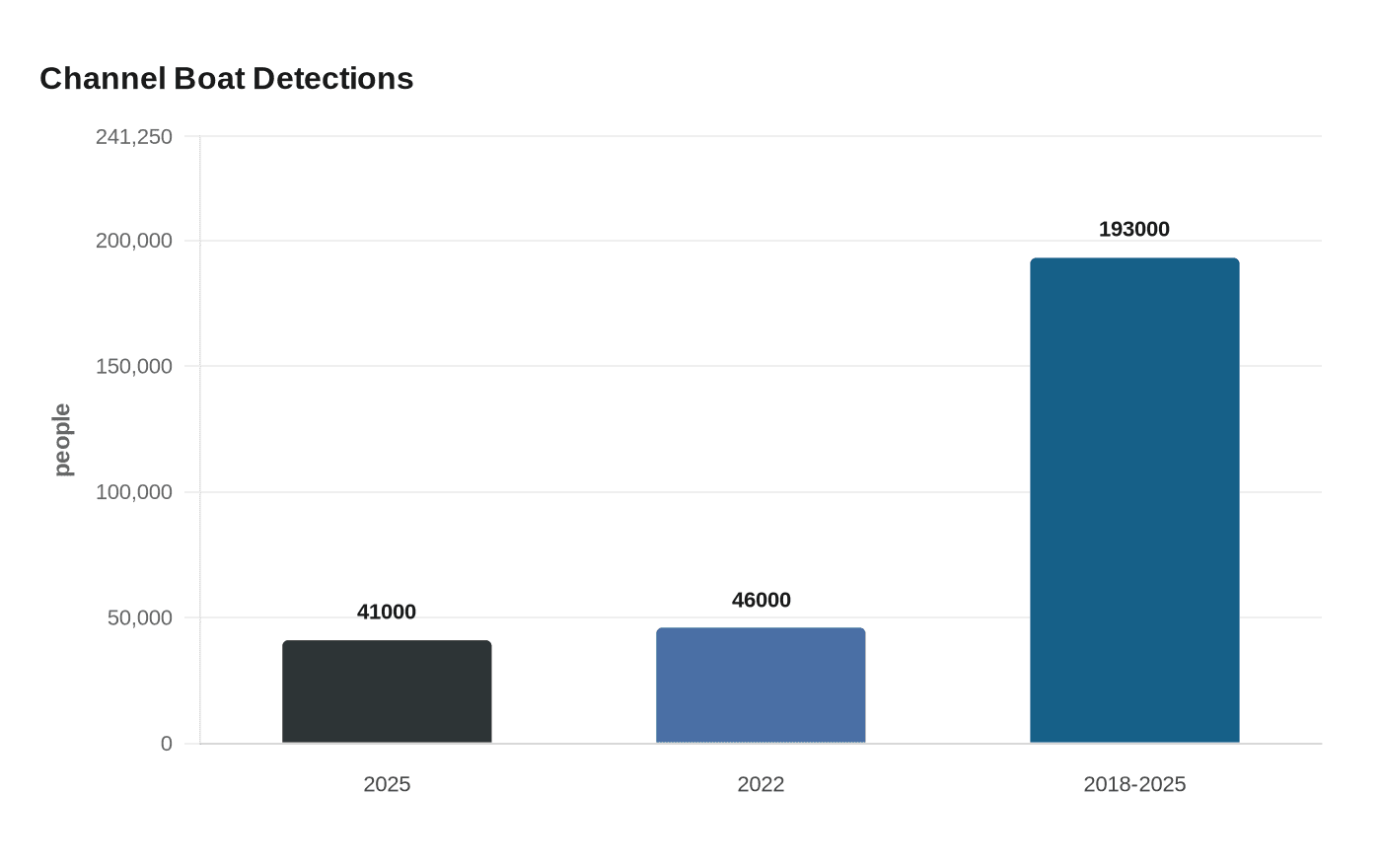
That route remained central to Britain’s irregular migration system. Around 41,000 people were detected crossing the Channel in small boats in 2025, accounting for about 89% of all people detected arriving in the UK without authorisation that year. The scale was lower than the 2022 peak of about 46,000, but the traffic still represented a huge and persistent flow. Between 2018 and 2025, an estimated 193,000 people were detected using the route, a sign that repeated crackdowns have not broken the underlying model.
The nationalities most closely tied to those crossings help explain why the trade has endured. Between 2018 and 2025, citizens of Iran, Afghanistan, Iraq, Albania, Syria and Eritrea made up 65% of small-boat crossers. Smuggling networks have adapted by using aliases, moving people through multiple countries, and relying on brokers and logistical cells that can keep the operation running even when one figure is exposed. That flexibility has made enforcement harder than the politics suggests.
The cross-Channel trade has also drawn a wider international response. On 23 July 2025, the UK imposed its first sanctions targeting irregular migration and people-smuggling, hitting 25 people and entities linked to those networks. Europol has described the trade as highly organised and international, and said a cross-border operation led to 39 arrests across France, Germany, the Netherlands and the UK, while also uncovering Iraqi-Kurdish involvement, hawala-based finance and logistics hubs tied to the route. Officers seized more than 1,200 lifejackets, about 150 rubber boats and nearly 50 engines.
Even so, the network’s resilience has been stark. Europol said the group had been active since at least October 2020, and a French court later sentenced 18 people, mainly Iraqi Kurds, to prison terms of up to 15 years in a major smuggling case. The arrests, seizures and sanctions have not stopped small boats from leaving French beaches, because the trade is not built around one man alone. It is built around price, replacement, and a chain of people who can keep moving migrants after each raid, arrest or headline.
This article was produced by Prism’s automated news system from verified source data, official records, and press releases, then run through automated quality and moderation checks before publishing. The system is built and supervised by the people who set the standards it runs under. Read our full AI policy.
Did this article answer your question?


