Philippine priest abuse survivor becomes lawyer for fellow victims
After accusing a priest in 2003, Michal Gatchalian became a lawyer for survivors, in a country where church abuse cases still rarely end in criminal conviction.
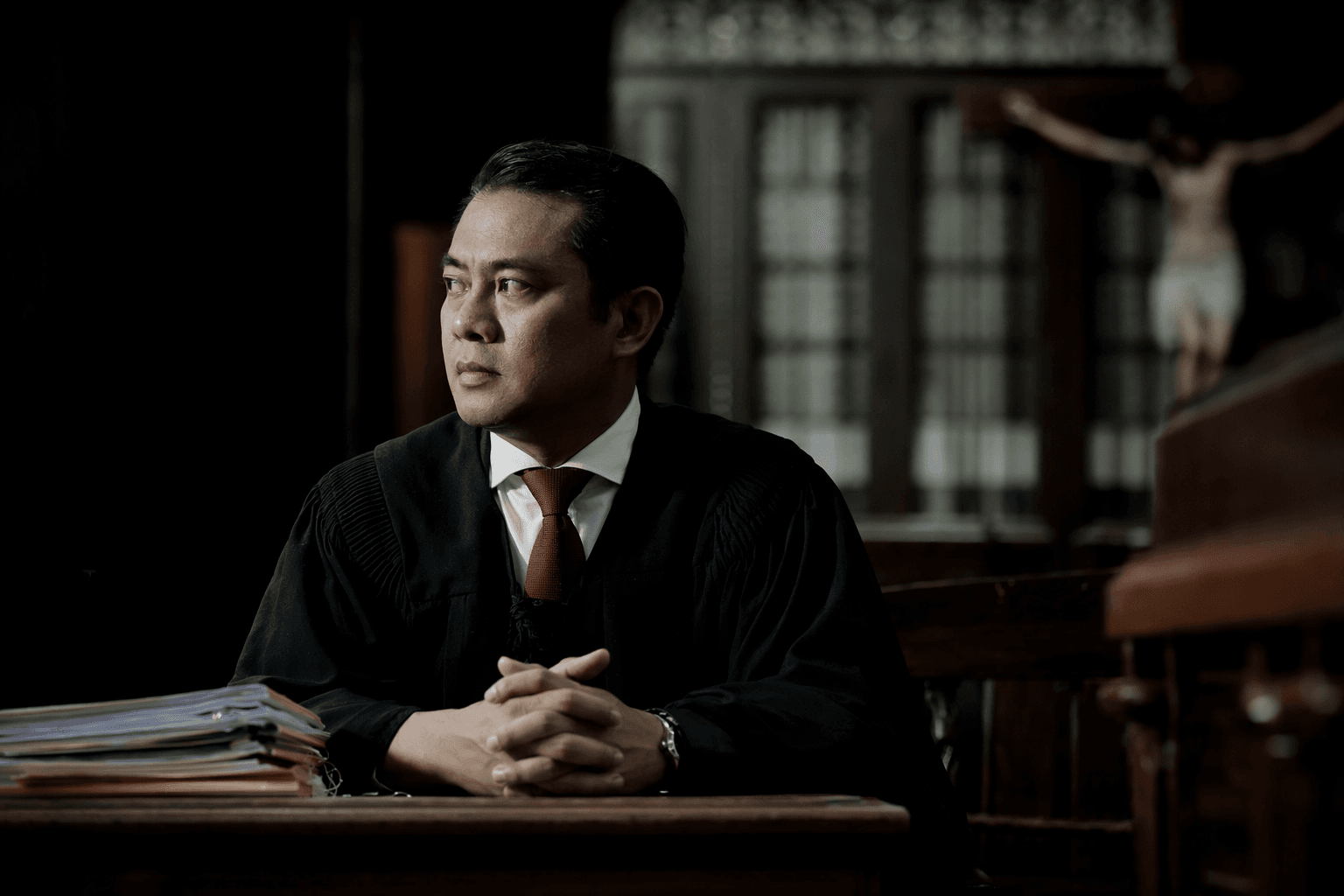
Michal Gatchalian turned a confrontation with clerical abuse into a legal path for others. In Cebu City, he and another former altar boy, Jun Ryan Duhaylungsod, filed a complaint for acts of lasciviousness on January 16, 2003, accusing Rev. Fr. Apolinario "Jing" Mejorada of abuses they said were committed in the late 1990s, when both were minors.
The case moved outside church walls only after the archdiocese’s investigative team said Mejorada appeared guilty but did not recommend sanctions, leaving action to the Augustinian order. Gatchalian said he went to court because he saw no justice from church leadership: "Seeing no justice from within the church leadership, I have decided to seek justice from the regular courts."

Years later, Gatchalian said he had been molested by a "serial predator" priest at age 17. He said reporting the abuse in 2002 brought threats, ostracism and harassment, the familiar social penalty in a country where priests are deeply trusted and victims are often urged to forgive, settle or withdraw complaints. By 2025, Gatchalian was describing himself as a lawyer advocating for survivors and helping build support systems for abuse victims, a rare transition from accuser to legal ally.
His story lands in a Philippines that is overwhelmingly Catholic, with more than 114 million people and about 80% identifying as Roman Catholic. That religious weight has made accusations against priests especially hard to surface, and the record remains bleak. BishopAccountability.org said at least 82 priests and religious brothers associated with the Philippines had publicly been accused of sexually abusing minors, and at least seven were still serving in parishes as of January 2025. Reporting that year also said no priest had been criminally convicted of sexual abuse of children and vulnerable adults in the country.
Church officials have responded more openly, but only after years of damage. In January 2025, the Catholic Bishops’ Conference of the Philippines urged the faithful to report abusive clergy and said bishops were committed to making church institutions safe spaces. The Archdiocese of Cebu separately acknowledged abuse committed by priests against minors and said it was committed to supporting survivors and their families. Cebu Archbishop Jose Palma said three accused priests remained incardinated and had been reintegrated into active ministry.
Pope Francis has repeatedly pressed the church to strengthen safeguarding, and in 2024 told the Pontifical Commission for the Protection of Minors that prevention efforts must not wane and that every diocese and religious institution should have clear, publicly accessible rules. Gatchalian’s journey shows how much of the burden still falls on survivors first to expose abuse, then to force the system to respond.
This article was produced by Prism’s automated news system from verified source data, official records, and press releases, then run through automated quality and moderation checks before publishing. The system is built and supervised by the people who set the standards it runs under. Read our full AI policy.
Did this article answer your question?


