BBC exposes smuggling network using British firms for migrant payments
Secret filming showed migrants being steered to UK-registered firms for Channel crossing payments, with one south-east London shop handling nearly £3,000.
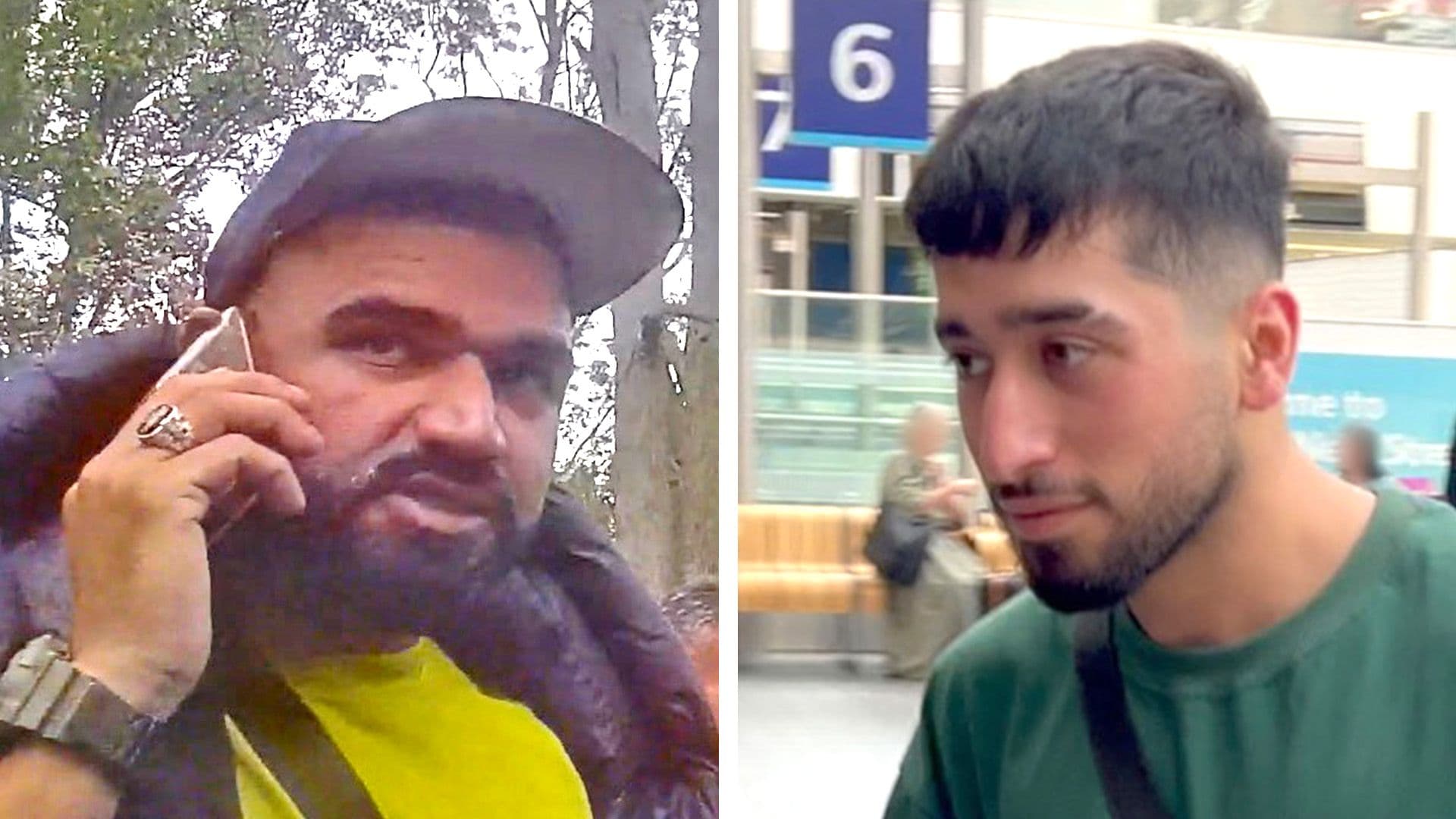
UK-registered businesses have become part of the machinery of illegal Channel crossings, exposing a weakness inside Britain’s own corporate system. Secret filming showed smugglers directing migrants to pay through a network of British firms, and reporters captured staff at a shop in south-east London saying nearly £3,000 was being handled through the business. The finding matters because it suggests the smuggling economy is not limited to beaches and boats. It is also moving through ordinary payment channels, using the appearance of legitimate commerce to conceal criminal transactions.
The scale of the route remains stubbornly high. The Home Office has tracked small-boat arrivals since 2018, when 299 people were detected crossing. By 2022, that figure had surged to about 46,000, and around 41,000 people arrived by small boat in 2025. The House of Commons Library says almost all people who arrive this way go on to claim asylum, and that about 89% of all people detected arriving without authorisation in 2025 came on small boats. The average number of people per boat rose sharply too, from 7 in 2018 to 62 in 2025, underlining how the route has become more efficient for smugglers and more politically toxic for ministers.

Official figures show the pressure is still active. The Home Office’s weekly summary, updated on 17 May 2026, recorded 358 migrants arriving in 6 boats and 168 migrants prevented in 13 events in the week ending 10 May. The department said those figures were provisional and could change. Its own definitions also leave out some larger-vessel arrivals and clandestine entries hidden in vehicles or on ferries, meaning the full migration picture is broader than the small-boat numbers alone.

That broader backdrop has intensified the government’s push to disrupt the crossings. In February 2026, the Home Office said France would increase law-enforcement, intelligence and military officers on beaches by 40% under a new deal, while French authorities had stopped more than 42,000 illegal migrants attempting to cross since the election. At the same time, research by the Universities of York, Liverpool, Sheffield and Nottingham found the UK had awarded more than £3.77 billion across 213 contracts since 2015 to private companies involved in border management, asylum processing and surveillance. Together, the figures show a border system that is costly, crowded and still porous enough for smugglers to exploit its weakest links.
This article was produced by Prism’s automated news system from verified source data, official records, and press releases, then run through automated quality and moderation checks before publishing. The system is built and supervised by the people who set the standards it runs under. Read our full AI policy.
Did this article answer your question?