Drone attacks hit Saudi Arabia and UAE amid Iran standoff
Drone attacks near Barakah and Saudi intercepts sharpen fears the Iran standoff is widening, with Gulf defenses now under direct strain.

A drone strike near the Barakah Nuclear Power Plant in Abu Dhabi and Saudi Arabia’s interception of three drones over Iraqi airspace pushed the Iran standoff into a more dangerous phase, with Gulf energy infrastructure now closer to the center of the conflict. The UAE said the attack caused a fire in an electrical generator outside the inner perimeter of Barakah, but authorities reported no injuries and said radiological safety levels were unaffected.
The Barakah facility matters because it is the UAE’s only nuclear power plant and can supply about a quarter of the country’s electricity needs. Even without a radiation release, the attack signaled how quickly the conflict could spill beyond battlefield targets and into the infrastructure that keeps the Gulf’s energy system and civilian economy functioning. The UAE Foreign Ministry said the drone came from the western border direction and called it a “dangerous escalation” and an “unacceptable act of aggression,” while the defense ministry said two other drones were intercepted after being launched from the west.
Saudi Arabia said its defense ministry intercepted three drones coming from Iraqi airspace and said it “reserves the right to respond at the appropriate time and place.” In a separate statement, Riyadh condemned the attacks in the strongest terms, saying they violated the sovereignty of the UAE, Bahrain, Qatar, Kuwait and Jordan, and called on the international community to take firm measures against Iranian violations that threaten regional security and stability. The message from Riyadh and Abu Dhabi was not just about the immediate attacks, but about the risk of normalization, with Gulf states increasingly treating drone and missile fire as a regional problem rather than a bilateral one.
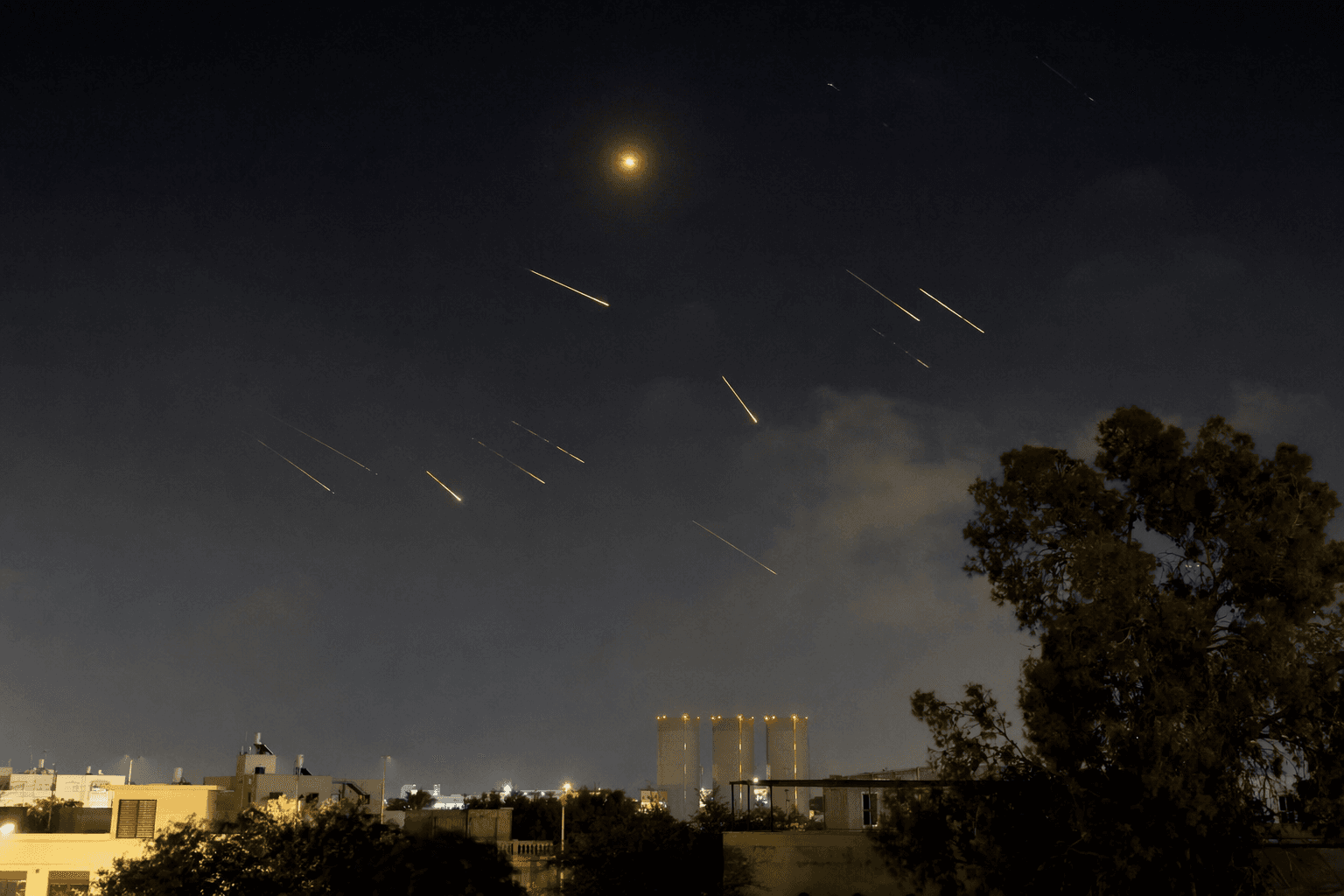
The fresh strikes landed after President Donald Trump announced “major combat operations” against Iran on Feb. 28, when U.S. and Israeli strikes hit military, government and infrastructure sites. Initial U.S.-Iran talks in Pakistan in April failed to produce a peace deal, and Trump later extended the ceasefire and U.S. blockade open-endedly until negotiations are concluded. On Sunday, he warned Iran that “the clock is ticking,” then added that Tehran “better get moving, FAST” and that there would be “nothing left” if it did not make a peace deal.
The broader risk now is escalation through miscalculation. Bahrain, Kuwait, Qatar, Jordan and the UAE had already confirmed intercepting missiles during earlier exchanges, the UAE briefly closed its airspace, and Qatar Airways suspended flights to and from Doha. A direct hit on a nuclear site, a strike that caused casualties, or retaliation that draws in additional Gulf states would mark a clearer widening of the war. For now, the attacks have shown that the ceasefire is fragile and that the conflict is already reaching the infrastructure, airspace and alliances that could pull more players into it.
This article was produced by Prism’s automated news system from verified source data, official records, and press releases, then run through automated quality and moderation checks before publishing. The system is built and supervised by the people who set the standards it runs under. Read our full AI policy.
Did this article answer your question?


