Syria pitches itself as a key energy corridor amid Gulf-Europe disruptions
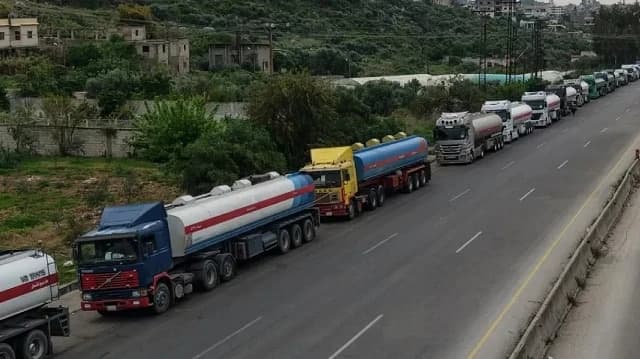
War-driven disruption around Hormuz pushed Iraq to reopen a Syrian overland oil route, with the first convoy carrying 70 tanker trucks through Rabia-al-Yarubiyah.
Syria is trying to turn war’s detours into leverage. As disruption in the Strait of Hormuz pushed shippers and governments to seek alternatives, interim president Ahmad al-Sharaa said in April 2026 that Syria was positioned to become a secure strategic corridor linking Central Asia and the Gulf with Europe, casting the country as a “safe corridor” and “alternative route” for energy supplies and supply chains.
That pitch has already moved beyond rhetoric. Iraq restarted overland crude exports through Syria in early April, and authorities said the first convoy to enter via the Rabia-al-Yarubiyah border crossing on May 1 included 70 tanker trucks. Other plans point to a route capable of carrying about 50,000 barrels per day of Basra medium crude to the Mediterranean, with volumes expected to rise, while about 650,000 metric tonnes of fuel oil a month were also agreed for shipment overland through Syria from April to June.

The immediate attraction is clear. The Strait of Hormuz normally carries about 20 percent of global oil trade, so even the threat of disruption has forced buyers to weigh routes that avoid a narrow chokepoint. Syria’s geography gives it an opening that has been unavailable for years, linking Iraq to ports on the Mediterranean such as Tartus and Baniyas and, in broader regional thinking, offering a land bridge toward Europe and Turkiye. Iraqi officials have also framed the reopening of the border crossing as part of a wider effort to revive cross-border trade.

But the opportunity is fragile. Analysts say Syria could offer a shorter overland path than some alternatives, yet damaged roads and bridges, sanctions risk, security threats and instability tied to Daesh still weigh on any serious plan to make the country a major logistics hub. The country’s new authorities have tried to present themselves as neutral amid the Iran war, but neutrality alone does not repair infrastructure or erase the commercial costs of operating through a conflict zone.
The idea itself is not new. Syria once sat on major regional transit systems, including the dormant Trans-Arabian Pipeline that carried Saudi crude through Jordan and Syria to the Mediterranean, and the Kirkuk-Baniyas pipeline between Iraq and Syria. Today, officials and experts are again discussing a revived overland bridge through Syria, potential links with Jordan’s Aqaba port, and even a high-speed rail corridor from Saudi Arabia via Jordan. For Damascus, the prize is transit revenue and a chance to revive war-damaged infrastructure. For shippers, it is a costly but potentially useful hedge against a blocked strait.
This article was produced by Prism’s automated news system from verified source data, official records, and press releases, then run through automated quality and moderation checks before publishing. The system is built and supervised by the people who set the standards it runs under. Read our full AI policy.
Did this article answer your question?


