BBC faces hard rethink on Eurovision strategy after UK flops
Two straight years of public zeroes have left the BBC staring at a Eurovision strategy that delivers exposure, but not votes.
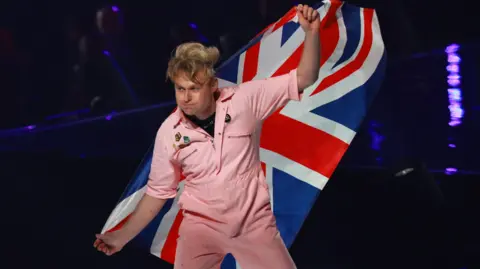
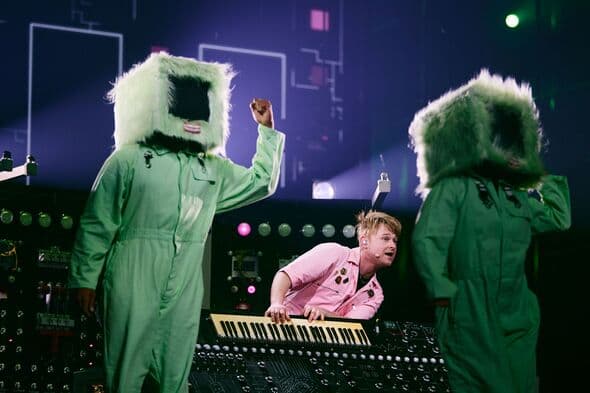
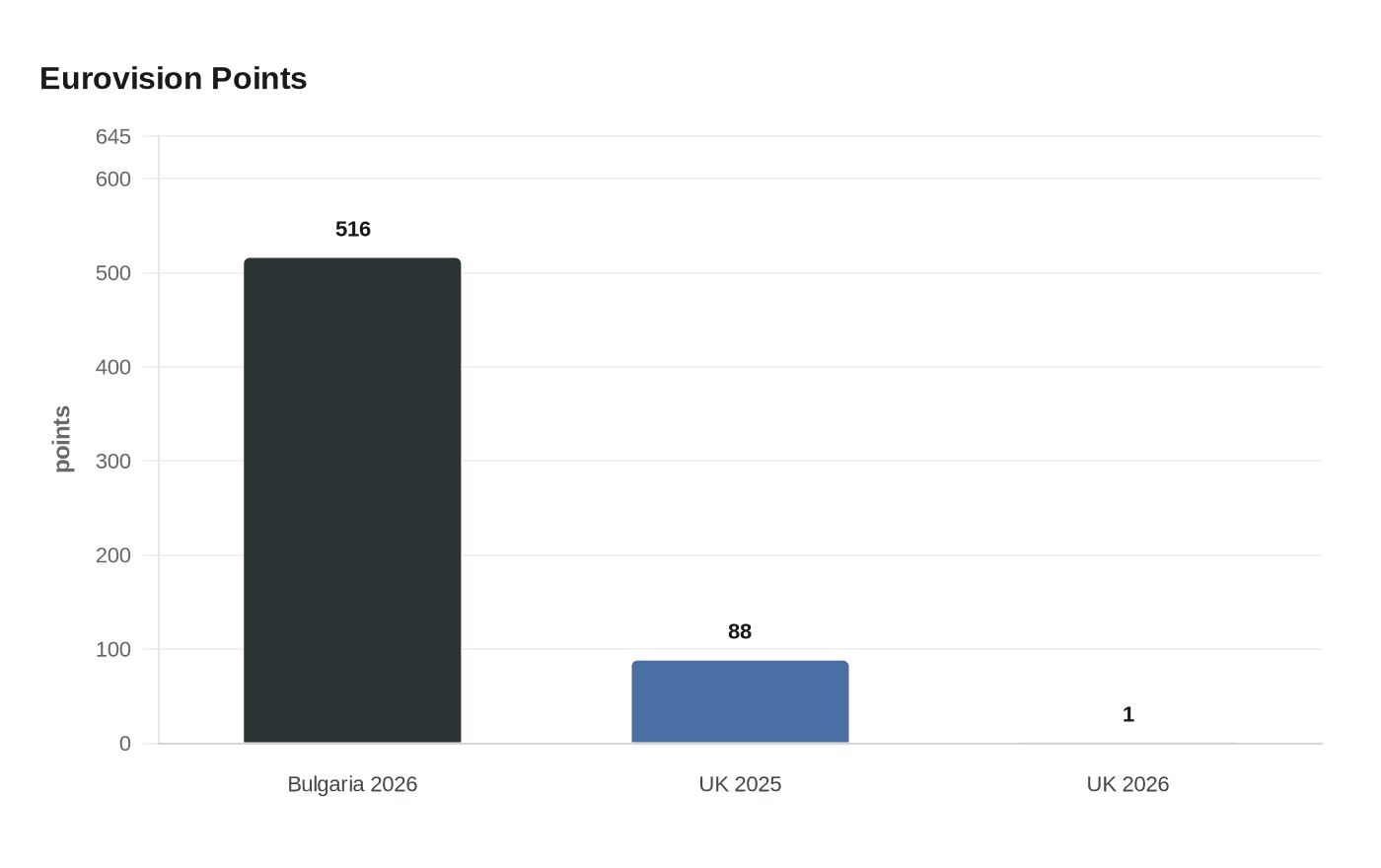
The BBC’s Eurovision formula hit a wall again in Vienna, where Look Mum No Computer finished last with just one point, none from the public and only one from juries. After four years of weak returns, the broadcaster faces a harder question than staging or song choice: whether the way it selects the UK entry is fit for a contest that now rewards identity, momentum and digital fandom as much as mainstream radio appeal.
Eurovision 2026, the contest’s 70th edition, ended at Wiener Stadthalle on 16 May after semi-finals on 12 and 14 May. Bulgaria won with 516 points, underlining how far the UK’s results have drifted from the front of the pack. The British entry’s last-place finish followed another damaging year in 2025, when Remember Monday, Lauren Byrne, Holly-Anne Hull and Charlotte Steele came 19th with 88 points overall and received zero points from the public vote.
That back-to-back collapse has revived criticism of the BBC’s approach. The broadcaster internally selects the UK entry, which means it does not face a domestic qualifier or any public elimination stage before Eurovision itself. The UK also automatically reaches the final as one of the contest’s Big Four, so there is no semi-final pressure test to show whether a song can travel beyond a small judging room or a loyal fan base. In practice, the BBC is making a high-stakes choice with very little market feedback.
The scale of the latest setback makes that weakness harder to ignore. Look Mum No Computer’s result in Vienna meant the UK again failed to win over the European public, repeating a problem that has now become structural rather than accidental. Even in a year when the BBC kept Eurovision front and centre on air, with Graham Norton back on presentation duties alongside Sara Cox and Rylan, the contest offered no sign that its current selection model is producing entries capable of competing in the modern voting landscape.
The UK remains one of Eurovision’s most experienced broadcasters and has hosted the contest a record nine times, including in 2023. But that history now sharpens the contrast with the present. The BBC has an audience, a platform and a tradition of treating Eurovision as a major broadcast. What it does not have, after two straight years of public rejection and another last place in Vienna, is a convincing selection strategy. The rethink before 2027 is no longer optional.
This article was produced by Prism’s automated news system from verified source data, official records, and press releases, then run through automated quality and moderation checks before publishing. The system is built and supervised by the people who set the standards it runs under. Read our full AI policy.
Did this article answer your question?