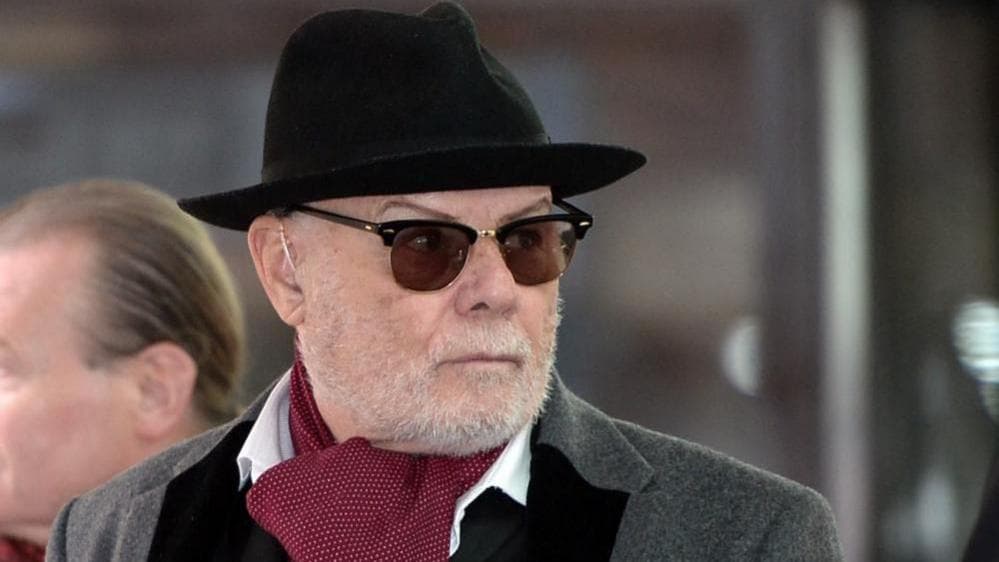
Survivor contestant Joe Hunter fights to prove his sister was murdered
Joe Hunter says his sister Joanna’s death was mislabeled as suicide, and his fight has pushed California to strengthen suspicious-death reviews.
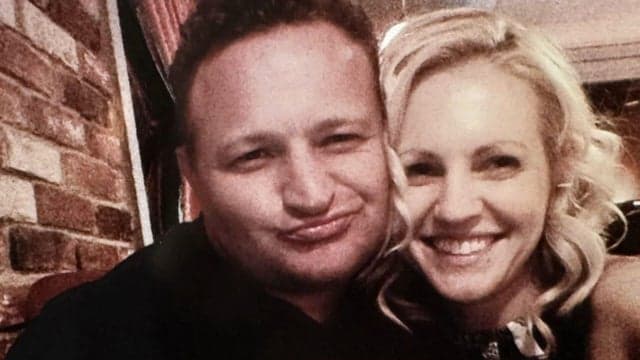
Joe Hunter says the official ruling on his sister’s death missed the signs of abuse that he believes point to murder, turning a family tragedy into a fight over how suspicious deaths are investigated and who gets to challenge them.
Hunter, a contestant on Survivor 48 and Survivor 50, has spent years pressing the case of Joanna Hunter, whose death in October 2011 was ruled a suicide. He believes Joanna was killed, and his mother, Patricia Hunter, has joined him in refusing to let the case stay closed. Their argument centers on what they say was a long history of domestic abuse involving Joanna and her husband, Mark Lewis, along with prior restraining-order issues and criminal allegations that they believe should have triggered a homicide investigation.
The dispute has become more than a private family battle. CBS News later examined the case in a 48 Hours episode titled Joe Hunter’s Mission, which aired Dec. 13, 2025, and framed Hunter’s grief as a driving force in his public life. On Survivor 48, he wore a purple domestic violence awareness bracelet, and his tribute to Joanna became one of the season’s most talked-about moments. Hunter has said he was competing in part to honor his sister and raise awareness for domestic violence survivors.
For Patricia Hunter, the central failure was investigative, not emotional. She said she was appalled that Joanna’s death was not investigated as a homicide. That complaint has echoed far beyond one family, because many contested deaths hinge on the same obstacles: limited access to records, old investigative decisions that are hard to reopen, and a system that can treat suspected abuse as secondary after a death is ruled self-inflicted.
The Hunters’ advocacy helped drive Joanna’s Law, also known as SB 989. Alliance for HOPE International says the measure was passed on Sept. 27, 2024, signed by Gov. Gavin Newsom, and took effect on Jan. 1, 2025. The law is described as strengthening investigations into suspicious deaths potentially linked to domestic violence and giving families more recourse to obtain records and investigative documents. Sacramento city and state officials later recognized Hunter for his work on the bill.
The case now stands as both a family’s challenge to a suicide ruling and a test of whether the system can better answer families who say a death was never fully examined.
This article was produced by Prism’s automated news system from verified source data, official records, and press releases, then run through automated quality and moderation checks before publishing. The system is built and supervised by the people who set the standards it runs under. Read our full AI policy.
Did this article answer your question?