BBC investigation finds mini-marts selling cocaine and cannabis across UK high streets
Mini-marts on UK high streets were filmed offering cocaine, cannabis, laughing gas and pills, exposing how illegal supply can hide in plain sight.
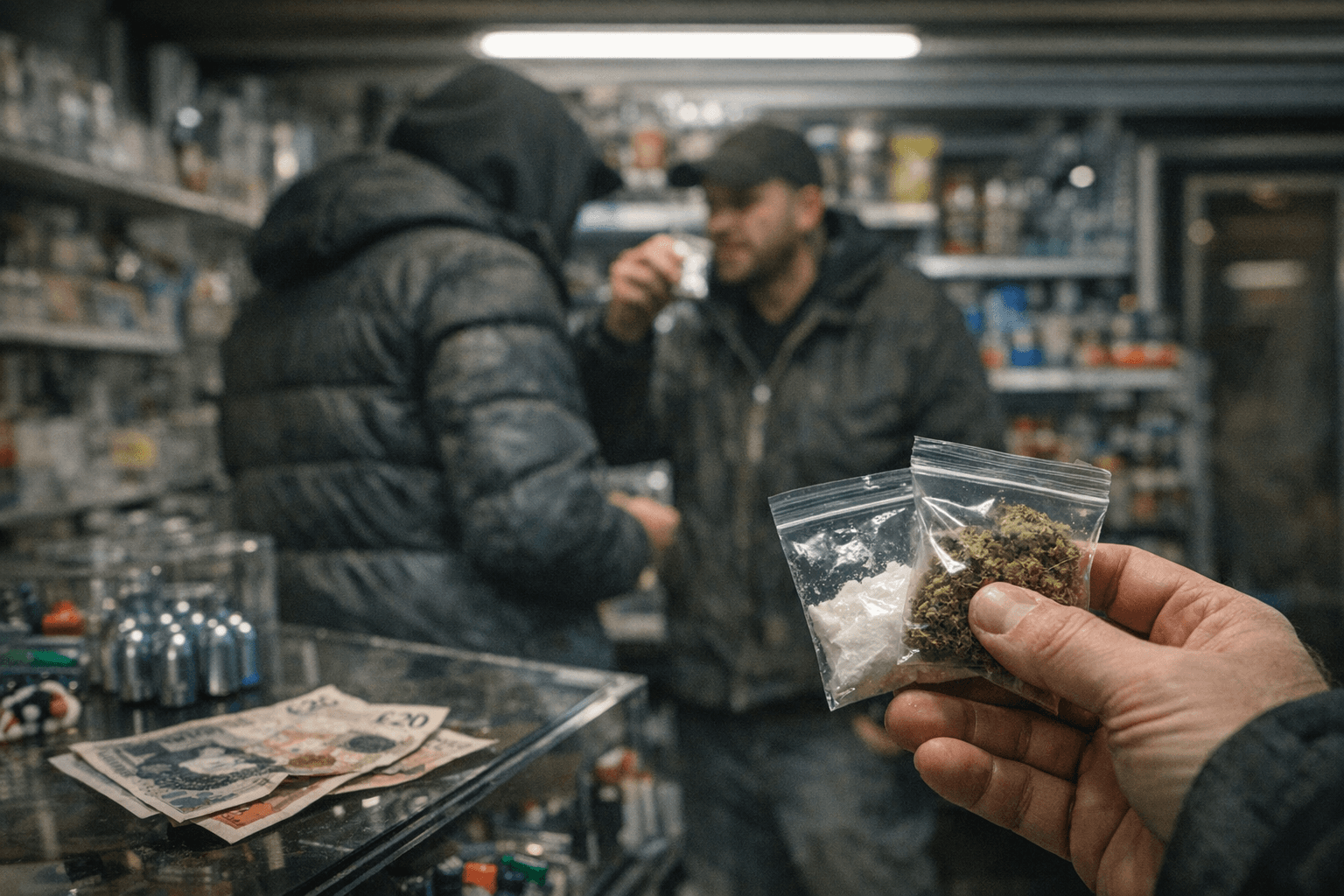
Mini-marts on ordinary UK high streets were filmed offering cocaine, cannabis, laughing gas and prescription pills to undercover researchers, exposing how street-level drug supply can hide behind familiar shop counters. In one confrontation, BBC editor Ed Thomas faced a shopkeeper secretly filmed selling cannabis and cocaine to a researcher, a scene that brought the trade out of the shadows and into plain view.
The investigation captured sales in four towns, showing how apparently routine retail fronts can function as outlets for illegal drugs as well as convenience goods. The immediate question is not only how the buyers got the footage, but how such activity could operate in shops that sit in the middle of everyday neighbourhood commerce. The case points to a gap between what residents see on the high street and what police, trading standards teams and licensing regimes may be missing until evidence is gathered privately.
The legal backdrop is clear. Supplying controlled drugs is an offence under the Misuse of Drugs Act 1971. Parliament’s own briefing says undercover policing in England and Wales is governed by RIPA and overseen by the Investigatory Powers Commissioners Office, but it also notes that historic undercover operations drew severe criticism after revelations that officers used dead children’s identities and entered intimate relationships with targets. Those tensions matter in cases like this, where covert tactics are often the only way to document what is happening inside otherwise ordinary premises.
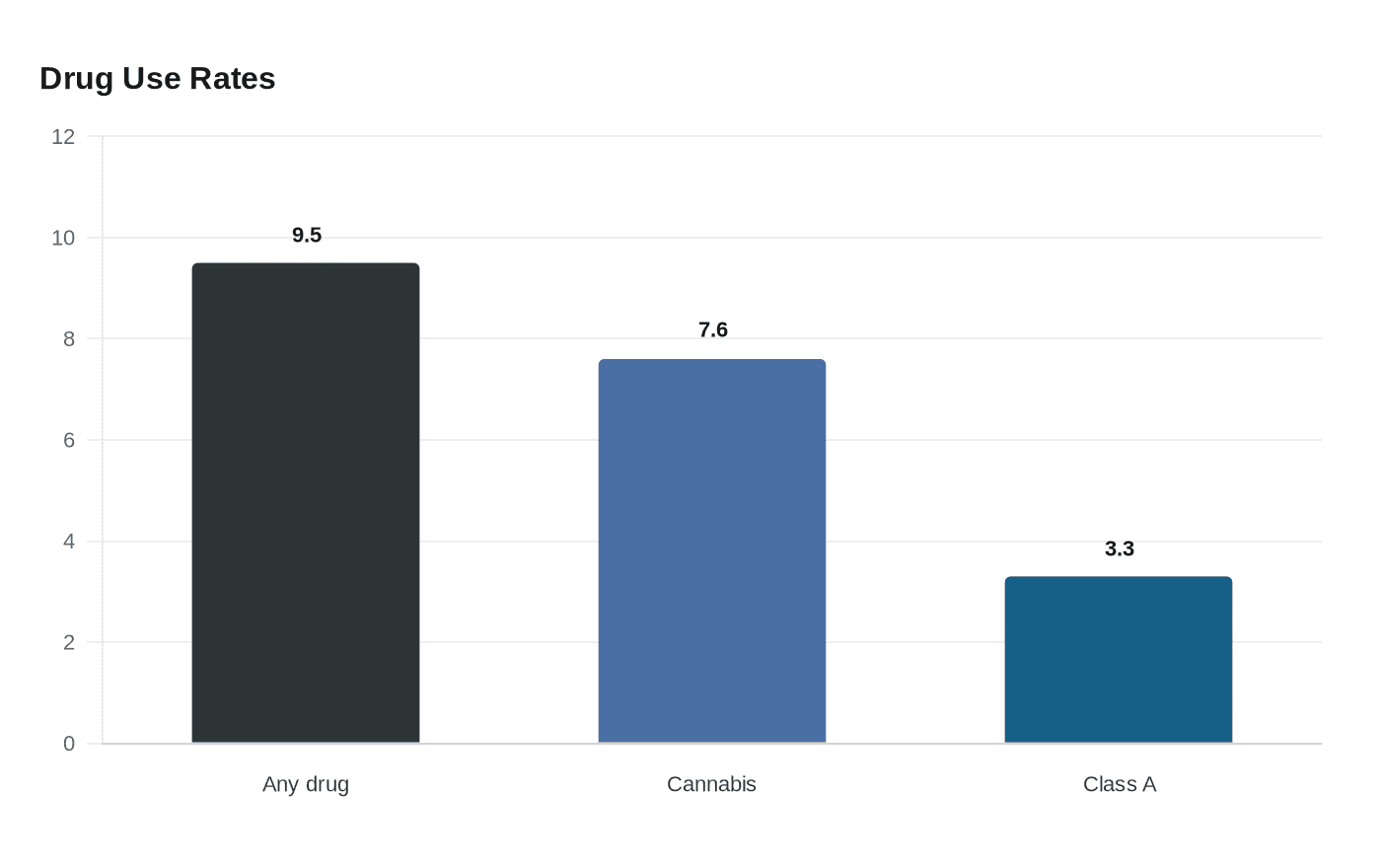
The scale of the wider market helps explain why small shops can become so attractive to criminal networks. The House of Commons Library has estimated the illicit drugs market in the UK at £9.4 billion. It says 9.5% of people aged 16 to 59 in England and Wales reported using a drug in the year to March 2023, including 7.6% who reported cannabis use and 3.3% who reported Class A drug use. About 777,000 people were frequent drug users in that period, a level of demand that sustains a market capable of reaching deep into local retail life.
That market is also a test of enforcement. The National Crime Agency is the lead body for tackling organised crime across borders, while police carry the burden of local enforcement. Transform Drug Policy Foundation argues that legal regulation would take drugs out of the hands of organised crime, and it estimates UK drug enforcement spending at more than £2 billion this year. The findings from UK high streets sharpen that debate: when cocaine, cannabis and pills can be offered over a shop counter, the issue is no longer abstract policy. It is neighbourhood governance, public confidence and the daily question of whether the law is actually reaching the places where crime is operating in plain sight.
This article was produced by Prism’s automated news system from verified source data, official records, and press releases, then run through automated quality and moderation checks before publishing. The system is built and supervised by the people who set the standards it runs under. Read our full AI policy.
Did this article answer your question?