Russian Oil Flow Resumes to Slovakia, Easing Druzhba Pipeline Standoff
Russian crude started flowing again to Slovakia through Druzhba after a nearly three-month halt, reviving a pipeline that still binds Central Europe to Russian energy.
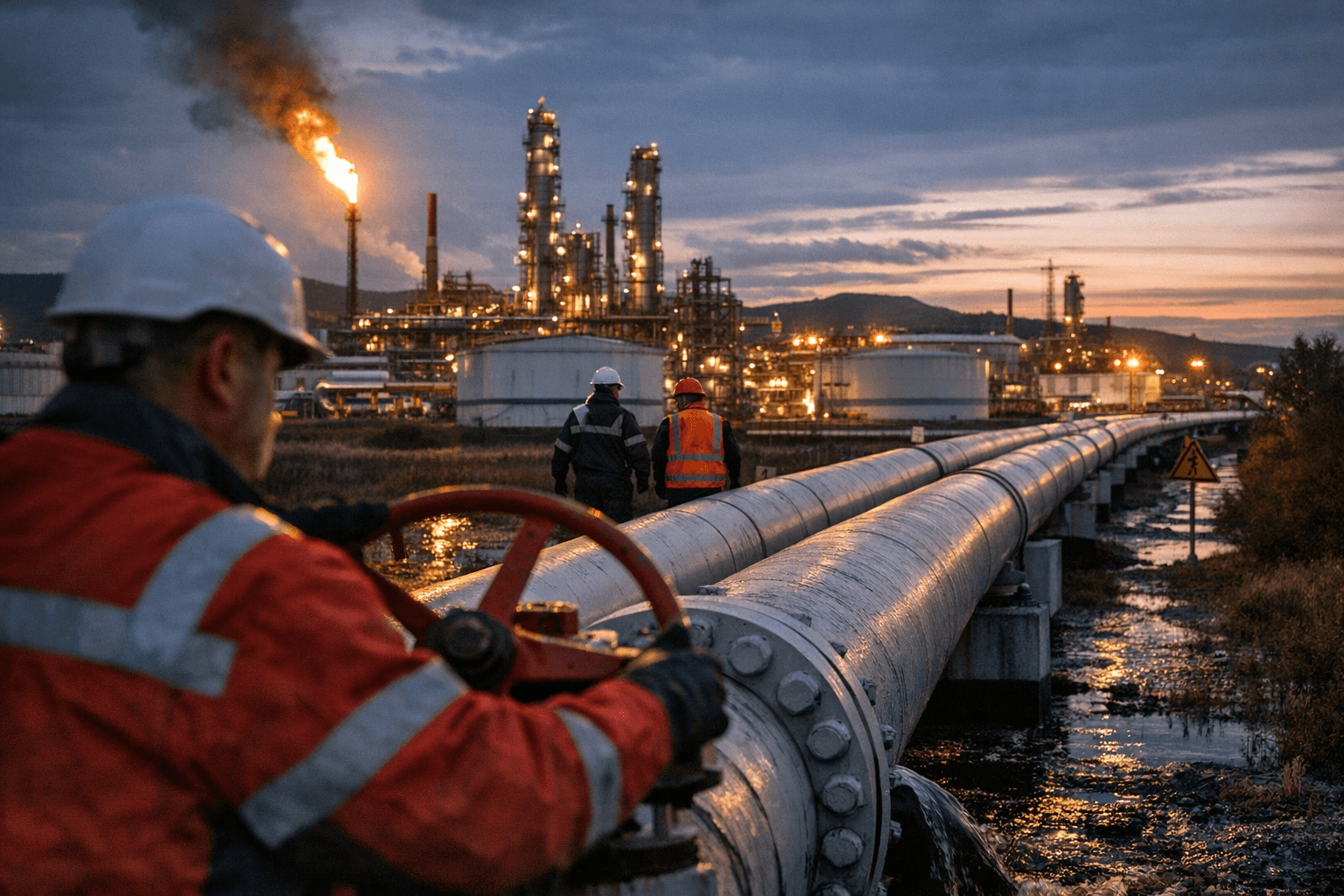
Oil began moving again through the Druzhba pipeline toward Slovakia, ending a nearly three-month stoppage that exposed how deeply Slovakia and Hungary still depend on Russian crude routed across Ukraine.
Slovak Economy Minister Denisa Saková said the flow of Russian oil to Slovakia had resumed, and Slovak officials expected the first physical delivery on Thursday morning, April 23, 2026. The pumping restart came on April 22 in the Ukrainian section of the line, after damage in western Ukraine from a Russian drone strike in January forced the shutdown. For Bratislava and Budapest, the interruption was more than a technical problem. It turned a supply route into a political argument over who controls the fate of energy that still moves through a war zone.
Hungary and Slovakia had both said deliveries should resume this week, and industry reporting indicated the initial shipments would be split between the two countries. That matters because neither state has fully escaped the legacy of Soviet-era infrastructure. Druzhba remains one of the main channels for Russian crude into Central Europe, and the latest restart underscored that the region’s energy strategy is still colliding with an older physical reality: pipelines, refineries and contracts that were not built to be unraveled quickly.
The standoff also carried wider European stakes. The restart was seen as potentially helping clear the way for a long-delayed 90 billion euro European Union loan for Ukraine, which Hungary had been blocking. The dispute had become a broader political flashpoint between Kyiv and the two EU members, with Budapest and Bratislava accusing Ukraine of dragging out repairs, while Ukraine said the work had been completed. The Kremlin, for its part, said Russia was technically ready to resume oil flows to Hungary and Slovakia if and when Ukraine ended what Moscow called its “blackmail.”
The resumed flow eased an immediate supply threat, but it also highlighted a deeper contradiction at the heart of Europe’s post-invasion energy policy. Years after the war began and sanctions pressure intensified, Russian crude was still moving through infrastructure crossing Ukraine and feeding refineries in Slovakia and Hungary. The pipeline restarted, but Europe’s disentanglement from Russian energy remained unfinished.
This article was produced by Prism’s automated news system from verified source data, official records, and press releases, then run through automated quality and moderation checks before publishing. The system is built and supervised by the people who set the standards it runs under. Read our full AI policy.
Did this article answer your question?


