Residents of Tyre weigh return amid fragile Lebanon ceasefire
A fragile ceasefire sent families back toward Tyre, but ruins, damaged roads and new security risks left many unsure whether home was still livable.
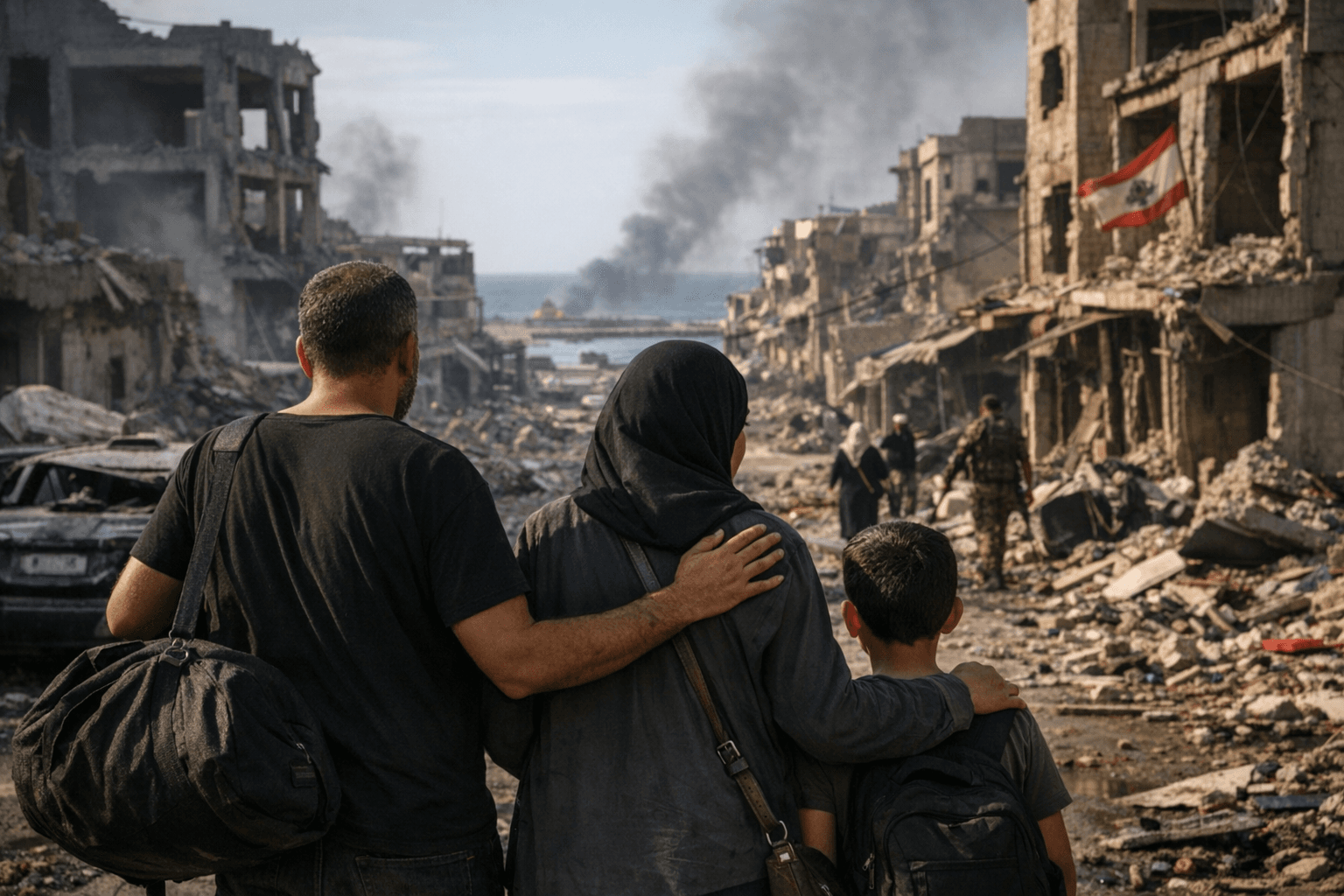
In Tyre, a Hezbollah stronghold on Lebanon’s southern coast, the ceasefire did not end the war so much as change the calculation. Families who fled during months of bombardment now faced a harsher question: return to damaged homes and live with the threat of renewed strikes, or stay away and sink deeper into poverty.
The ceasefire that took effect on April 17 opened a narrow route back south, and reports said tens of thousands began moving home. But many found bombed-out buildings, broken roads and uncertain access to neighborhoods that had once anchored their livelihoods. In Tyre, one of the hardest-hit cities in the conflict, the return was less a reversal than a gamble, with civilians trying to decide whether the shell of a house could still function as shelter.
That decision carried heavy economic consequences. Southern Lebanese households depend on local shops, daily wage work and family networks that were fractured by displacement. Leaving again can mean starting over in a country already strained by inflation, unemployment and the collapse of basic services. Staying, however, can mean remaining within range of the next warning, the next missile or the next evacuation order. For many families, the issue was not simply where home was, but whether home still offered survival.
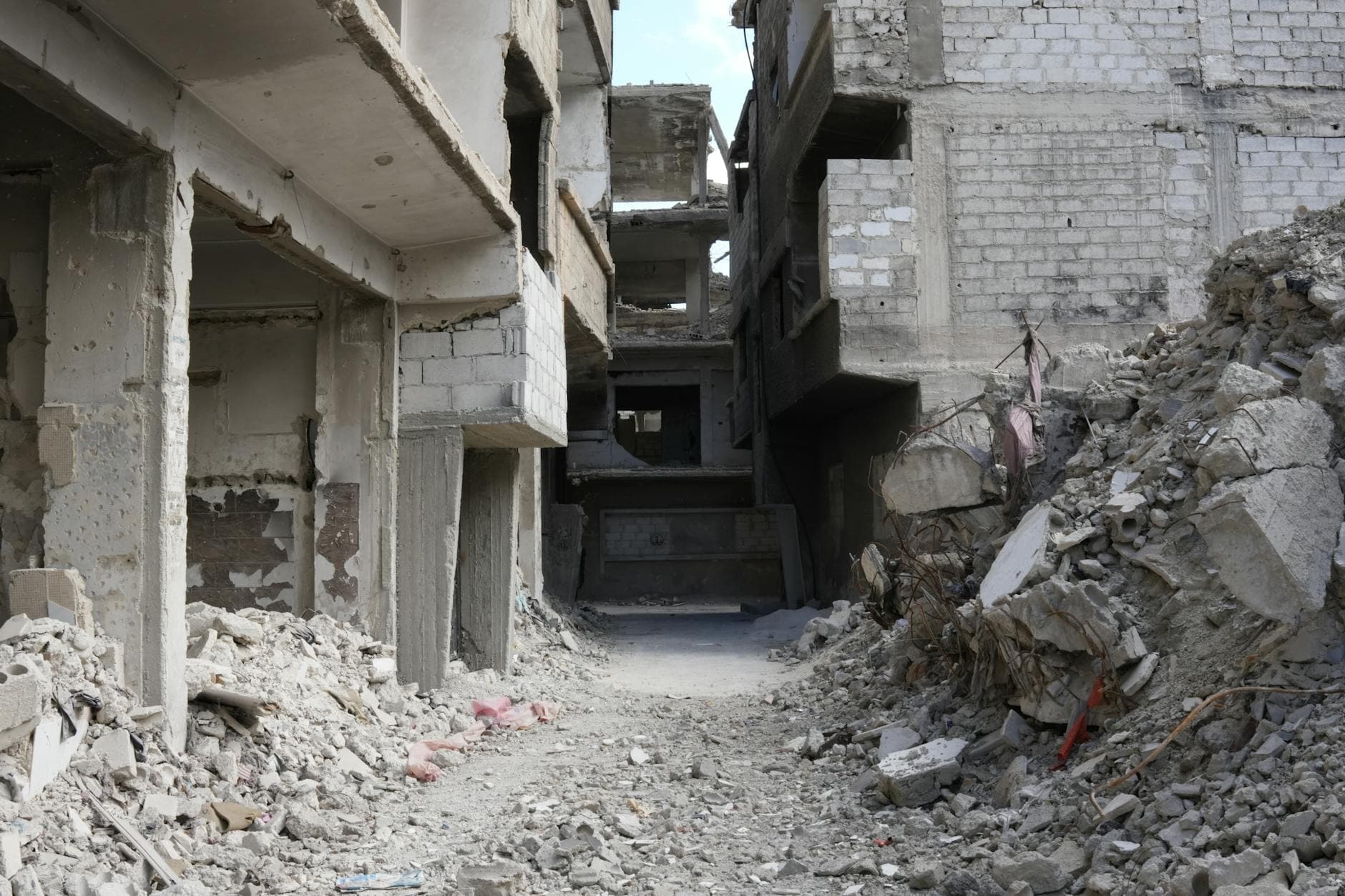
The wider cost of the fighting remains staggering. By late September 2024, humanitarian agencies counted more than 346,000 internally displaced people in Lebanon, including 121,000 children, and more than 100,000 Lebanese and Syrians had fled into Syria. UNICEF said the escalation since October 2023 had killed more than 4,040 people in Lebanon, and said more than three children were being killed every day during the most intense period. Those numbers help explain why so many families in the south had already learned to move twice, first to escape the bombing and then to test whether the ceasefire would hold.
The political fate of the south is now entangled with the civilian one. Control of Lebanon’s south remains one of the central sticking points in negotiations between Israel and Lebanon, and that uncertainty hangs over Tyre and towns along the Litani River corridor. Until the diplomatic talks produce something sturdier than a pause in fire, residents of southern Lebanon will keep making the same brutal accounting: the danger of staying versus the cost of leaving.
This article was produced by Prism’s automated news system from verified source data, official records, and press releases, then run through automated quality and moderation checks before publishing. The system is built and supervised by the people who set the standards it runs under. Read our full AI policy.
Did this article answer your question?


