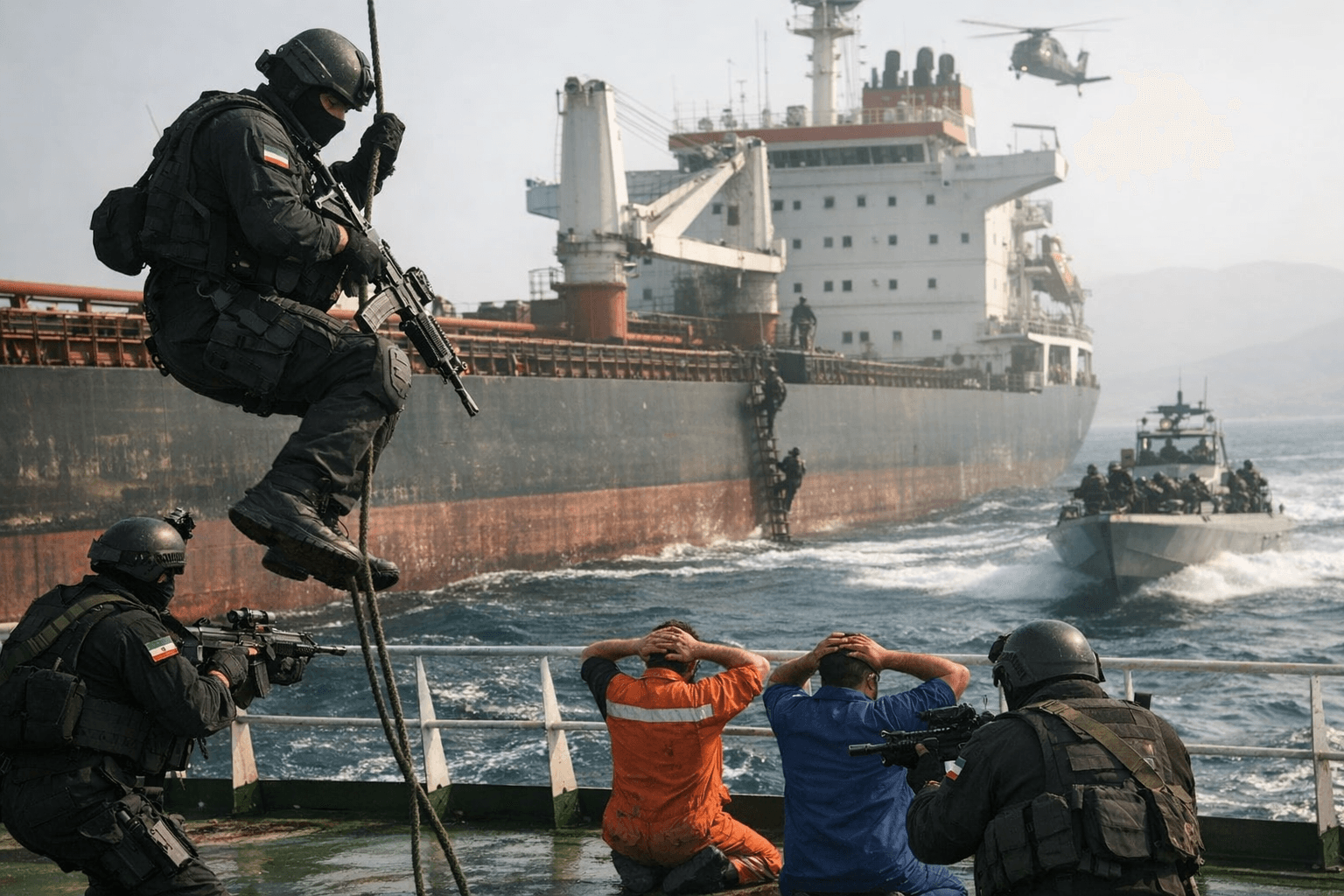
Iran seizes two cargo ships in Strait of Hormuz amid ceasefire
Iran’s seizure of two cargo ships in the Strait of Hormuz hours after a ceasefire extension jolted shipping lanes and revived fears over energy flows.
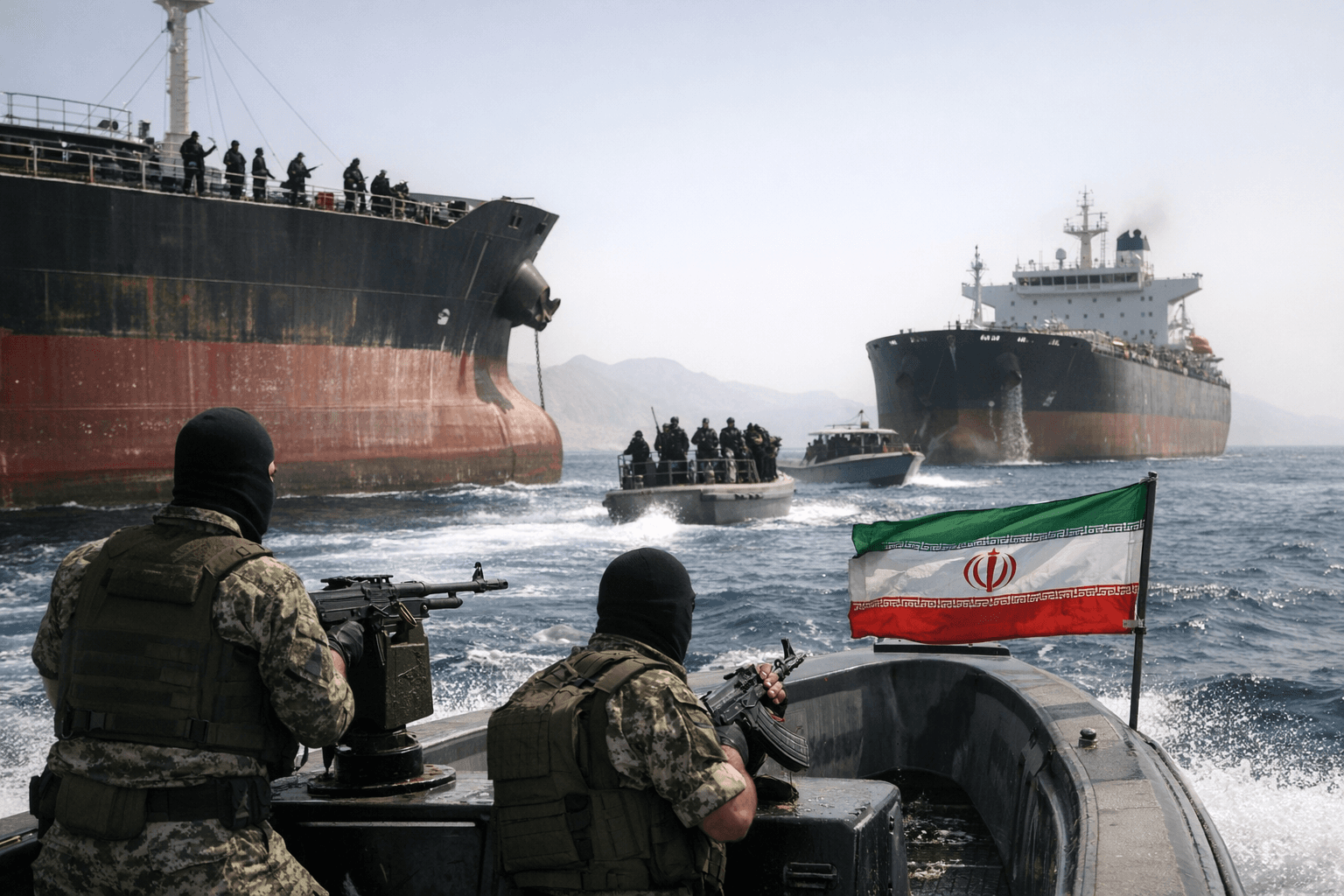
Iran escalated pressure in the Strait of Hormuz on Wednesday, April 22, 2026, seizing two foreign cargo vessels and escorting them toward Iranian shores just hours after President Donald Trump extended the ceasefire between the United States and Iran. The Islamic Revolutionary Guard Corps Navy said the ships violated maritime regulations and manipulated their tracking systems, an accusation that turned a disputed corridor into the most volatile front in the conflict’s maritime phase.
Some reports identified the vessels as MSC Francesca and Epaminodes, both seized in one of the world’s most strategically sensitive waterways. The action came as U.S.-Iran peace talks remained stalled and as questions mounted over whether planned negotiations in Islamabad could still proceed after reports that Tehran would not attend. Reuters reported that the seizures marked the first time Iran had seized ships since the beginning of the war, underscoring how quickly the ceasefire could be tested at sea.
The seizures did not happen in isolation. The United Kingdom Maritime Trade Operations Centre said an Iranian Revolutionary Guard Corps gunboat fired on a container ship about 15 nautical miles northeast of Oman, causing heavy damage to the bridge while leaving the crew safe. Another vessel was reported fired upon and stopped in the water. At least three commercial ships were attacked in or near the Strait of Hormuz that day, reinforcing fears that commercial traffic and energy shipments could again become bargaining chips in the regional conflict.
The incident also collided with a broader U.S. effort to disrupt Iranian shipping. U.S. Central Command said it had directed 31 vessels, mostly oil tankers, to turn around or return to port as part of its blockade of Iranian shipping. The pressure in the waterway was already rising: UKMTO said it had received 35 incident reports affecting vessels in and around the Arabian Gulf, Strait of Hormuz and Gulf of Oman between February 28 and April 22, including 22 attack reports and 13 suspicious-activity reports.
For shipping companies, insurers and energy traders, the question now is whether Iran’s seizures were symbolic posturing or the start of a deeper strategy to use maritime disruption as leverage. The Strait of Hormuz carries outsized significance because even a short interruption can ripple through global oil markets and test the limits of a ceasefire that appears increasingly fragile.
Know something we missed? Have a correction or additional information?
Submit a Tip