BBC reveals private life of Africa’s influential, controversial first lady
She fled a forced teenage marriage, then rose into the presidential palace, where Fatima Bio is now celebrated as a girls’ rights champion and condemned as a divider.
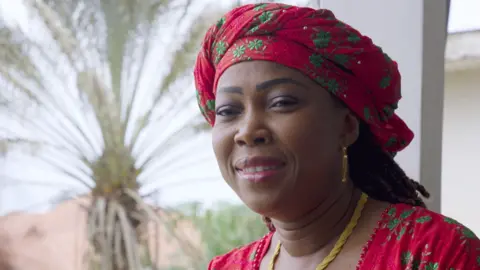
Fatima Bio’s public power in Sierra Leone now sits uneasily beside the childhood she escaped. The first lady, one of Africa’s most prominent political spouses, was nearly married off as a teenager to a man in his 30s, according to the account at the center of the BBC World Service report. She left at 16 in 1996, during the disruption of Sierra Leone’s civil war, and later rebuilt her life in Britain before becoming the wife of President Julius Maada Bio. That private history has made her both a symbol of survival and a lightning rod for criticism.
Her reach extends far beyond personal biography. BBC World Service has increasingly treated African first ladies as political actors in their own right, including recent coverage of Ghana’s first lady and her fundraising for a mother and child care unit in Kumasi. The broadcaster’s Africa-facing footprint is broad, with Focus on Africa, Africa Live, and regional World Service services across West and Central Africa, East and Southern Africa, and other continent-oriented feeds carrying political and social coverage to a wide audience. Bio’s story lands inside that larger frame: women at the top of government are not only ceremonial figures, but also participants in public health, philanthropy and state messaging.

In Sierra Leone, Bio has translated personal experience into policy. She has backed the campaign against child marriage, and Parliament unanimously passed the Prohibition of Child Marriage Bill in 2024, making marriage under 18 a criminal offense. Her office has said she was once a victim of child marriage herself. Human Rights Watch said the law was designed to protect girls from a practice that remains widespread, noting that around 30 percent of girls in Sierra Leone are married before 18. For women’s rights advocates, Bio’s trajectory is powerful proof that survivor-led activism can produce real legal change with direct implications for girls’ health, schooling and safety.
But the same visibility that gives her influence also feeds suspicion. BBC’s reporting says Bio has faced boos and jeers from MPs, and criticism over a social media video that showed a man later identified by international outlets as a fugitive drug trafficker, a claim she has denied knowing him. That controversy sharpened the split around her public image: supporters see a woman who escaped coercion and turned pain into policy, while critics see a first lady whose access to power blurs into political theater and family patronage. In Sierra Leone’s polarized public life, Fatima Bio represents both the possibility of resistance and the burdens of rule.
This article was produced by Prism’s automated news system from verified source data, official records, and press releases, then run through automated quality and moderation checks before publishing. The system is built and supervised by the people who set the standards it runs under. Read our full AI policy.
Did this article answer your question?

