BBC uncovers fake asylum claims backed by staged evidence, coached lies
Staged protests, fake websites and coached identities were used to prop up sham asylum claims, deepening suspicion around legitimate cases.
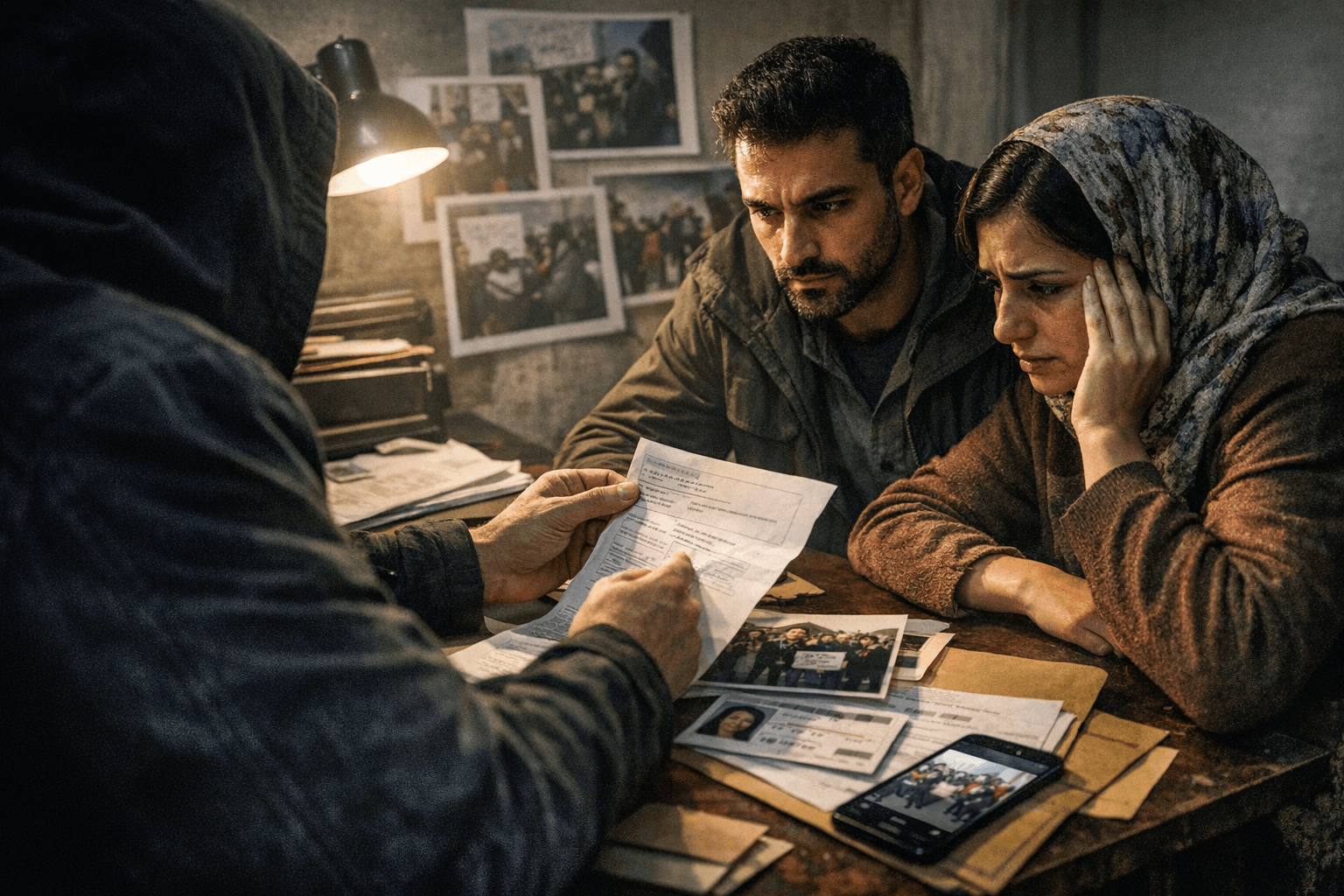
Fake websites, staged protests and bogus medical reports were used to bolster asylum claims, while advisers were allegedly coaching some migrants to recast themselves as gay, lesbian or atheist depending on what they thought would strengthen a case. Some of the people drawn into the scheme had arrived in the UK on visas that were about to expire, and were being shown how to assemble supporting letters, photographs and other evidence to make their applications look credible.
The revelations sit inside a wider shadow market around asylum claims, one that exploits gaps in credibility assessments and then leaves legitimate applicants to absorb the fallout. A separate BBC investigation published the same day said legal advisers were helping migrants pose as gay for asylum purposes, including by suggesting fake relationships and staged photographs. That kind of fraud does more than corrupt individual files. It feeds a growing suspicion that makes it harder for genuine refugees, including people fleeing persecution because of sexuality, religion or politics, to be believed.
The pressure on the asylum system is already severe. Home Office statistics show 111,084 people claimed asylum in the UK in the year ending June 2025, 14% more than in the year ending June 2024 and above the previous peak of 103,081 in 2002. By the year ending December 2025, the figure was 101,000, still far above historic norms. In 2024, 108,138 people claimed asylum in the UK. Those totals have kept the system under strain and turned every allegation of abuse into a political flashpoint.
Accommodation has become one of the most visible parts of that strain. BBC reporting in 2023 said about 47,000 asylum seekers were being housed in hotels, and government briefing in 2025 put the cost of hotel use at £5.77 million a day in 2024/25. A Home Office briefing in April 2026 said 11 asylum hotels were being closed, while ministers said the number in hotels had fallen further. Even so, the issue has remained combustible, with protests and clashes around asylum hotels in places including Knowsley and Bristol.
The regulatory backdrop matters too. In July 2024, the Solicitors Regulation Authority said a review of asylum claims handling found widespread good practice among most firms, despite concerns about bogus claims. The existence of a rogue advice market does not erase that broader professionalism, but it does show how a handful of sham operators can damage public trust, distort asylum decision-making and make an already vulnerable system harder for everyone to navigate.
This article was produced by Prism’s automated news system from verified source data, official records, and press releases, then run through automated quality and moderation checks before publishing. The system is built and supervised by the people who set the standards it runs under. Read our full AI policy.
Did this article answer your question?

