Warsh vows to divest millions as Fed chair confirmation nears
Warsh’s ethics filing showed more than $100 million in assets, including two Juggernaut Fund stakes above $50 million apiece, before his April 21 hearing.
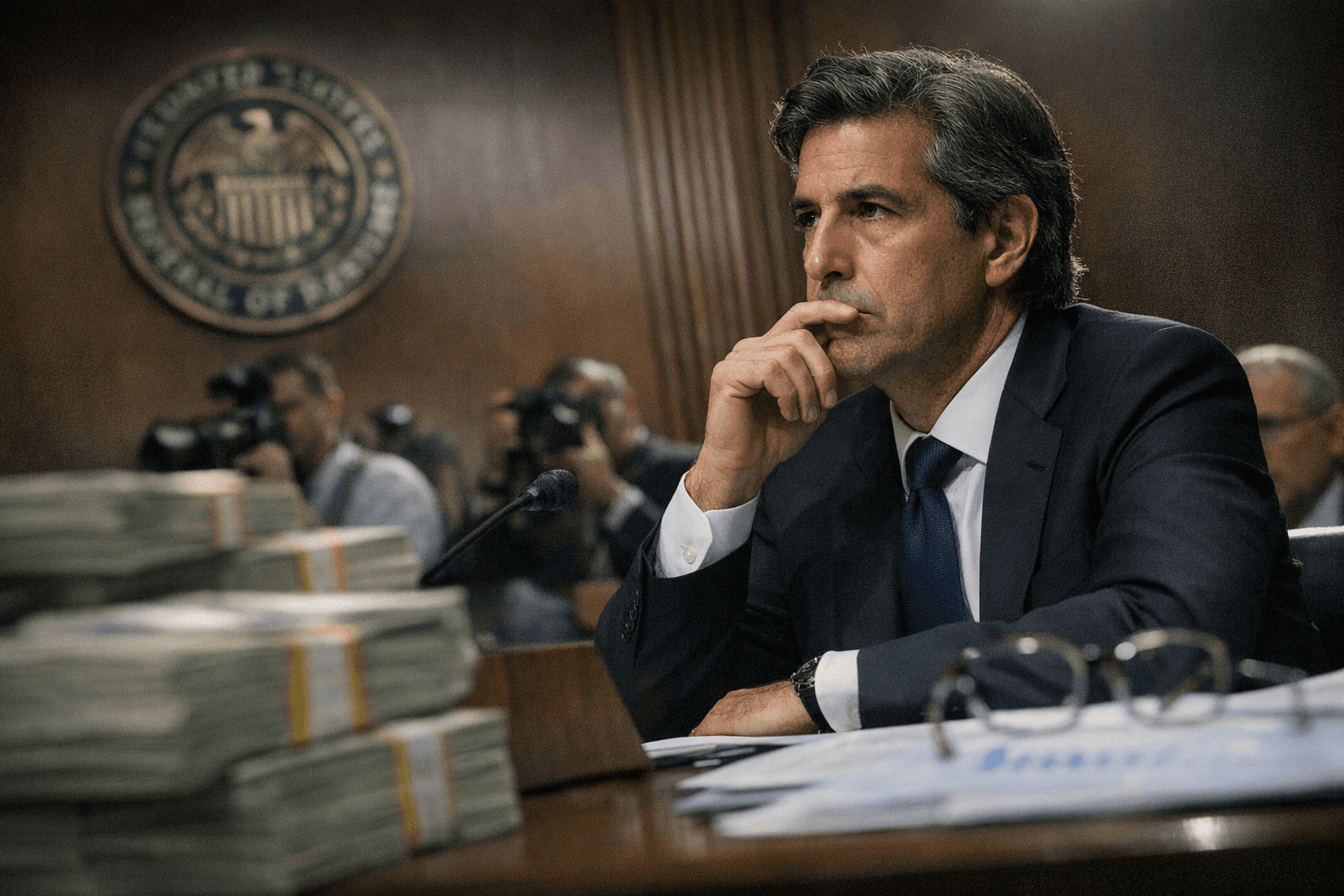
Kevin M. Warsh’s path to the Federal Reserve’s top job now turns on a test of independence: how much of his fortune he will shed, and whether markets will believe he can do it fast enough.
Warsh filed a 69-page financial disclosure with the U.S. Office of Government Ethics on April 14, laying out a balance sheet that puts him among the wealthiest people ever tapped to lead the central bank. The filing suggests he holds assets worth well over $100 million, and Bloomberg said the combined disclosed holdings for Warsh and his wife, Jane Lauder, total at least $192 million, with the true figure likely higher because many assets were reported only in broad ranges.
The disclosure shows two investments worth more than $50 million each in Juggernaut Fund LP, along with $10.2 million in consulting fees from Stanley Druckenmiller’s investment office. It also includes holdings tied to THSDFS LLC, an asset Warsh said he will divest if confirmed. The Juggernaut stakes came with a confidentiality caveat because the underlying assets were not disclosed.
That level of private-sector wealth is about to face public scrutiny on the Senate Banking Committee’s schedule. The committee set Warsh’s confirmation hearing for April 21, leaving lawmakers a narrow window to examine not just his record, but the financial entanglements that could complicate his stewardship of an institution built on public trust. Jerome Powell’s term as Fed chair ends May 15, while his term as a member of the Federal Reserve Board runs until January 31, 2028.
Warsh, who served as a Federal Reserve governor from 2006 to 2011, is expected to argue that he can meet the central bank’s ethics rules by stepping away from outside ties. His filing says he would resign from roles including an advisory position with Stanley Druckenmiller and a board seat at UPS. Those promises will matter because the Fed’s credibility depends not only on interest-rate decisions and inflation fighting, but on the perception that its chair is insulated from the private fortunes and relationships that could color public judgment.
If confirmed, Warsh would become one of the wealthiest Fed chairs in history. For lawmakers weighing his nomination, the central question is whether those millions can be unwound cleanly enough to preserve confidence in a central bank already under pressure to prove its independence.
This article was produced by Prism’s automated news system from verified source data, official records, and press releases, then run through automated quality and moderation checks before publishing. The system is built and supervised by the people who set the standards it runs under. Read our full AI policy.
Did this article answer your question?

