DraftKings, FanDuel Pour Millions Into Super PAC to Shape Betting Rules
FanDuel, DraftKings and Fanatics have funneled $41 million into a super PAC, then pushed its war chest toward primaries and betting laws in Texas, Georgia and Ohio.
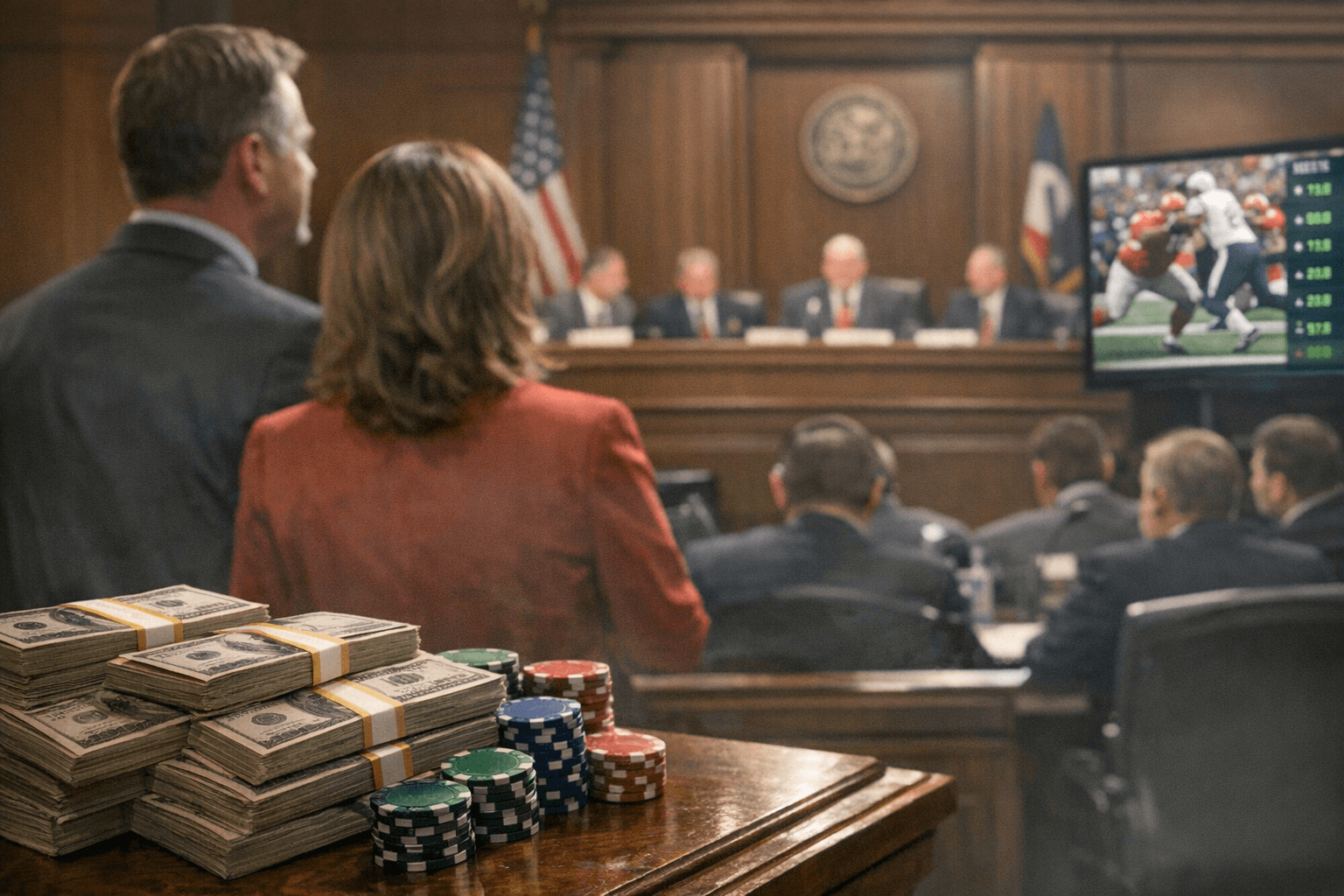
The biggest names in sports betting are not waiting for regulators to set the terms. FanDuel, DraftKings and Fanatics Sportsbook have poured $41 million into Win for America, a new super PAC designed to help shape the rules for an industry that is still being defined state by state.
Federal Election Commission filings showed FanDuel gave $19.5 million, DraftKings’ parent company contributed $17.5 million and a Fanatics subsidiary added $4 million. Later reports put the committee’s total at about $48 million after Bet365 joined the effort. Win for America has also been described as backing a network of state-level political committees, giving the sportsbooks a way to spread money into local races where gambling policy is often decided.
That spending is already landing in contested primaries. Reports said the committee had put more than $20 million into primary elections in at least six states, including Texas and Georgia, where sports betting is still illegal. The point is not only expansion. It is leverage. By funding candidates and committees early, the industry is trying to influence how states approach advertising limits, tax rates, consumer protections and problem-gambling safeguards before those rules harden.
The campaign money arrives as the legal betting market keeps expanding after the 2018 Supreme Court decision that opened the door for states to legalize sports wagering. It also comes as traditional sportsbooks face new pressure from prediction markets such as Kalshi and Polymarket, which have become part of the competition for betting dollars and political influence. The result is a broader fight over who gets to define the market, and on what terms.
Ohio has become one of the clearest battlegrounds. Republican lawmakers there have proposed sweeping restrictions that would ban online and phone gambling, block credit-card betting and rein in advertising, a sign that the political mood around sports wagering is shifting even in states where betting is already legal. The conflict now reaches well beyond odds and promotions. It is about whether a fast-growing gambling industry can keep writing the playbook while public health advocates, lawmakers and regulators try to slow it down.
This article was produced by Prism’s automated news system from verified source data, official records, and press releases, then run through automated quality and moderation checks before publishing. The system is built and supervised by the people who set the standards it runs under. Read our full AI policy.
Did this article answer your question?

