Virginia man charged in Jan. 6 pipe bomb plot near Capitol
Prosecutors say a fresh evidence review tied Brian Cole Jr. to the Capitol pipe bombs, then escalated the case into a terrorism prosecution.
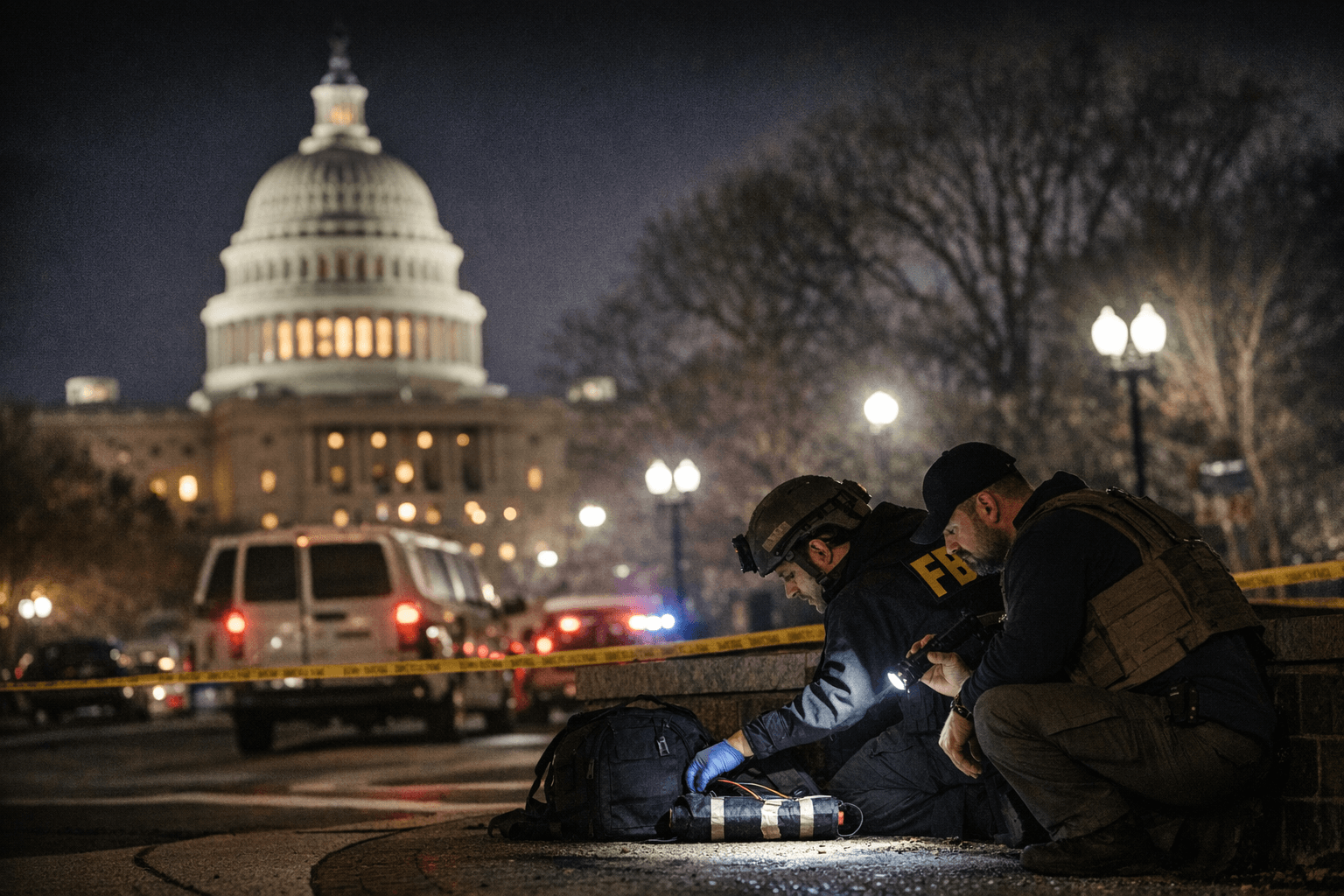
Prosecutors have moved the long-silent Capitol pipe-bomb case from a narrow explosives indictment into a terrorism prosecution, a shift that raises the stakes for Brian Cole Jr. and reframes the devices as part of the broader Jan. 6 attack on the transfer of power.
Cole, 30, of Woodbridge, Virginia, was first charged in January 2026 with interstate transportation of explosives and malicious attempt to use explosives. A superseding indictment later added attempting to use weapons of mass destruction and committing an act of terrorism while armed, charges that suggest prosecutors now see the Jan. 5, 2021 placements outside Republican and Democratic headquarters as more than a standalone bomb case. The devices were left near the Republican National Committee at 310 First Street SE and the Democratic National Committee at 430 South Capitol Street SE, blocks from the U.S. Capitol, as Congress prepared to certify the 2020 election results.
That legal upgrade matters because it links the case more directly to the chaotic scenes of Jan. 6, when the discovery of the unexploded devices drew law enforcement resources away from the Capitol just as rioters breached the building. Prosecutors say the bombs did not detonate, but the FBI concluded they were viable improvised explosive devices containing a main explosive charge, a fuzing system and a hard metal container. By adding terrorism-related counts, the government is signaling that it views the placement of the devices as an act meant to intimidate and destabilize the government at a moment of national vulnerability.
The new case rests on evidence prosecutors say was assembled after a complaint filed Dec. 3, 2025 and a fresh review of cellphone, credit card and license-plate reader records. Court filings say Cole bought bomb-making components in 2019 and 2020, his cellphone connected with Washington towers between about 7:39 p.m. and 8:24 p.m. on Jan. 5, 2021, and license-plate data placed his car near South Capitol Street about 20 minutes before surveillance footage first captured the bomber.
Prosecutors also say Cole told investigators during a 90-minute interview that he believed the 2020 election had been tampered with, that “someone needs to speak up,” and that he walked agents through the construction, transportation and planting of the pipe bombs. His lawyers have argued that the case is “inextricably and demonstrably tethered” to Jan. 6 and should fall under President Donald Trump’s pardon proclamation for Jan. 6 rioters, but the Justice Department says the pardon does not apply because Cole was not convicted of, and did not have a pending indictment for, Jan. 6-related offenses when it took effect.
Cole has pleaded not guilty to the original charges and had not yet been arraigned on the new indictment. For federal prosecutors, the terrorism count turns a stalled mystery into a test of how far Jan. 6 accountability can reach beyond the Capitol doors.
This article was produced by Prism’s automated news system from verified source data, official records, and press releases, then run through automated quality and moderation checks before publishing. The system is built and supervised by the people who set the standards it runs under. Read our full AI policy.
Did this article answer your question?

