Bear attacks four in Fukushima as Japan’s bear encounters surge
A black bear chased a worker into a Fukushima factory and injured four people, including a woman in her 80s, as Japan faces record bear attacks.

A black bear chased a worker to the ground outside Fukushima Steel Works and went on to injure four people in a residential district of Fukushima City, a vivid example of how bear encounters have moved into daily life in parts of Japan. Police received an emergency call around 6:30 a.m. on Tuesday from an office in the Sasakino district, and Fukushima police and fire officials rushed to the scene after the company reported that two employees had been attacked.
Security camera footage showed the bear appearing near the factory entrance, chasing a worker in his 20s, throwing him down, and then moving into the company compound, where it injured another employee in his 60s. The bear later injured a third man in his 60s at a separate company nearby and then attacked a woman in her 80s in the neighborhood. Officials said the three men had minor injuries and the woman had moderate injuries, with no life-threatening wounds reported.
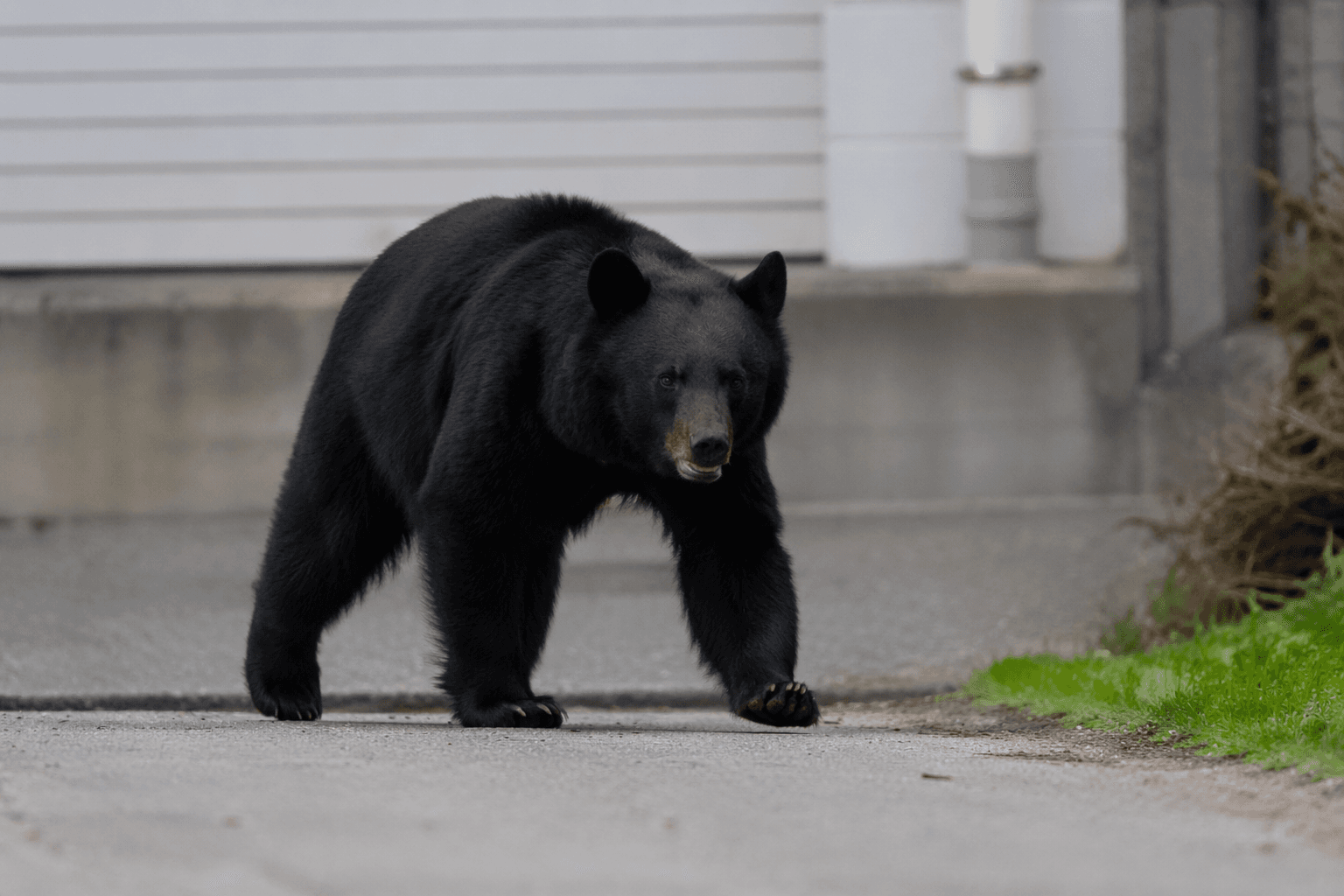
The Fukushima attack landed in the middle of a wider national surge that has pushed Japan’s bear problem from mountain forests into towns, factory districts and residential streets. Japan’s Environment Ministry said bears killed 13 people in more than 230 attacks in 2025, both records, while the government estimated the country’s bear population at around 57,800 in March 2026. Japan also recorded more than 50,000 bear sightings in fiscal 2025, more than double the previous record set in fiscal 2023.
The scale of the response has changed as quickly as the risk. Environment Ministry data showed 14,720 bears were captured in fiscal 2025, the most since records began in 2006, and more than 99% were killed. More than 70% of human injuries from bear encounters since July occurred in residential or urban areas, underscoring how often the danger now falls on people living and working far from the remote terrain where bear conflicts were once expected.
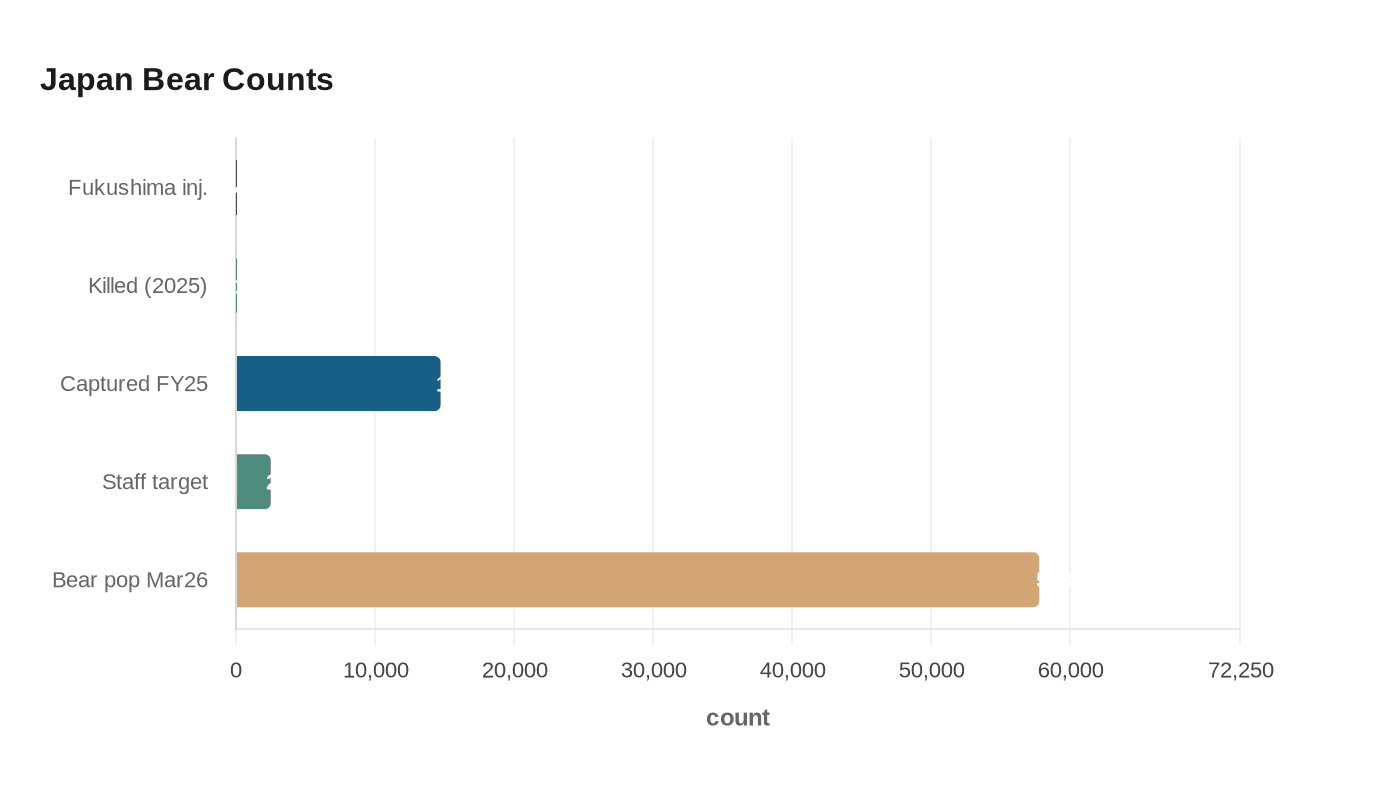
Officials have begun discussing a nationwide overhaul of bear management as poor acorn harvests and other food shortages drive bears toward populated areas and rural depopulation leaves communities with fewer people to monitor their edges. The government’s roadmap reportedly calls for tripling municipal bear-control staff to 2,500 within five years and doubling the number of bear traps. In Fukushima, where a bear attack was caught on security video at a factory gate before spreading into nearby homes and businesses, the policy challenge is no longer theoretical. It is already on the street.
This article was produced by Prism’s automated news system from verified source data, official records, and press releases, then run through automated quality and moderation checks before publishing. The system is built and supervised by the people who set the standards it runs under. Read our full AI policy.
Did this article answer your question?


