Beatty and Rhyolite Draw Visitors, Spotlight County Preservation Needs
Beatty and the nearby ghost town of Rhyolite continue to draw visitors for historic ruins, outdoor art and proximity to Death Valley National Park, supporting local tourism and small businesses. The concentration of visitors on limited public lands raises practical and policy questions for Nye County about preservation, infrastructure and emergency preparedness.
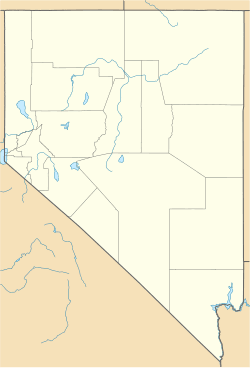
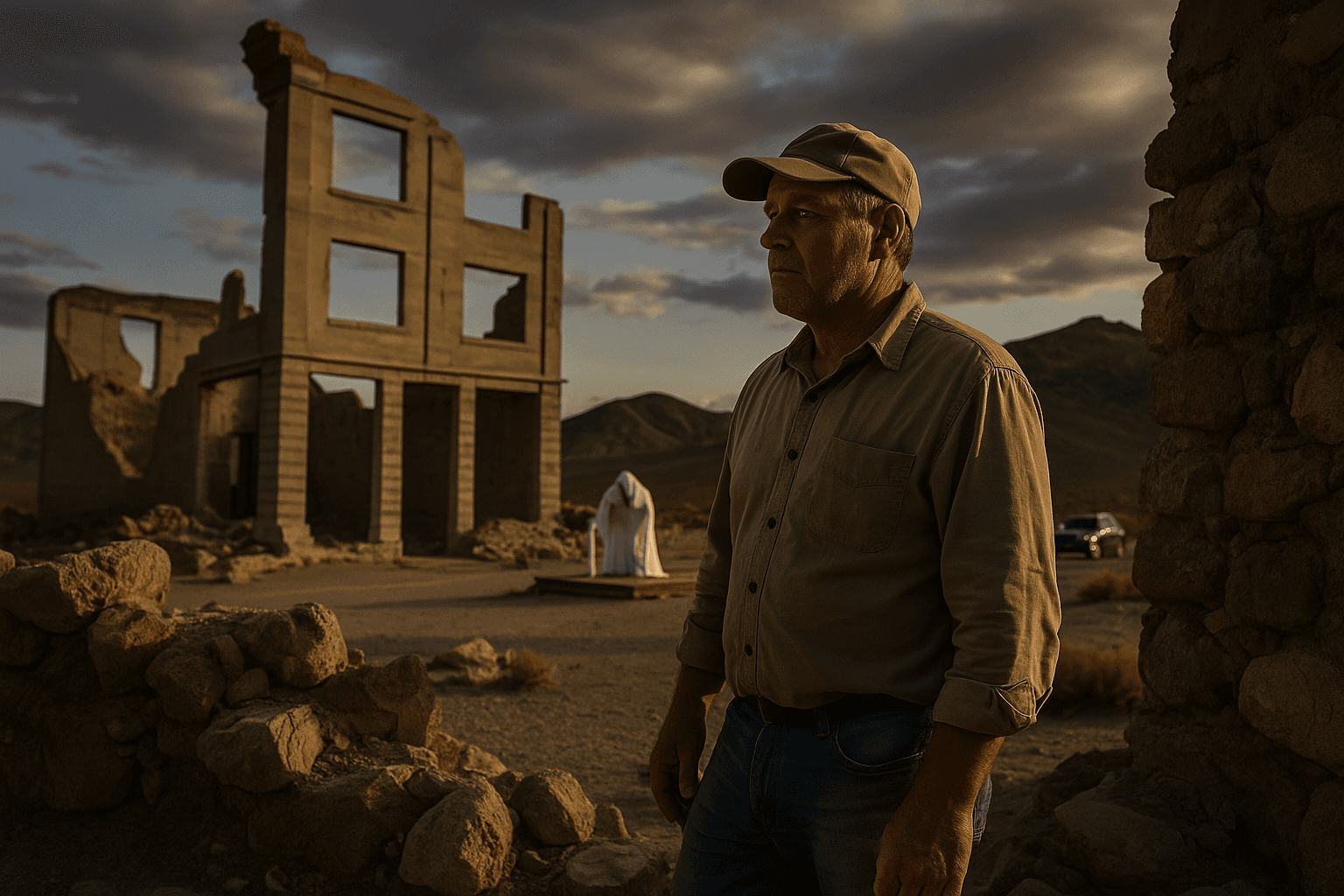
Beatty and Rhyolite function as a regional draw for people seeking history and art at the edge of Death Valley National Park. Visitors come to see Rhyolite ruins including the bottle house, train depot and old bank facade, and to view outdoor works such as the Botticelli of the Desert and the Goldwell Open Air Museum. Beatty serves as the gateway for many trips, offering basic services including fuel, lodging and visitor information, though business hours vary by season.
The remains at Rhyolite sit on public land with limited amenities. That combination supports local tourism and occasional guided tours, while creating practical demands on visitors and institutions. Because facilities are sparse, visitors should bring water, respect fragile historic structures and follow Leave No Trace principles. Winter months generally provide the most comfortable daytime temperatures for exploration, concentrating visitation in cooler periods.
Local impact is mixed. Small businesses in Beatty benefit from steady visitor traffic that sustains lodging, dining and fuel sales. At the same time county and state stewards of public land face challenges in balancing access with preservation. Limited amenities and seasonal business hours mean emergency response and basic services can be inconsistent during peak visitor days and special events. Those operational realities translate into policy choices about where to allocate county resources, whether to invest in interpretive signage and restroom facilities, and how to fund preservation of fragile structures on public land.
Institutional accountability matters as visitation continues. Nye County leaders, state land managers and community organizations share responsibility for signage, maintenance and public education about safety and historic preservation. Residents should weigh those responsibilities when engaging with local government on budget priorities and land management practices. Civic participation at county meetings and on advisory boards will shape decisions that affect economic benefits and conservation outcomes.
For visitors, the practical takeaway is straightforward. Bring water and supplies, plan around seasonal business hours, and treat Rhyolite as a site of delicate historic fabric. For county officials and residents, the situation calls for clear planning, transparent funding decisions and sustained civic engagement to preserve cultural assets while supporting the local economy.
Sources:
Know something we missed? Have a correction or additional information?
Submit a Tip