Beginner's Mindfulness Meditation Guide, Practical Steps for Daily Practice
A compact practice focused primer lays out clear, simple steps for people new to mindfulness meditation, including a short starter practice, common techniques to try, and safety guidance. This matters because brief daily micro practices and accessible guidance make it easier for more people to begin and sustain a mindfulness habit with realistic expectations.
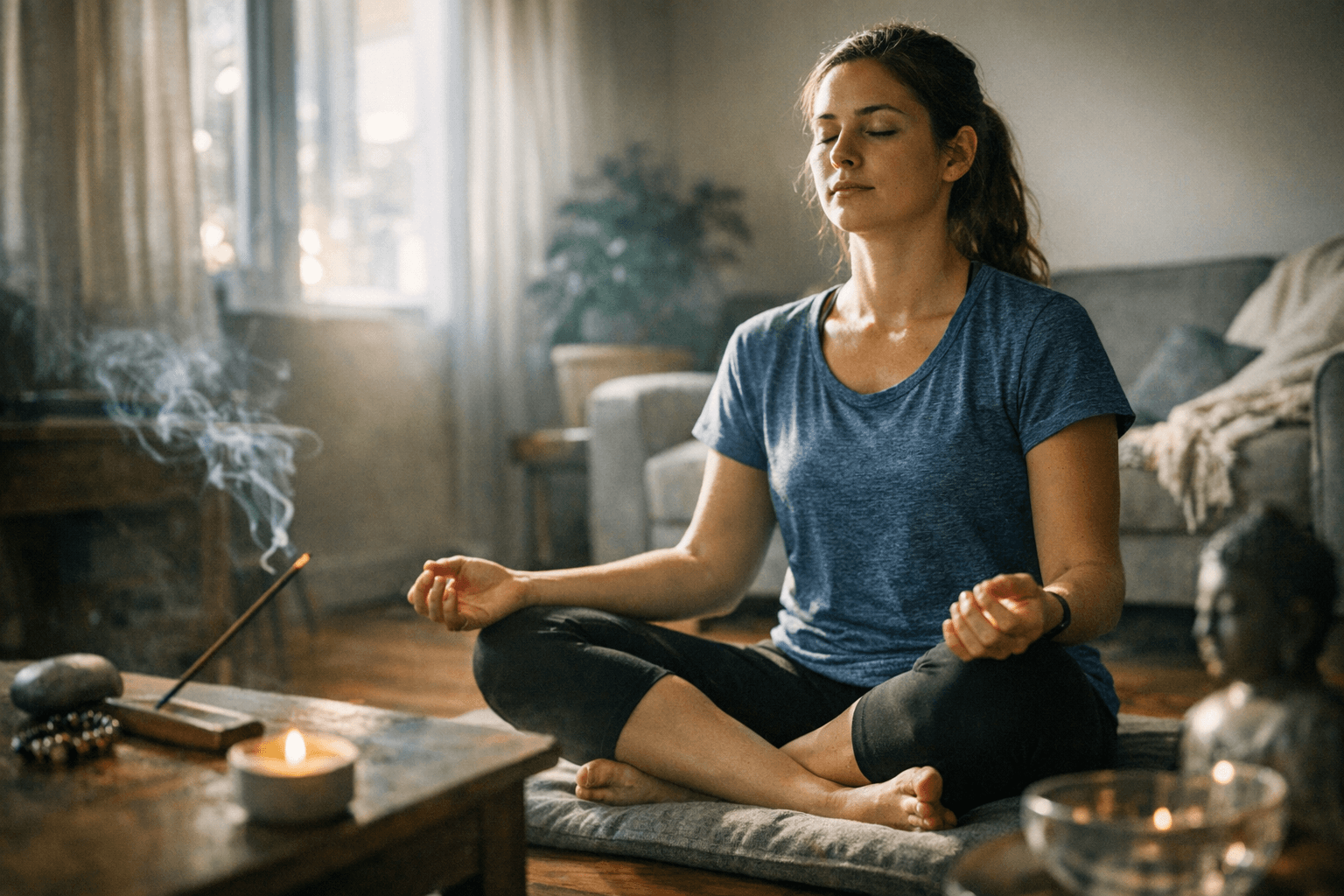
Mindfulness meditation trains paying purposeful, nonjudgmental attention to present moment experience, such as breath, body sensations, thoughts, and sounds. For beginners the most practical entry point is a short, structured practice that fits into everyday life. A simple starter exercise takes 5 to 10 minutes. Sit comfortably, set a timer, bring attention to the breath, and when the mind wanders note the thought gently and return to the breath. End with one mindful breath and a brief reflection on how the practice felt.
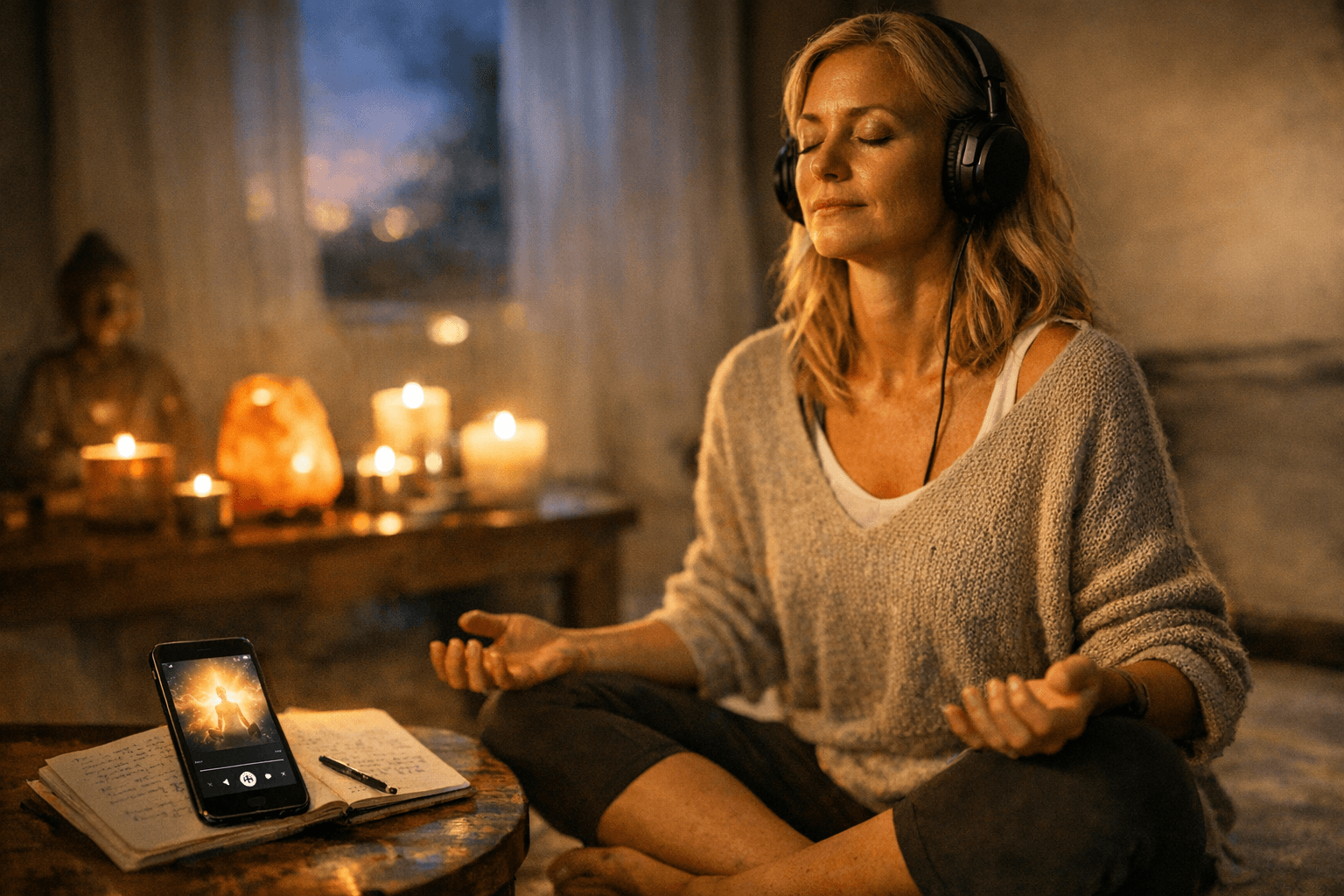
The immediate value is building consistency and lowering the barrier to beginning. Start short and stay consistent, using daily micro practices rather than one long session. Guided meditations can help if you prefer voice guidance, whether from an app or a teacher. Informal mindfulness during routine tasks such as walking or washing dishes anchors practice to real life and makes benefits more likely to stick.
There are several common techniques to explore once the starter practice feels familiar. Try a body scan to map sensations, breath awareness to stabilize attention, loving kindness phrases to cultivate goodwill, counting breaths to strengthen focus, or mindful movement through walking or basic yoga. Rotating among techniques keeps practice engaging and helps you discover what resonates.
Safety and expectations matter. Mild discomfort or restlessness is normal as attention and awareness adjust. If strong distress arises pause the practice and seek guidance from a qualified teacher or a mental health professional. Clear expectations reduce discouragement and support a sustainable approach.
To continue learning, connect with local meditation groups, consider established programs such as MBSR and MBCT, and consult reputable apps and books by evidence based teachers. Practical, short practices combined with reliable guidance help build a steady habit, making mindfulness accessible to people with varied schedules and life demands.
Know something we missed? Have a correction or additional information?
Submit a Tip