Beginner's roadmap to mindful meditation: simple steps and routines
Clear, practical steps and short routines to start or refresh a mindfulness meditation practice. Learn posture, anchors, variations, and habit tips to make practice stick.
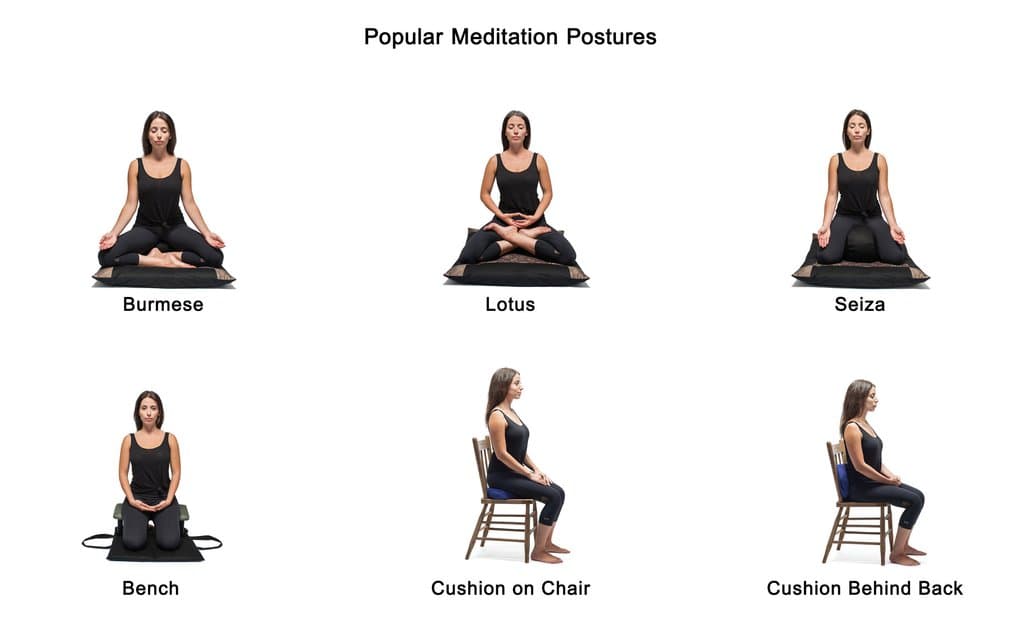
If you want a straightforward, usable way to build or restart a mindfulness meditation habit, here is a compact, evidence-informed roadmap you can use today. The essentials center on posture, an anchor for attention, and a nonjudgmental attitude toward whatever arises.
Begin by sitting comfortably with an upright posture. You do not need a cushion or fancy props; a straight-backed chair or a firm cushion on the floor works. Keep the spine tall, but not rigid, hands resting where they feel steady, and relax the shoulders. Choose a focus, the breath is the most common anchor, and orient your attention there. Notice the sensations of breathing in the nose, chest, or belly. When thoughts, emotions, itches, or sounds draw you away, label the distraction briefly in your mind if that helps, then gently return attention to the anchor without self-criticism.
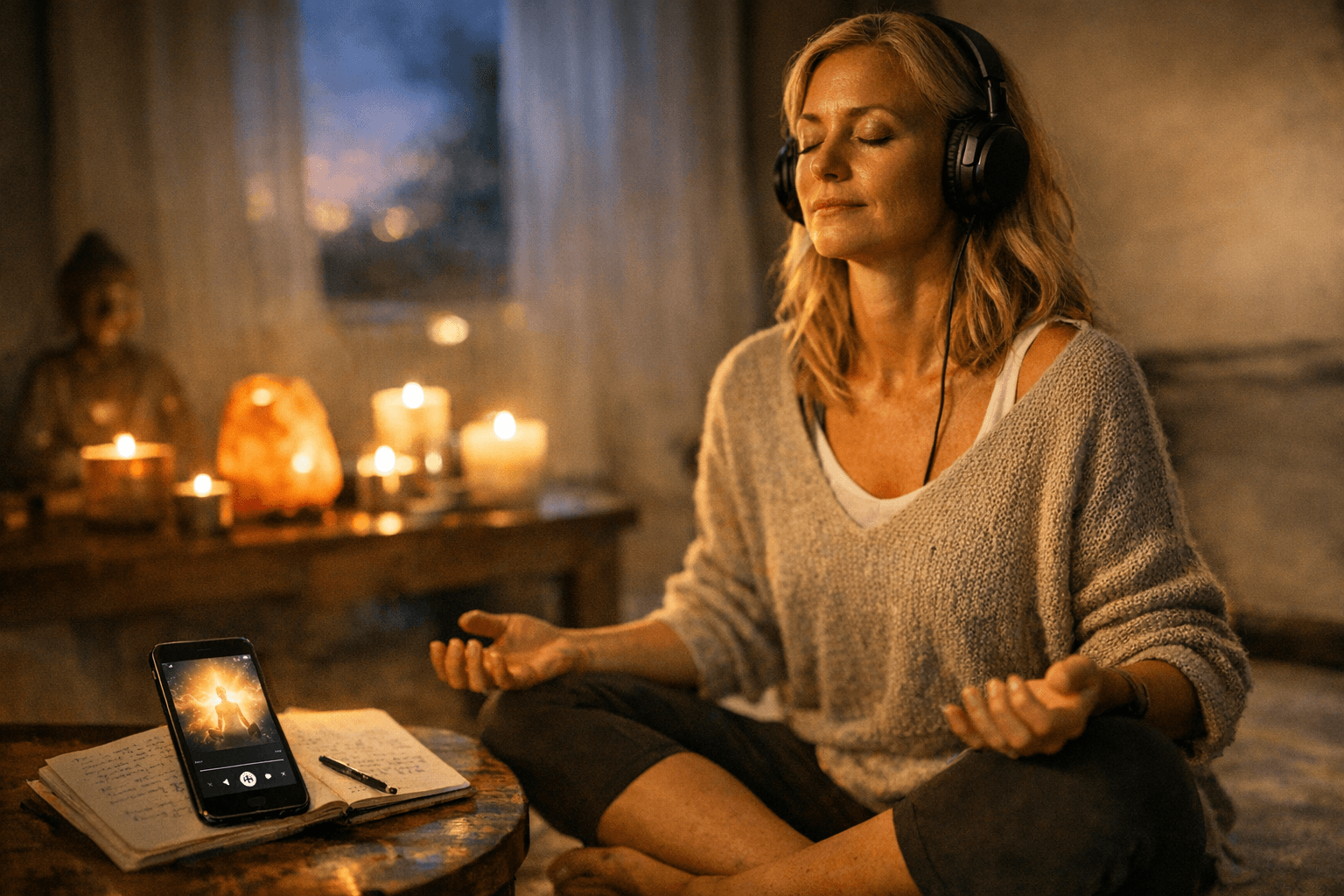
Start small. Short practices of one to five minutes lower the activation barrier and build a track record. Aim to practice daily at a consistent time, morning, after lunch, or before bed, so the habit links to an existing routine. As consistency grows, extend sessions to five, then ten or twenty minutes. Guided audio tracks are especially helpful for beginners; use them to learn pacing, anchors, and transitions between techniques.
Expand your toolkit with simple variations. A body scan invites you to move attention slowly through the body, noticing sensations without judgment. Mindful movement can be gentle stretches or yoga done with breath awareness. Walking meditation uses each step as an anchor, noticing contact, shifting weight, and the rhythm of movement. These alternatives are useful when sitting still feels uncomfortable or when you want to bring mindfulness into daily activities.
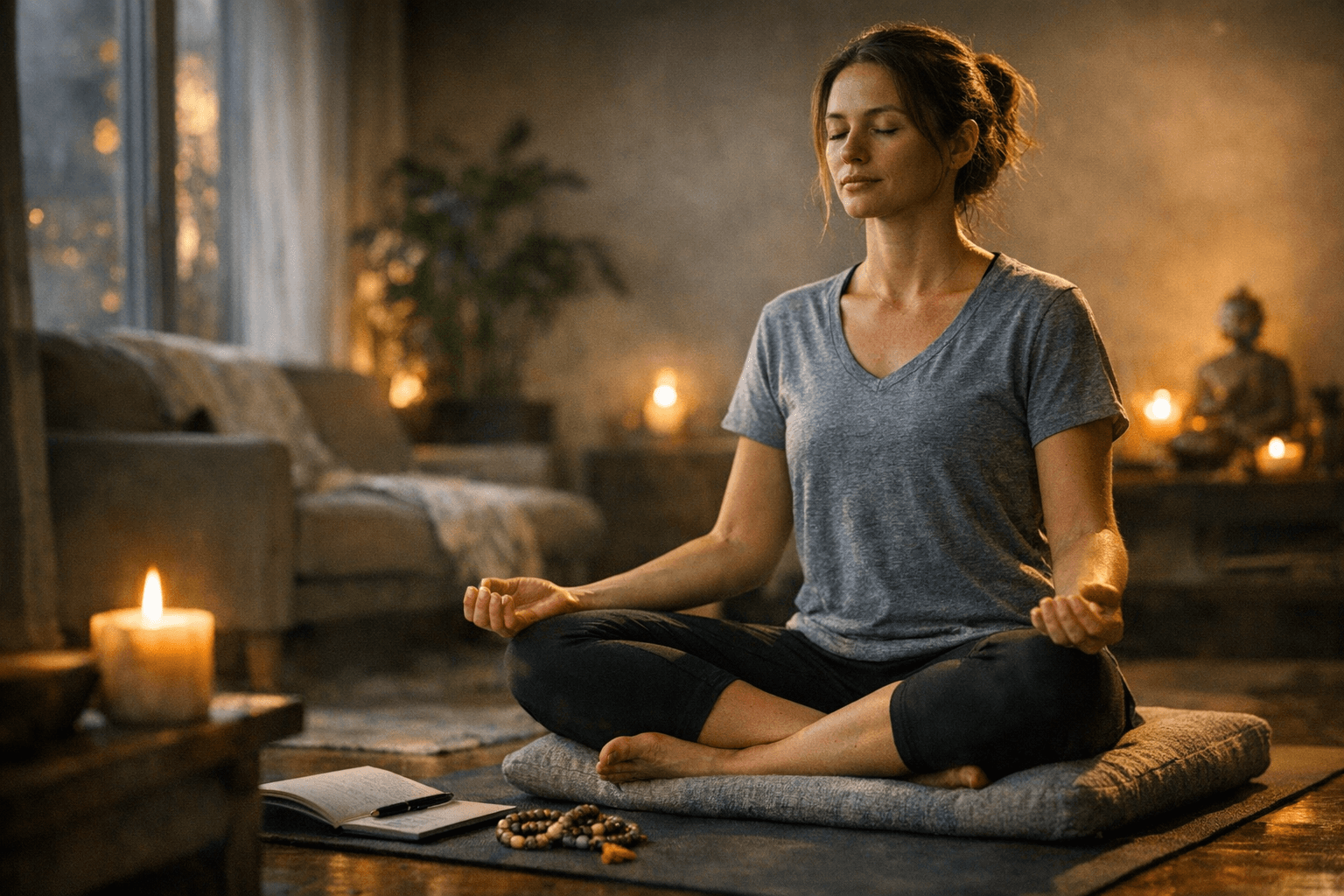
Expect and normalize mind-wandering. Wandering minds are not a sign of failure but the material of practice. Itching and discomfort are common; resist the reflex to react immediately. Label the urge, “itch,” “thought,” “planning”, and return to the breath. Eyes open or closed is largely a personal preference: eyes open can help with alertness and movement practices, while eyes closed can reduce external distractions during seated sits.
Make practice sustainable with pragmatic habit-building: start with short daily sessions, anchor practice to a trigger (after brushing teeth, on waking), use guided meditations when motivation falters, and track progress with simple logs or apps. For intermediate practitioners, graduated practice plans, moving from short guided sits to longer, silent periods, help deepen attention and non-reactivity.
The takeaway? Treat mindfulness as attention training rather than perfection. Begin with small, regular sits, choose an anchor, and accept the wandering mind as part of practice. Our two cents? Keep it short and kind at first; consistency beats intensity, and a gentle daily practice will change how you meet the day.
Know something we missed? Have a correction or additional information?
Submit a Tip