Beirut’s Dahiya stirs back to life after war and ceasefire
Damaged apartments and half-returned routines marked Dahiya’s uneasy thaw, even as displaced families stayed away and a new truce was already under strain.

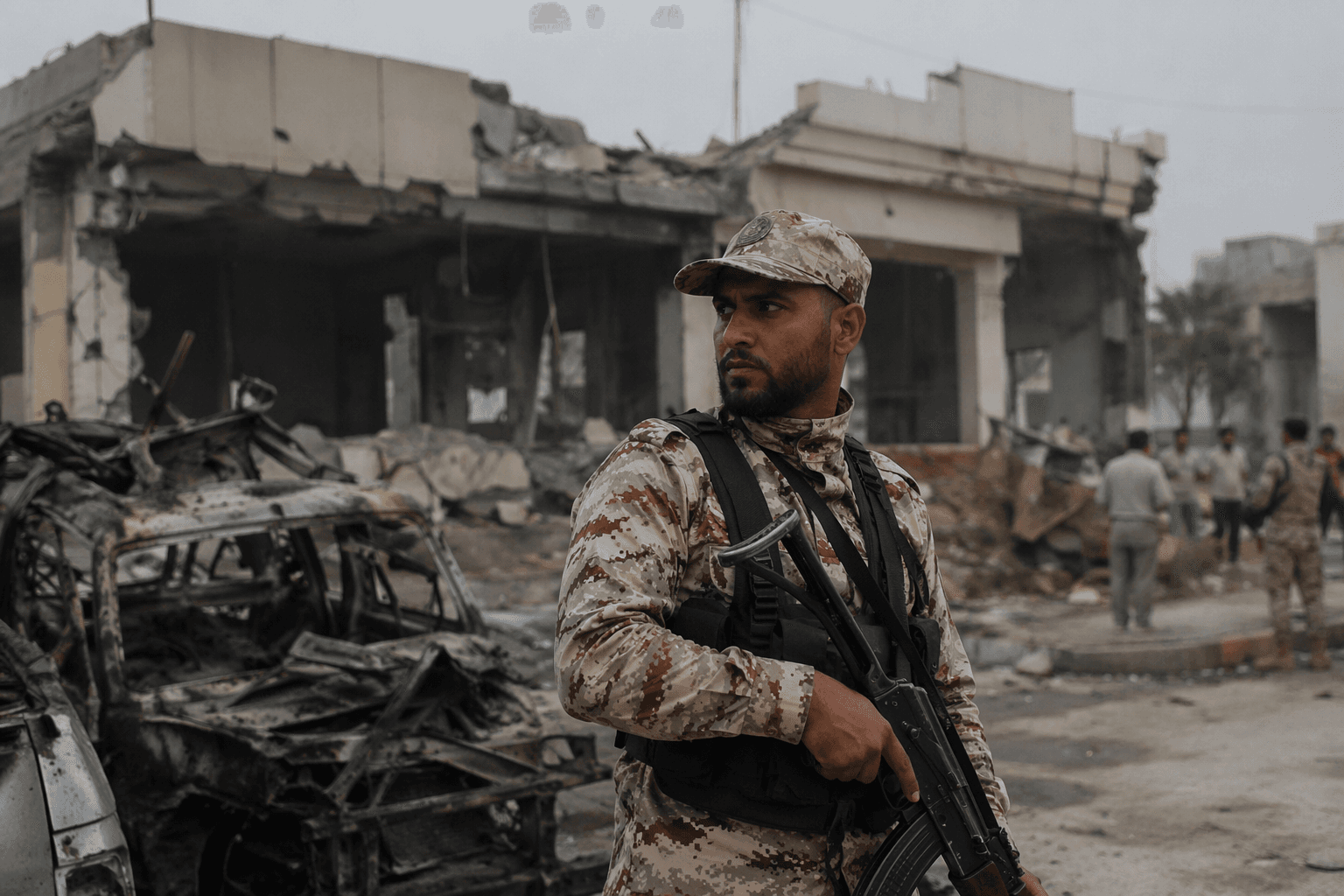
Damaged apartment blocks and residents picking through the aftermath of an Israeli strike gave Beirut’s southern suburbs a fragile, unsettled look as Dahiya began to stir back to life under a ceasefire that many still did not trust. In Dahiyeh, the area widely seen as a Hezbollah stronghold, the violence had left scars on homes and daily routines even after the guns went quiet.
Israel struck Beirut’s southern suburbs on June 7 and again on June 14, damaging apartments and sending residents fleeing, though some stayed in place through the fighting. Video from June 14 showed broken facades and people inspecting the damage, including one resident who said, “We stayed here and didn’t flee throughout the whole war.” The line captured the hesitation now shaping life there: fear did not disappear when the ceasefire took hold, and many families remained wary of returning to buildings or neighborhoods that had been hit.
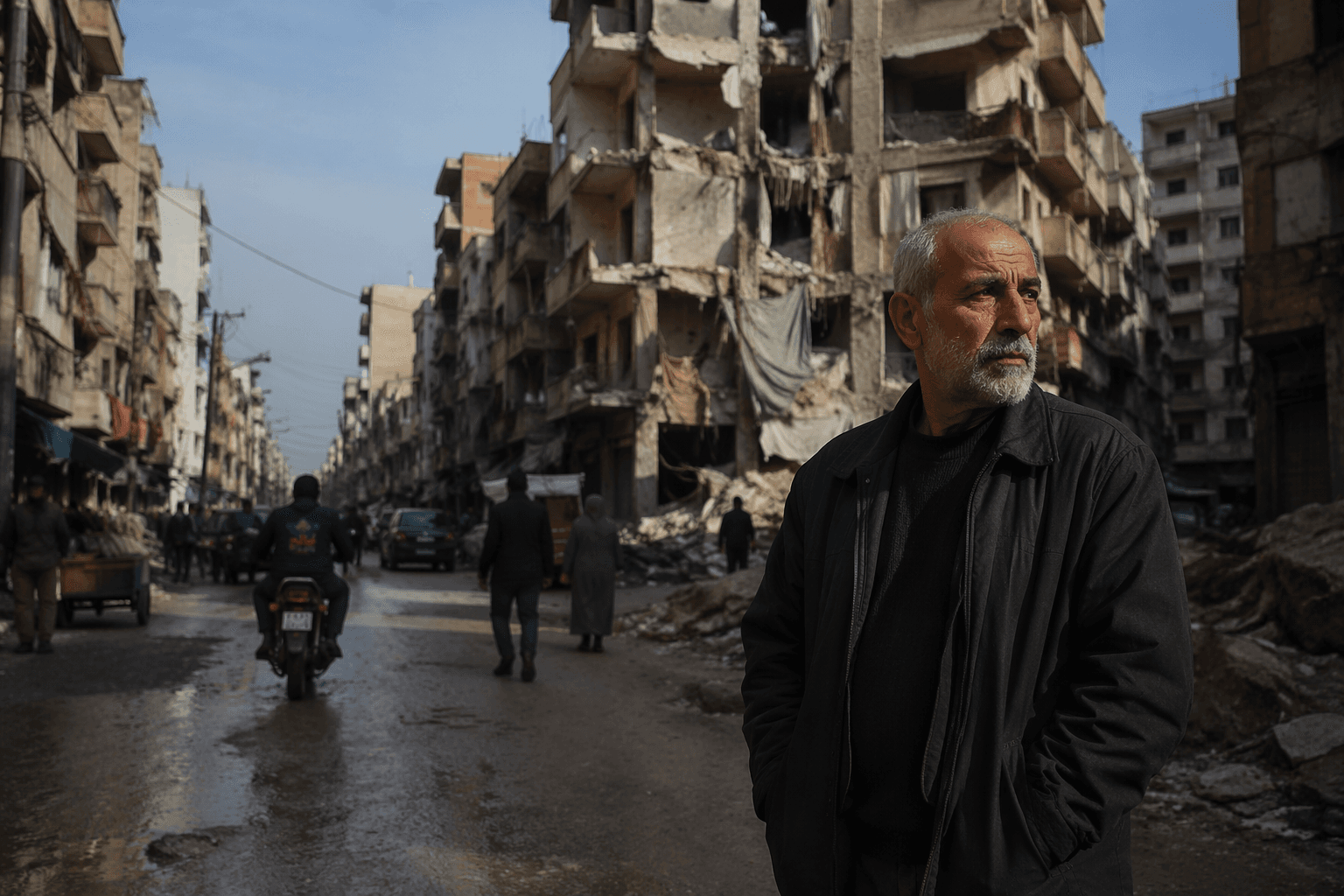
The latest escalation began on March 2, when Hezbollah fired at Israel and Israel launched a new military campaign. Lebanese authorities said more than 3,400 people had been killed in Lebanon since then, while Lebanon’s National Council for Scientific Research said more than 90,000 housing units had been damaged or destroyed across the country between March 2 and June 12. Even after the ceasefire largely held on June 22, many displaced people still could not go home because their houses were ruined, their districts remained unsafe, or access was still blocked.
That uneasy pause turned more complicated on June 26, when Israel, Lebanon and the United States signed a trilateral framework agreement in Washington aimed at paving the way to peace and tying the truce to Hezbollah disarmament. Hezbollah leader Naim Qassem rejected the deal the next day, calling it a surrender and saying it was null and void.
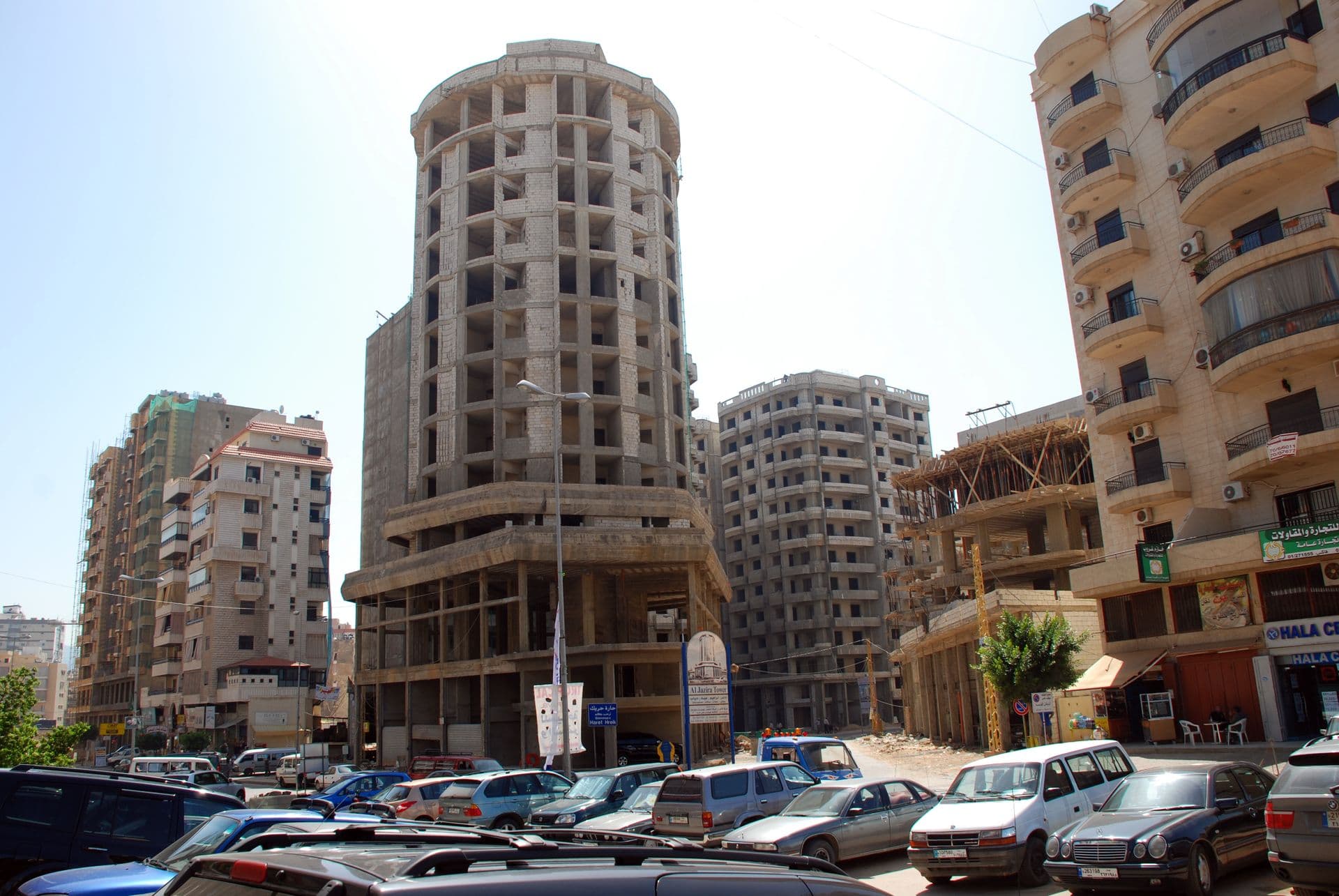
For Dahiya, the return of ordinary life is already inseparable from doubt. The district has long been a Hezbollah bastion and a symbol of Lebanon’s repeated cycles of war and reconstruction, and every reopened street and repaired doorway now doubles as a test of whether this ceasefire will hold long enough for residents to rebuild what the strikes took away.
This article was produced by Prism’s automated news system from verified source data, official records, and press releases, then run through automated quality and moderation checks before publishing. The system is built and supervised by the people who set the standards it runs under. Read our full AI policy.
Did this article answer your question?