U.S. investors gain access to Kazakhstan's vast tungsten reserves
Donald Trump Jr. and Eric Trump took stakes in a tungsten venture that opened Kazakhstan's biggest undeveloped deposit to U.S. investors. The project now sits at the center of conflict-of-interest scrutiny.
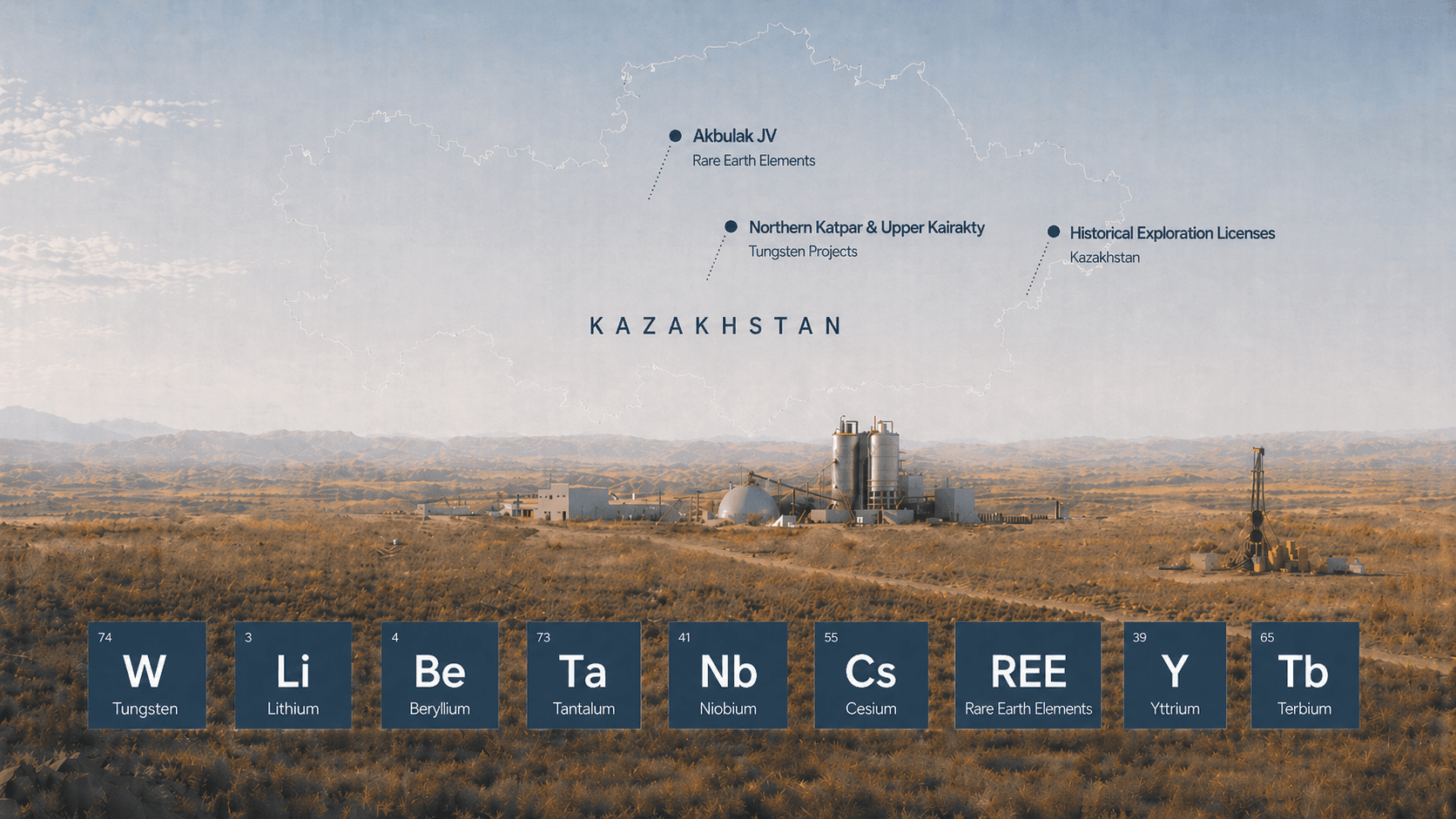
U.S. investors with ties to President Donald Trump and Commerce Secretary Howard Lutnick gained access to Kazakhstan’s Northern Katpar and Upper Kairakty tungsten deposits, a prize described as the largest known undeveloped tungsten resource in the world. The venture puts American capital into a mineral field long dominated by geopolitical competition, while raising new questions about who benefits when U.S. policy and private money move in the same direction.
The deal runs through Cove Capital, also identified as Cove Kaz Capital, and Kazakhstan’s state mining company Tau-Ken Samruk. In November 2025, Lutnick and Kazakhstan’s Minister of Industry and Construction, Yersayin Nagaspayev, signed a memorandum of understanding on critical minerals cooperation in Washington, with Kazakh President Kassym-Jomart Tokayev present. Kazakhstan and the United States cast the agreement as part of a broader effort to secure critical minerals and reduce dependence on China.
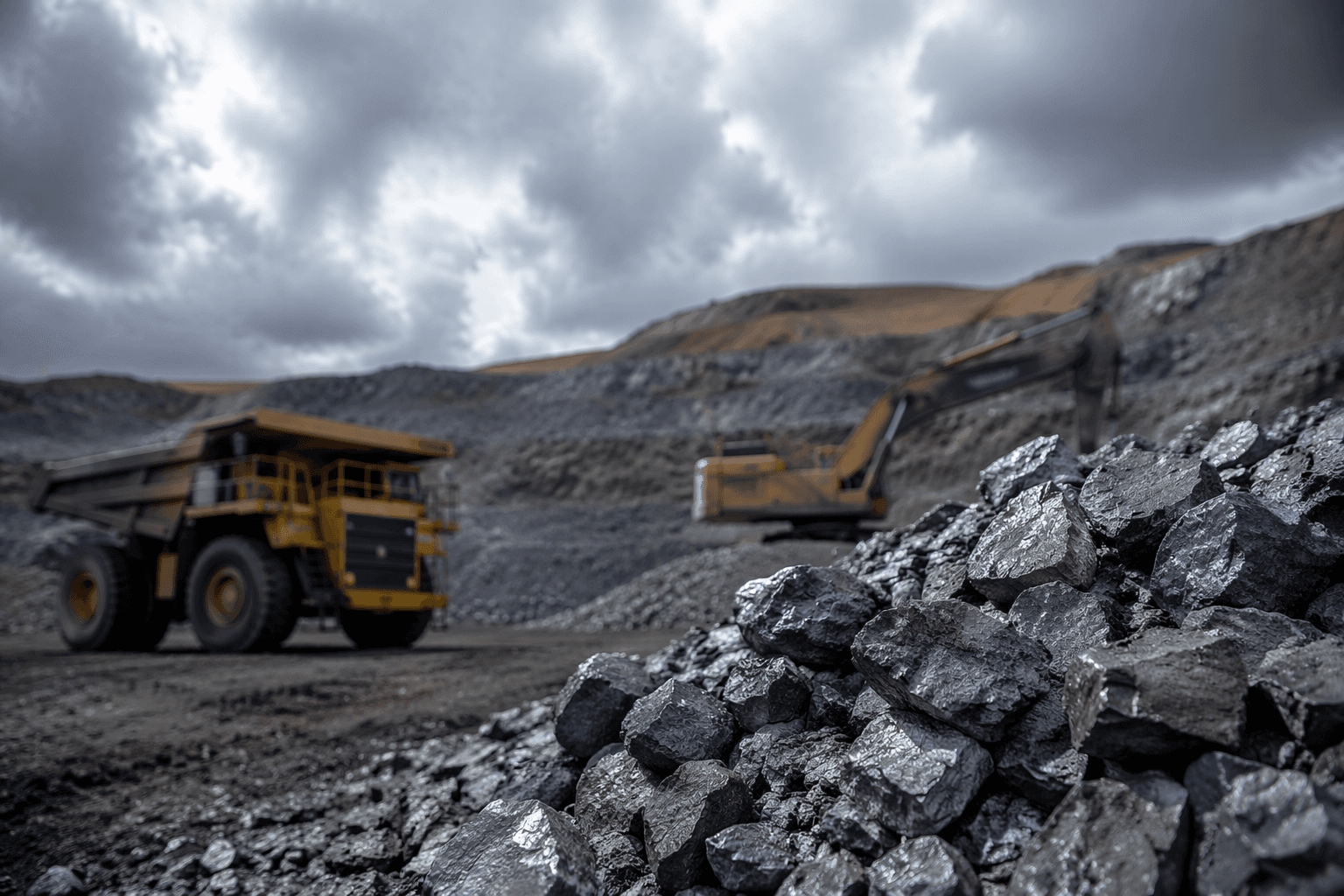
The stakes are high because tungsten is not a niche industrial input. The U.S. Geological Survey says tungsten has not been mined commercially in the United States since 2015, and its mineral summaries describe the metal as essential to cemented carbides used in metalworking, mining and construction. Its role extends into defense, aerospace and drilling, making supply control a strategic issue rather than a simple mining contract.
The political scrutiny centers on Donald Trump Jr. and Eric Trump, who acquired stakes in a company tied to the venture. The size of their investment was not publicly disclosed in the material at hand, but the timing sharpened conflict-of-interest concerns after the project won U.S. backing. Sen. Jon Ossoff has publicly attacked the arrangement and portrayed it as corrupt, arguing that the Trump family’s financial stake came just before the deal secured government support.
The broader project has also been described as receiving up to $1.6 billion in U.S. government-backed support. One estimate says it could produce 12,000 tonnes of tungsten a year, roughly 15 percent of current global production, giving the Kazakhstan deposits weight far beyond Central Asia. With China and Russia also competing for access to the region’s minerals, the venture has become a test case for whether U.S. critical-minerals policy is insulating supply chains or entangling public power with private gain.
This article was produced by Prism’s automated news system from verified source data, official records, and press releases, then run through automated quality and moderation checks before publishing. The system is built and supervised by the people who set the standards it runs under. Read our full AI policy.
Did this article answer your question?