Belarus ex-prisoner warns sanctions relief must follow rights reforms
Katsiaryna Andreyeva pressed Western governments in Geneva not to ease pressure on Minsk without rights reforms. She said Belarus’s March release of 250 prisoners did not end repression.
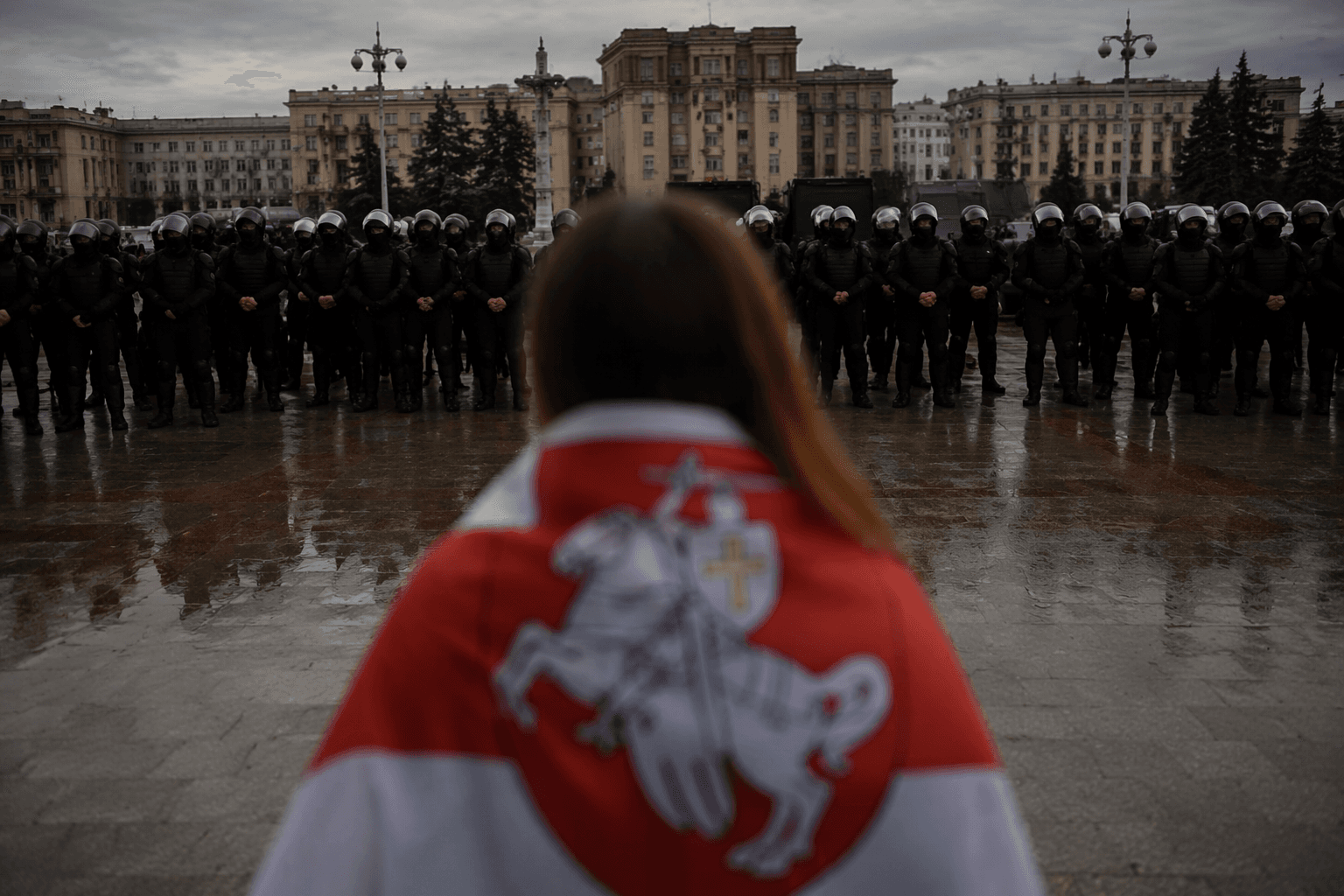
Katsiaryna Andreyeva used a Geneva appearance to argue that Western governments should not ease sanctions on Alexander Lukashenko’s government unless Belarus delivered measurable human-rights gains. The former political prisoner said the March release of 250 prisoners had not ended the country’s repression, even as it opened the door to talk of normalising ties and reducing pressure on Minsk.
The March 19 deal was brokered by the United States. Washington agreed to ease sanctions on Belarus’s financial sector, including Belinvestbank, and removed remaining U.S. sanctions on potash exports in exchange for the releases. Reuters said 235 of the freed prisoners stayed in Belarus and 15 were sent to Lithuania, a split that underscored how tightly the government continued to control the process.
Andreyeva’s own case has long symbolized that system. A journalist, she was sentenced to eight years in prison for treason in July 2022. Her husband, Ihar Ilyash, remained detained, adding to the sense that the crackdown reached far beyond one high-profile release. Her presence in Geneva put a human face on the question now confronting Western policy makers: whether partial concessions should be rewarded before the broader machinery of detention and punishment changes.
Rights groups said that machinery was still active. Amnesty International said the March release included Marfa Rabkova, Nasta Loika and Valiantsin Stefanovich, but warned that further reprisals, including arrests and imprisonment, were still being observed. Human Rights Watch said former political prisoners who stayed in Belarus after release were harassed through regular checks and new criminal charges, and that many were forced out of the country.
The United Nations human-rights office added to the pressure in April and June. UN experts warned about prolonged solitary confinement, disciplinary sanctions and physical punishments in Belarusian colonies, and later raised alarm over continued detention, alleged ill-treatment and denial of adequate medical care for imprisoned Belarusians, including detainees at Navapolatsk Colony.
The scale of the crackdown remained severe. Amnesty said Belarus had 1,144 political prisoners as of February 20, 2026. The Committee to Protect Journalists said Belarus was the world’s fifth-worst jailer of journalists in December 2025, with at least 25 behind bars, and later said at least 26 journalists were imprisoned by late March 2026. CPJ also said four journalists were sentenced in March alone.
Belarus has already seen repeated prisoner-for-relief bargains. Human Rights Watch said 227 political prisoners were released in the second half of 2024, and 123 more were freed in December 2025 after U.S.-led negotiations over potash sanctions. Andreyeva’s warning in Geneva landed against that record, where each release has widened diplomatic space without ending the arrests, treason cases and punitive detention conditions that keep Belarus under pressure.
This article was produced by Prism’s automated news system from verified source data, official records, and press releases, then run through automated quality and moderation checks before publishing. The system is built and supervised by the people who set the standards it runs under. Read our full AI policy.
Did this article answer your question?