EU seeks compromise on Bosnia peace envoy after stalemate
Brussels is racing to end a deadlock over Bosnia’s peace envoy as Kaja Kallas warns the country has already lost 108 million euros and more funds are at risk.
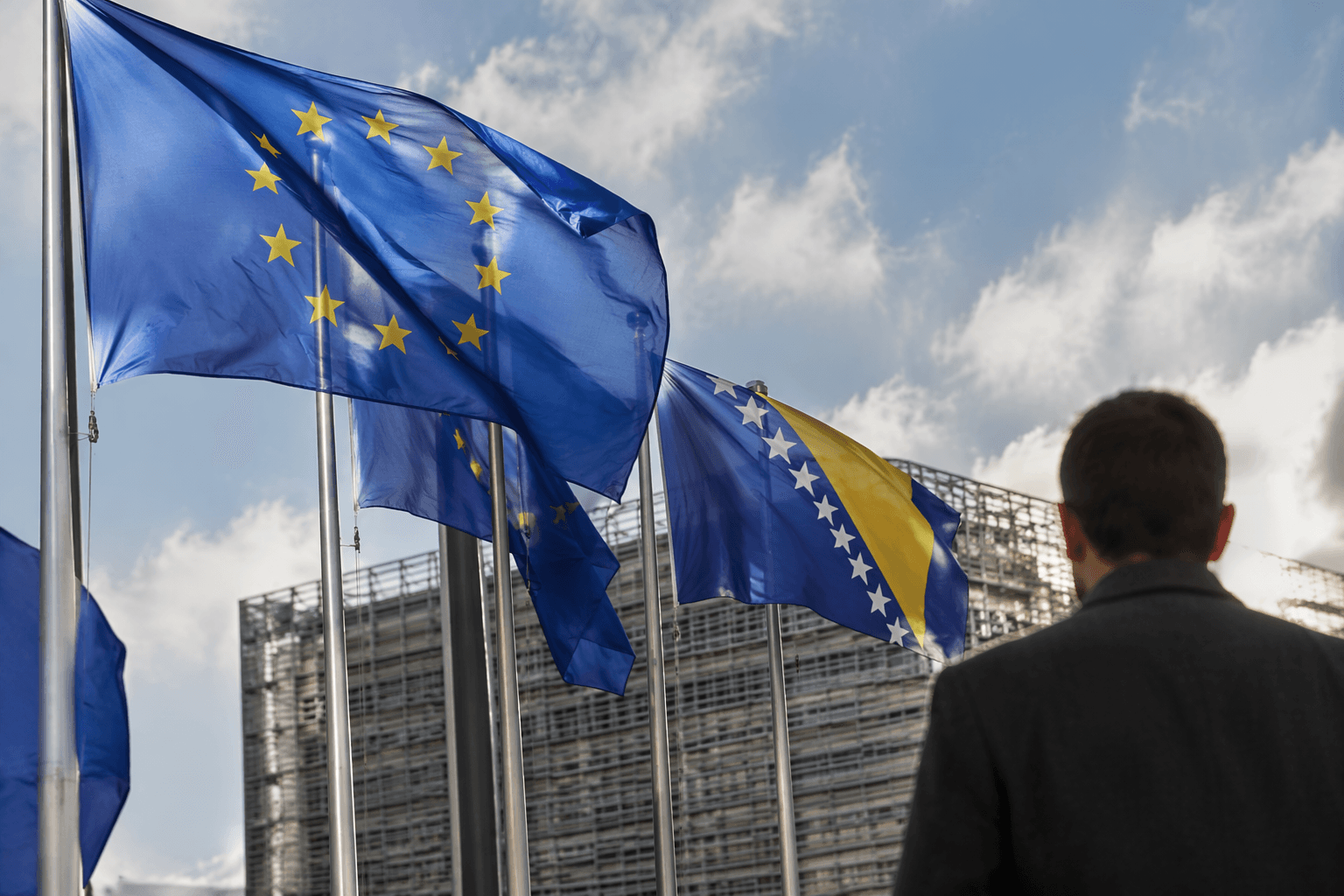
Kaja Kallas said in Sarajevo on July 2 that the European Union was determined to find a strong European candidate for Bosnia and Herzegovina’s peace envoy post, pressing to break a stalemate that has left the office in limbo. She met Bosnia’s foreign minister, Elmedin Konaković, on July 1 and also held talks with the Bosnian Presidency and other political leaders during a two-day visit, underscoring how central the dispute has become to Brussels’ Bosnia policy.
The post, formally the high representative, was created by Annex 10 of the 1995 Dayton Peace Accords, which were initialed on November 21, 1995 and signed in Paris on December 14, 1995. It was designed to oversee civilian implementation of the peace settlement that ended Bosnia’s war, and the office still carries unusual authority, including the power to remove public officials and impose laws. Those powers remain contentious, especially among Republika Srpska leaders, who have long rejected the scope of international oversight.

The current fight centers on who should replace German diplomat Christian Schmidt, who resigned unexpectedly in May after saying he was under enormous U.S. pressure. The acting high representative, Louis Crishock, is set to remain in place until a new envoy is appointed by July 14 at the latest. The Peace Implementation Council, the 55-country and agency body that appoints the high representative, met in Sarajevo on June 3 and 4, and choosing the next envoy was one of the main items on the agenda.

Kallas tied the deadlock directly to Bosnia’s European path, saying the country’s stability, sovereignty and territorial integrity are strategically important to the EU. Bosnia has stalled on reforms because of political blockades and has already lost 108 million euros from the bloc’s growth plan, with another 370 million euros at risk unless it advances the required changes. The European Commission cut Bosnia’s indicative allocation by 10 percent, from 1.085 billion euros to 976.6 million euros, after missed reform obligations. The wider EU Growth Plan for the Western Balkans is backed by a 6 billion euro Reform and Growth Facility for 2024 to 2027.
For Brussels, the envoy dispute is more than an institutional quarrel. Bosnia still depends on international supervision three decades after a war that killed tens of thousands, and a prolonged impasse would leave the EU struggling to show it can still manage security, governance and ethnic tension in one of Europe’s most fragile states.
This article was produced by Prism’s automated news system from verified source data, official records, and press releases, then run through automated quality and moderation checks before publishing. The system is built and supervised by the people who set the standards it runs under. Read our full AI policy.
Did this article answer your question?


