Belfast unrest erupts after Sudanese man charged in knife attack
Hundreds of anti-immigrant protesters filled Belfast after a Sudanese man was charged in a stabbing that left one person with serious neck and head wounds.
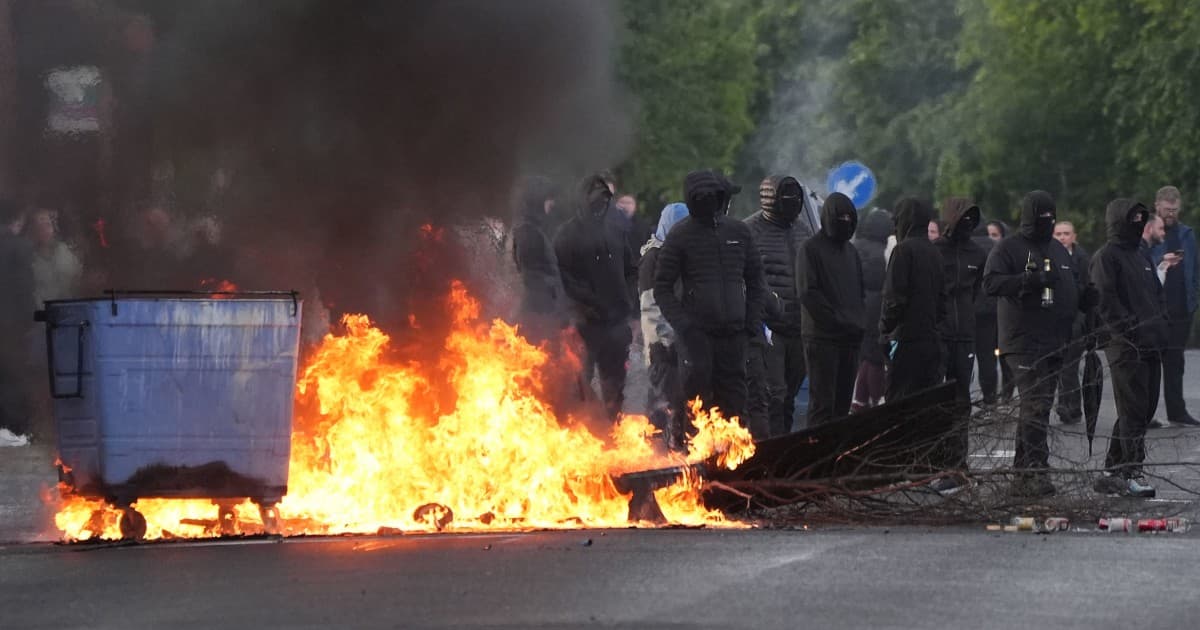
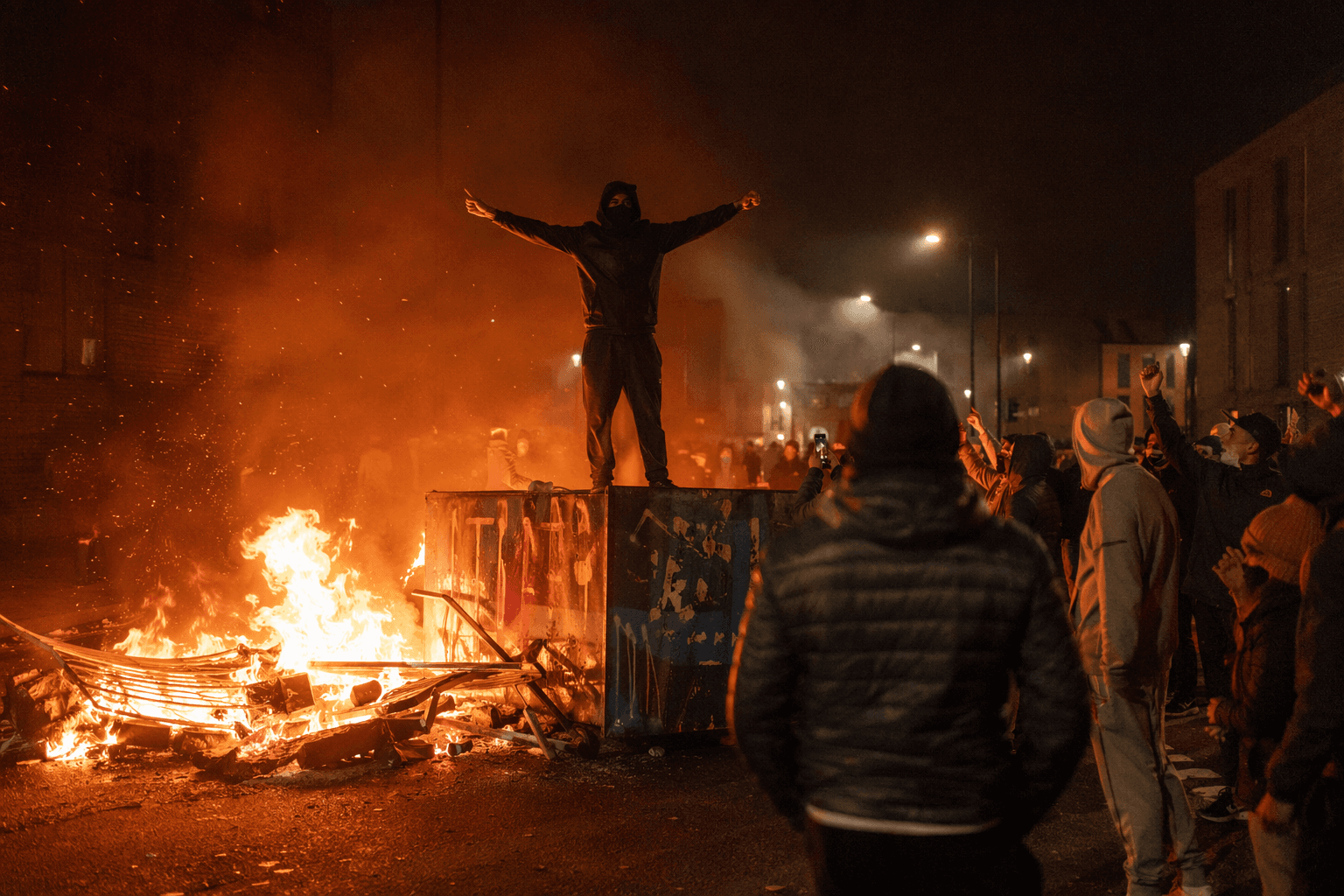
Belfast was jolted into a new round of unrest after hundreds of anti-immigrant protesters took to the streets and some set vehicles alight following the charging of a 30-year-old Sudanese man in a knife attack. The violence, which spread through east Belfast, added an explicitly anti-immigrant edge to a city long shaped by sectarian division and still marked by peace walls.
Police said the victim suffered serious neck and head wounds, and the accused man was charged with attempted murder. Later reporting said he was also charged with possession of an article with a blade or point in a public place and making threats to kill. He was due to appear in court on Wednesday, and police said they were not seeking anyone else in connection with the investigation.
The attack quickly became a rallying point online. Graphic video showing parts of the assault and its aftermath was widely shared on social media, helping fuel public fury and calls for anti-immigration protests across Northern Ireland. Far-right figures online were linked to appeals for people to gather, and officials warned the reaction risked hardening into a wider campaign of intimidation.
On the streets, the disorder turned destructive. Burning bins were pushed into a Glider bus in east Belfast, a bus was set on fire and vehicles and homes were burned. Residents reported loud bangs as burning tyres exploded, underscoring how fast the protest movement spilled from anger into open violence.
The unrest drew immediate political condemnation. Prime Minister Keir Starmer called the stabbing “sickening,” while Northern Ireland leaders appealed for calm. The Police Service of Northern Ireland urged people not to share the video, saying it was not needed for the investigation and that the footage was helping inflame tensions rather than inform the public.
The scale of the unrest has raised fears of a repeat of the anti-immigrant intimidation seen in Northern Ireland last summer. In Belfast, where the legacy of civil conflict still shapes neighborhoods and public space, the protests reflected more than outrage over one attack. They exposed how quickly a single violent incident can be turned into a flashpoint for organized anti-immigrant mobilization, with online misinformation and political agitation feeding off older fault lines in the city.
This article was produced by Prism’s automated news system from verified source data, official records, and press releases, then run through automated quality and moderation checks before publishing. The system is built and supervised by the people who set the standards it runs under. Read our full AI policy.
Know something we missed? Have a correction or additional information?
Submit a Tip