U.S. vows response after helicopter downed near Strait of Hormuz
A claimed shootdown of a U.S. Apache near the Strait of Hormuz has raised fears over troops, tankers and oil prices. Washington says it must respond.

The president’s warning after Iranian forces allegedly shot down a U.S. Apache helicopter near the Strait of Hormuz has pushed the crisis toward a larger test of U.S. resolve. By saying the United States "must, of necessity, respond to this attack," he raised the prospect of another American strike and of a faster escalation cycle that could move well beyond a single act of retaliation.
That matters because the Strait of Hormuz is not just another flash point. It is one of the world’s most important energy chokepoints, and any military action there immediately raises questions about the safety of American troops, the security of commercial shipping and the flow of oil to global markets. Even a limited clash in the area can ripple outward through tanker traffic, insurance costs and trader expectations, with the sharpest pressure often showing up first in crude prices.
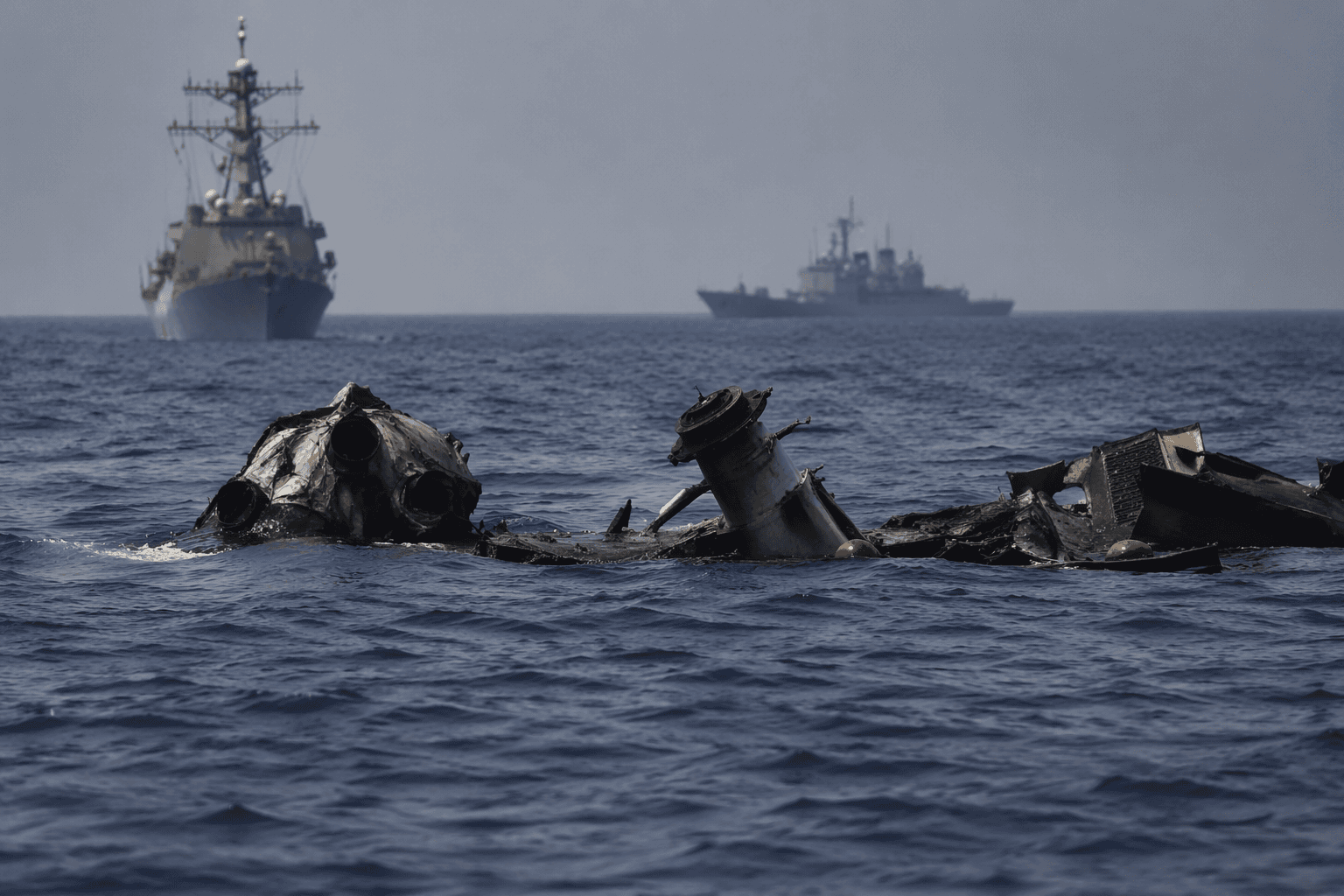
The immediate danger is that a response could trigger a second response. If Iran judges that Washington’s answer is too weak, it may try to signal defiance with another attack on aircraft, naval assets or regional bases. If the United States goes too far, it risks turning a single helicopter incident into a broader confrontation that could threaten the narrow sea lane where the world’s energy system is especially vulnerable.
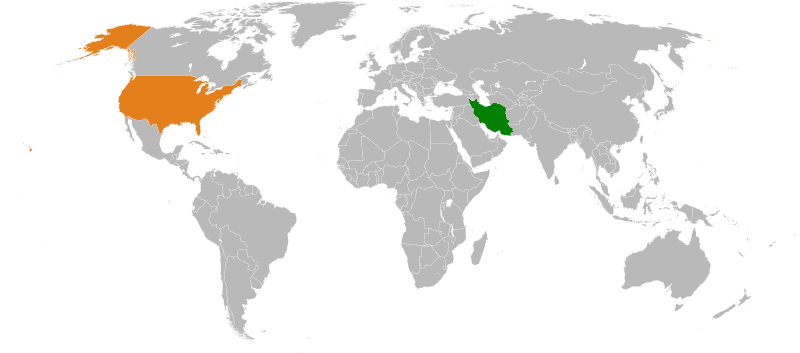
The administration’s next step will also have to clear a legal and strategic bar. Any retaliation will need to be framed not only as punishment, but as deterrence: a way to protect American forces and keep the Strait open without drawing the United States into a wider war. That balance is difficult in the Gulf, where the margin for miscalculation is small and the economic stakes are large. A strike meant to restore deterrence could instead convince markets and allies that the region is heading into another round of instability.
This article was produced by Prism’s automated news system from verified source data, official records, and press releases, then run through automated quality and moderation checks before publishing. The system is built and supervised by the people who set the standards it runs under. Read our full AI policy.
Know something we missed? Have a correction or additional information?
Submit a Tip