Belgium approves Tesla's supervised Full Self-Driving software nationwide
Belgium cleared Tesla’s supervised Full Self-Driving in Flanders, making it the fifth EU country to allow the system and extending a tightly controlled rollout.
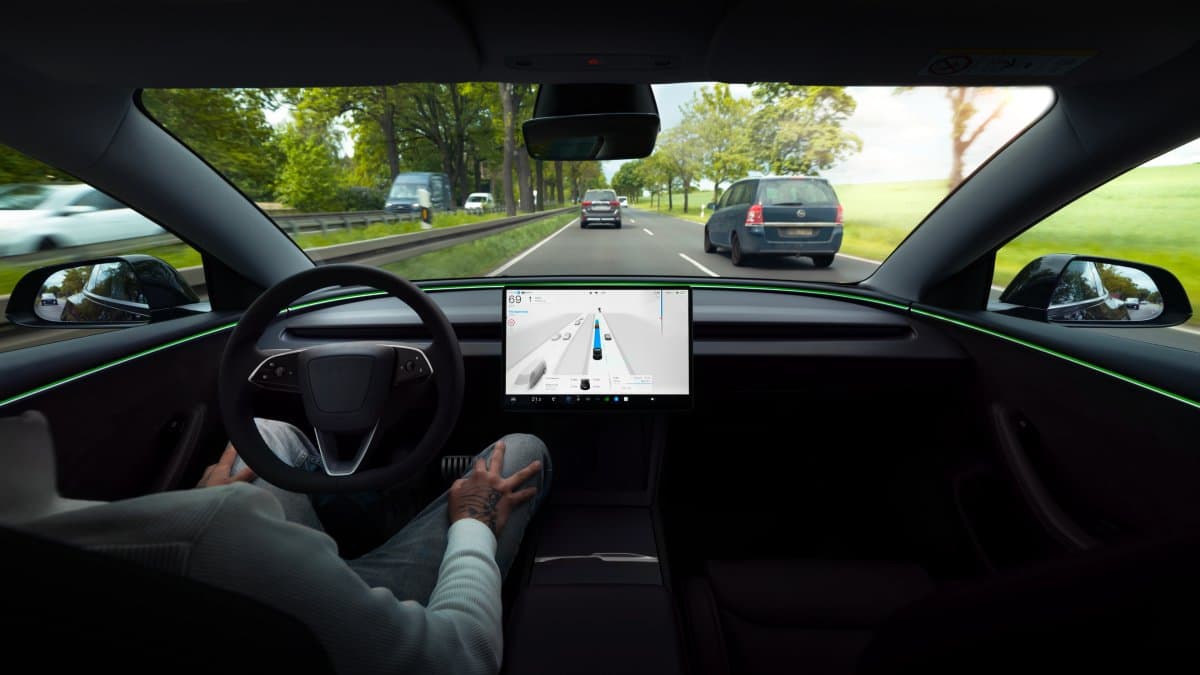
Belgian authorities have opened the door to Tesla’s supervised Full Self-Driving software across the country after Flanders approved the system and, under Belgian rules, a regional authorization became valid nationwide. Annick De Ridder, the Flemish transport minister, announced the decision on June 10 and posted a signed approval document online, marking a regulatory step that could widen Tesla’s reach in Europe.
The approval does not amount to full autonomy. Belgian and regional officials described the software as a driver-assistance system that still requires a human behind the wheel who can take over at any moment and remains responsible for the car’s operation. Steven Latré of imec said the system was effectively “98 percent” autonomous, but warned that the car detects when the driver is no longer watching the road and shifts into a more manual mode.
Belgium is now the fifth EU country to approve Tesla’s FSD supervised driver-assistance software, following the Netherlands, Lithuania, Estonia and Denmark. That sequence matters because Europe has moved more cautiously than the United States in authorizing automated-driving features, relying on national regulators, local testing and legal definitions that keep liability tied to the driver rather than the software.
The Belgian decision came after Tesla carried out a series of tests in the country. Those tests began only the previous month, but Flemish authorities were able to draw on data already gathered by the Dutch RDW, which shortened the Belgian review. The Dutch approval process had involved 13,000 test drives and 1.6 million kilometers of driving on European roads, giving regulators a substantial body of real-world evidence to compare against Belgian road layouts and traffic rules.
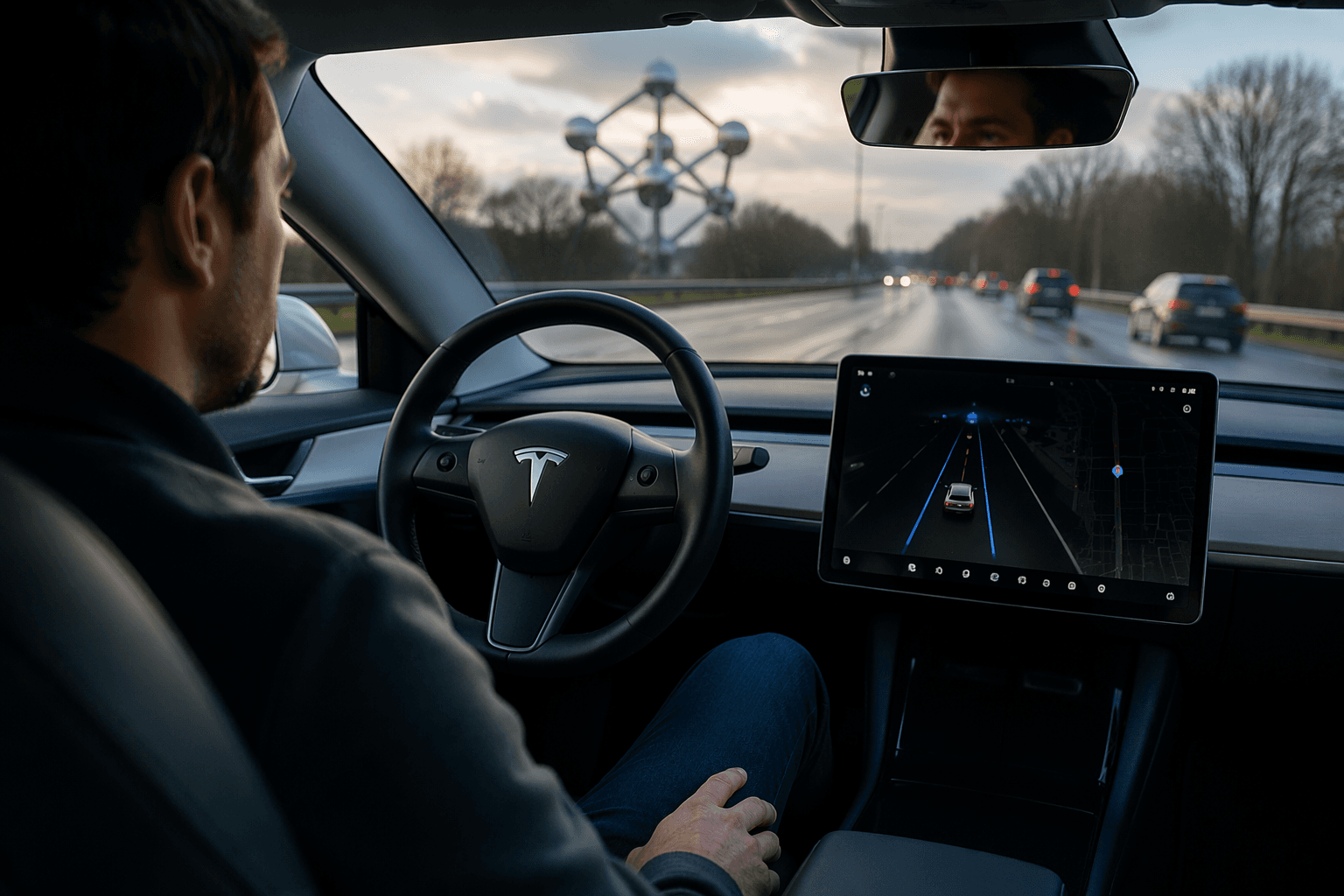
The broader European legal framework is also shifting. The European Commission says the revised General Safety Regulation was adopted on November 27, 2019 and has applied since July 6, 2022, creating a legal basis for driverless and automated vehicles in the EU. On March 3, 2026, the commission adopted implementing rules that updated type-approval procedures for automated driving systems, a sign that Brussels is trying to standardize oversight even as national approvals remain the immediate gatekeeper.
For Tesla, the Belgian move is a commercial foothold and a regulatory signal. For European policymakers, it is a reminder that supervised autonomy is advancing only within strict boundaries, with regulators still deciding whether they are validating a proven system or allowing a tightly constrained trial under close supervision.
This article was produced by Prism’s automated news system from verified source data, official records, and press releases, then run through automated quality and moderation checks before publishing. The system is built and supervised by the people who set the standards it runs under. Read our full AI policy.
Know something we missed? Have a correction or additional information?
Submit a Tip

