Theker raises $85 million to build reconfigurable factory robots
Theker says its reconfigurable robots can swap hands, arms and form for different factory jobs, and investors just put $85 million behind the idea.
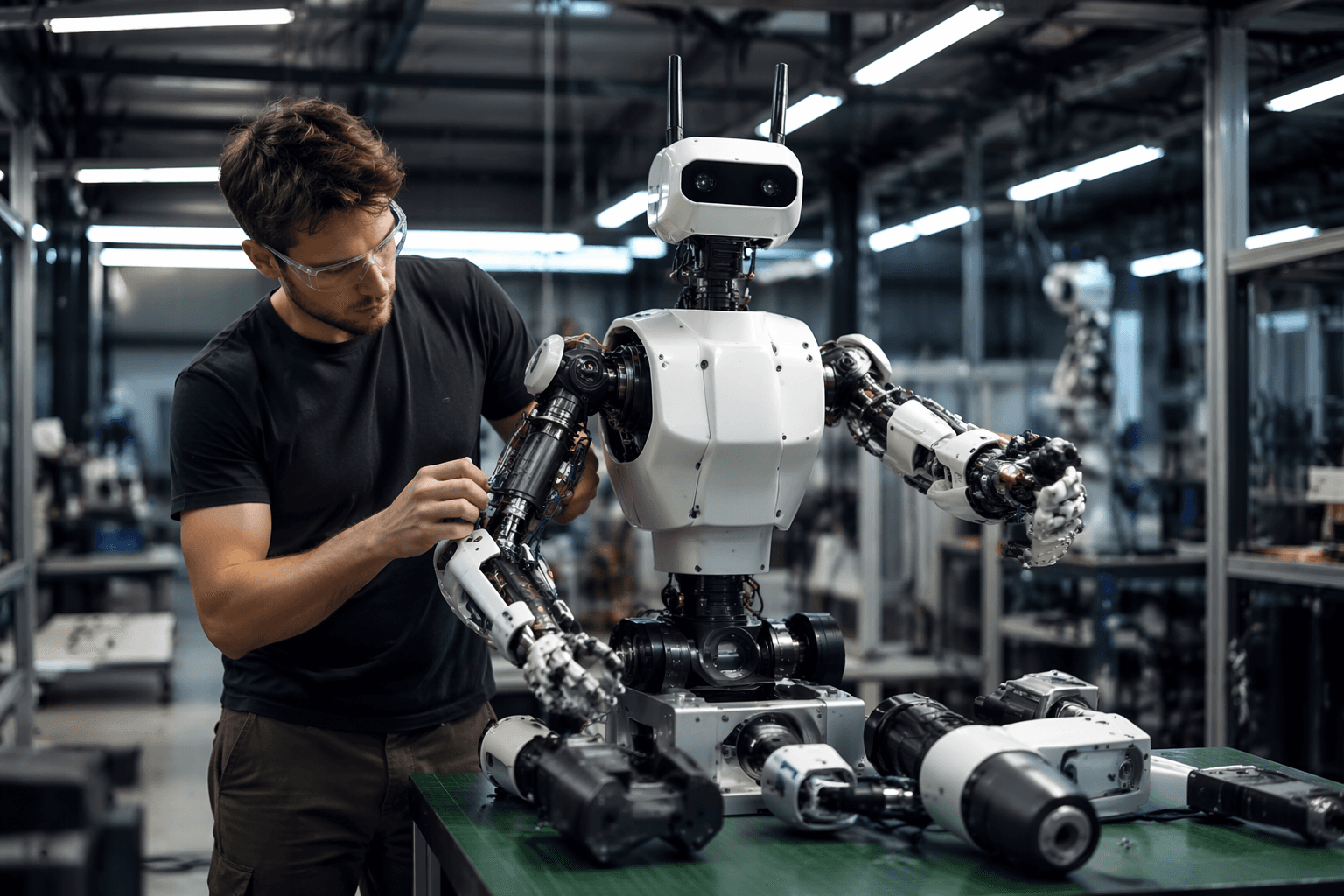
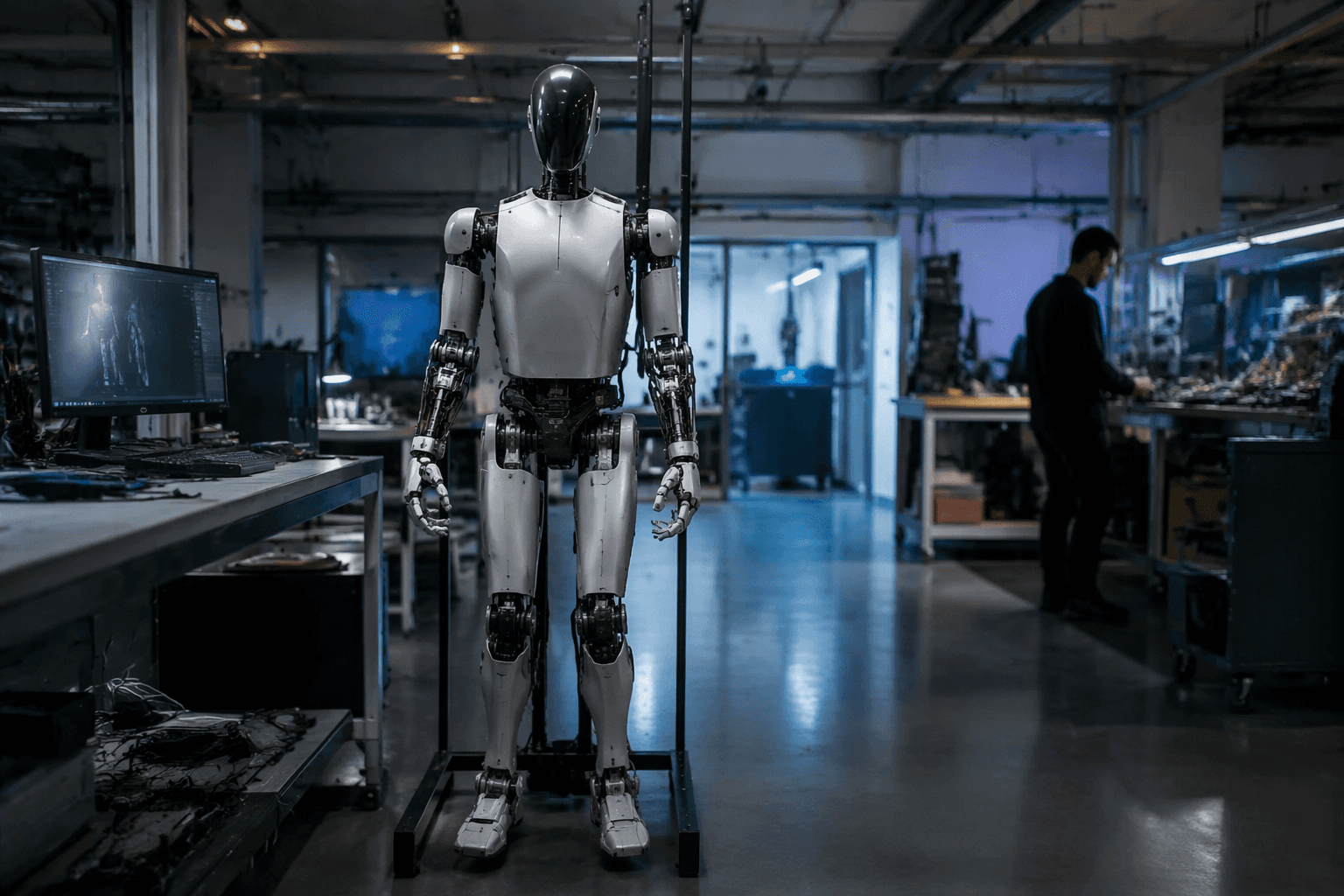
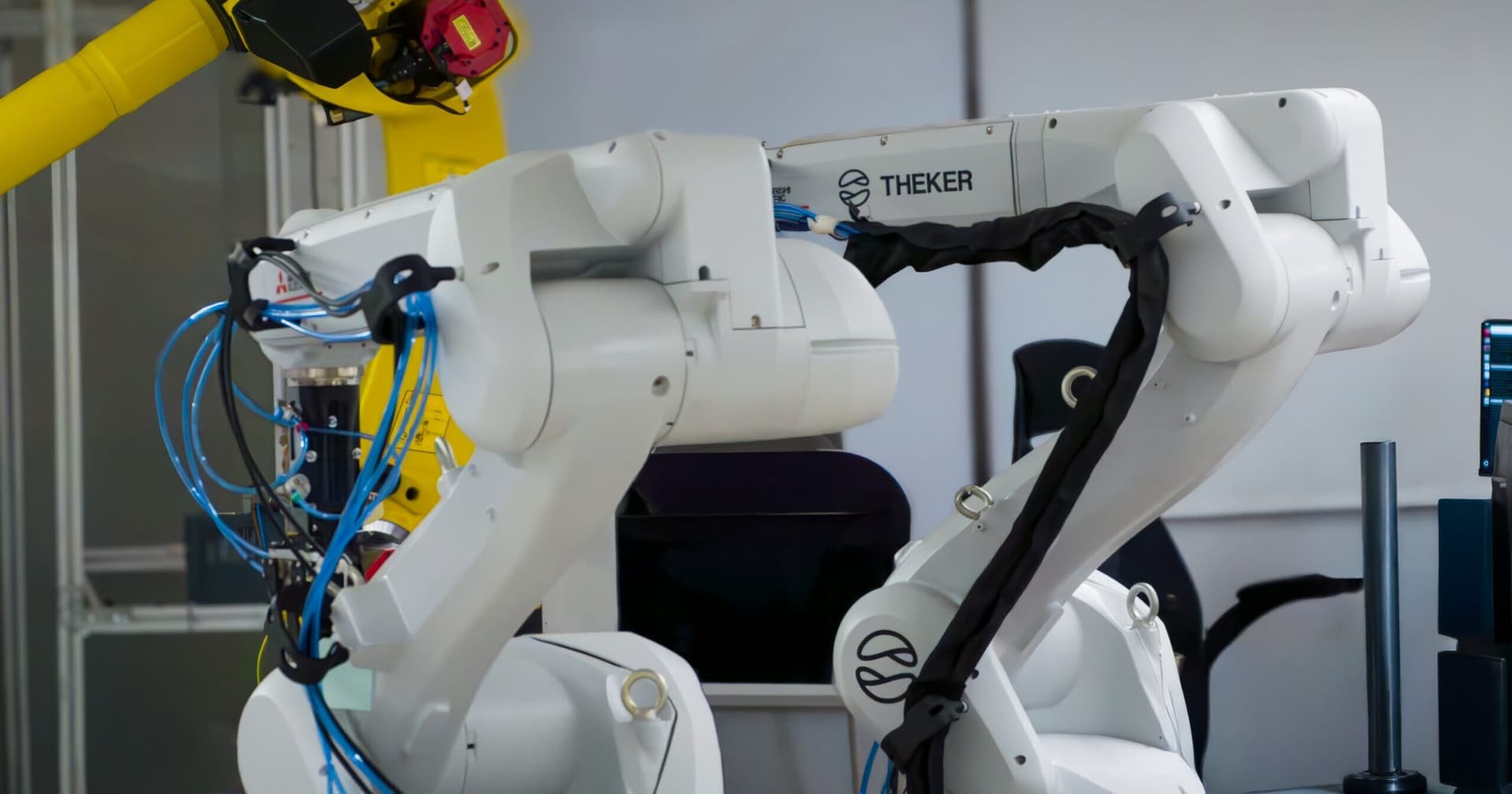
Theker is betting manufacturers will pay for one robot platform that can be reshaped for many jobs, not fleets of machines built for a single task. The Barcelona startup said its machines can change hands, arms and overall form to move from sorting packages to packing clothing to handling bottles and cans, a design meant for work that changes too often for rigid automation to keep up.
The company announced the $85 million Series A on June 11, 2026, and says it is Europe’s largest robotics Series A ever. CRV led the round, with Samsung and Aglaé Ventures joining in a vote of confidence in a business model that pushes beyond the warehouse demo stage and into live industrial use.
That pitch goes straight at a practical problem in factory economics. Single-purpose automation can be efficient when the same item moves down the same line every day, but product mix changes, retooling costs and labor shortages make that model hard to scale across messy operations. Theker’s answer is to build reconfigurable systems that can be adapted as tasks shift, rather than forcing manufacturers to buy a new robot each time the line changes.
Founded in 2022 by Carla Gómez Cano and Jiaqiang Ye Zhu, Theker emerged from engineering studies at the Universitat Politècnica de Catalunya in Barcelona. Gómez Cano has described her own background as industrial electronics and automatic control engineering, and later added a master’s degree in taxation. Zhu and Gómez Cano also helped build the PUCRA robotics association at the university, giving the company a technical base before it entered the market.
The startup says it is already deployed in live production environments across Europe and operates on a robotics-as-a-service model, so customers pay for the service rather than buying the machines outright. Gómez Cano said Theker did not set out to “run pilots,” preferring to go directly to logistics and operations teams. The company now has a showroom in central Barcelona and plans more as it expands across Europe, the United States and Asia.
Theker’s earlier financing round, about $21 million, was widely described as Spain’s largest seed round at the time. Backers included Kibo Ventures, Kfund, JME, Itnig, Mission, s16vc and Mundi Ventures, alongside strategic involvement tied to Inditex, the parent of Zara. That early support matters because it suggests the company’s first traction came in retail and logistics before it aimed higher at manufacturing, where scale and complexity raise the stakes.
Samsung is not yet a customer, Gómez Cano said, but discussions are advanced. The startup said it has already received 15,000 job applications and could grow from dozens of employees to as many as 120 by the end of 2026. With Apptronik, Figure and Mind Robotics all drawing major rounds, investors are still pouring money into industrial automation, even as the hardest question remains whether factories want one adaptable platform more than a stable of specialist machines.
This article was produced by Prism’s automated news system from verified source data, official records, and press releases, then run through automated quality and moderation checks before publishing. The system is built and supervised by the people who set the standards it runs under. Read our full AI policy.
Did this article answer your question?