Beltrami County resources and emergency contacts for survivors of abuse
If you are in danger, call 911 now; this guide walks Beltrami County survivors through immediate steps, local offices to contact, and long‑term help in Bemidji and on Leech Lake.
1. Immediate danger: call 911 first
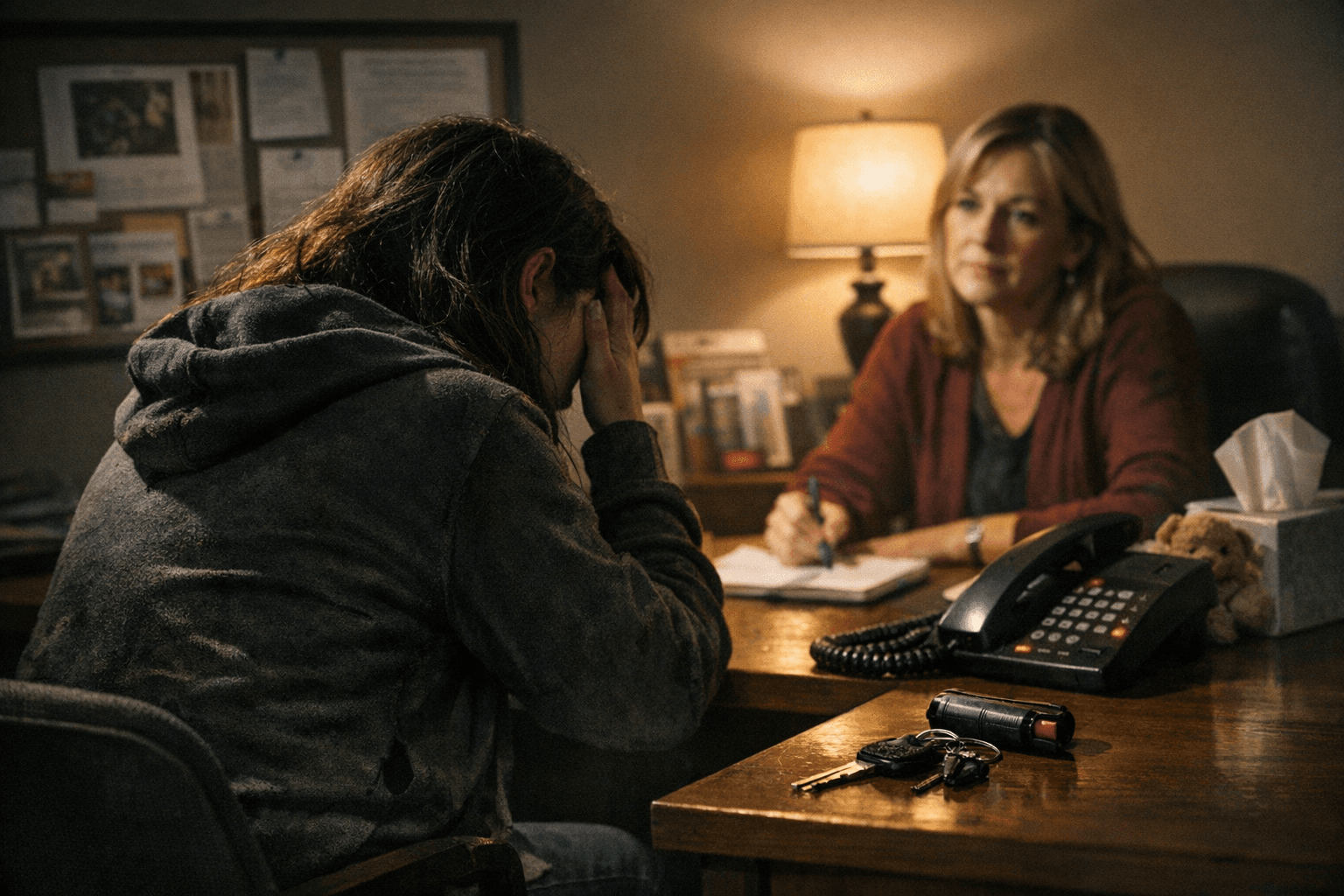
If you are in immediate physical danger, call 911 right away. Emergency dispatch will connect you to local first responders — Bemidji Police Department, the Beltrami County Sheriff’s Office, or tribal public safety — depending on jurisdiction and location. Tell the dispatcher your location, whether anyone is injured, and any weapons involved; if you cannot speak safely, follow dispatcher instructions for silent or text reporting.
2. Emergency medical care and forensic exams
Go to the nearest emergency department for injuries, trauma care, and to preserve evidence. In Beltrami County, Bemidji’s hospital emergency departments serve as the first point of care for many survivors; request a sexual assault forensic exam (often called a SANE exam) if you have been sexually assaulted. You do not have to decide about reporting to police before seeking medical care; hospitals can provide exams, treatment for injuries, STI prophylaxis, and emergency contraception while protecting your right to confidential care.
3. Local law enforcement and how they respond
Contact the Beltrami County Sheriff’s Office or Bemidji Police Department for criminal matters, restraining orders in progress, and documentation of assaults. Law enforcement can take a report, help with immediate separation from an abuser, make arrests when probable cause exists, and coordinate with prosecutors and victim services. If an incident occurred on reservation land, contact the Leech Lake Band public safety or tribal police — tribal authorities have jurisdiction on tribal lands and offer culturally specific response options.
4. County victim services and advocacy
Beltrami County’s victim assistance units can help survivors navigate reporting, court processes, safety planning, and access to shelter and benefits. Advocates provide accompaniment to medical exams, court hearings, and police interviews, and they can explain emergency protection orders and compensation resources. If you prefer confidential, non‑law enforcement support first, ask for a victim advocate or crisis counselor through county social services or the local domestic violence program.
5. Shelter and emergency housing options
If you must leave a dangerous home, emergency shelter and transitional housing programs in and around Bemidji can provide immediate safety, food, and case management. Shelters maintain confidentiality about locations for survivor safety; advocates can arrange transportation, intake, and connections to longer‑term housing assistance. Ask victim services about eligibility for county emergency housing funds or state crisis shelter vouchers.
6. Protection orders, courts, and legal steps in Beltrami County
You can petition the Beltrami County Courthouse for an Order for Protection or Harassment Restraining Order to legally restrict contact with an abuser. Court staff or a county victim advocate can explain temporary and full orders, what evidence is useful for court, and how to request emergency ex parte relief when you cannot safely wait for a hearing. If you face deadlines or need immediate legal advice, ask about on‑site court advocates or referrals to legal aid.
7. Child protection and safety for children
If children are involved or at risk, contact Beltrami County Child Protection Services to report abuse or neglect and to request immediate safety planning. Child protection workers investigate allegations, assess danger, and coordinate with law enforcement and family courts to protect minors. Advocates can guide you through options for guardianship, supervised visitation, and emergency placement if needed.
8. Tribal resources and culturally specific support
Survivors who are members of or live on Leech Lake Band territory should contact Leech Lake Band Health & Human Services and tribal law enforcement for services administered by the band. Tribal programs often have culturally grounded advocacy, shelter, and trauma counseling tailored to Indigenous survivors. If you are unsure whether an incident falls under tribal jurisdiction, ask either tribal public safety or Beltrami County dispatch and an advocate to clarify the best reporting path.
9. Mental health crisis and suicide prevention
If you or someone close to you is having a mental health crisis or suicidal thoughts, call or text 988 to reach the Suicide & Crisis Lifeline for immediate support. Local outpatient and inpatient behavioral health providers in Beltrami County can connect survivors with trauma‑focused therapy, medication management, and substance use disorder treatment; county behavioral health staff can help with referrals and crisis stabilization.
10. Evidence preservation and documentation
If you can do so safely, preserve evidence: take photographs of injuries and property damage, save threatening texts or voicemails, and write a dated account of incidents while memories are fresh. Do not attempt to clean crime scenes if you intend to report sexual assault or physical violence; instead, seek a medical exam and tell medical staff you wish to preserve evidence. Keep records of contacts with police, advocates, and medical providers for court and compensation processes.
11. Legal help and civil remedies
For civil legal needs — protection orders, divorce, custody, and housing issues — contact legal assistance programs and pro bono clinics that serve Beltrami County residents. Legal aid organizations can evaluate eligibility for free or low‑cost representation and help with paperwork required by the Beltrami County courts. Immigration‑specific concerns merit consultation with attorneys who specialize in immigration and victim protections, particularly for survivors who fear immigration consequences.
12. Reporting sexual assault and pursuing criminal charges
You may report sexual assault to law enforcement at any time; you can also access evidence collection at a hospital without filing a police report immediately. Reporting can trigger criminal investigation by prosecutors in Beltrami County; advocates can explain timelines, what to expect in interviews, and options if you do not wish to participate in prosecution. Survivors can request accompaniment to interviews and updates about case status through victim witness services.
13. Financial help, benefits, and basic needs
Beltrami County social services and community agencies can assist with emergency public benefits, food support, and application help for programs that stabilize housing and income. Survivors of violent crime may also be eligible for Minnesota crime victim compensation to cover medical bills, lost wages, and relocation costs; an advocate or county victim services can help with the claims process and required documentation.
14. Accessibility, language access, and confidentiality
If you need an interpreter, disability accommodations, or confidential communications, request these services when you contact law enforcement, the courthouse, hospitals, or county offices. Federal and state laws require language access and reasonable accommodations in public services; county victim advocates can coordinate interpreters and explain confidentiality protections for survivors engaging with services.
15. State and national hotlines and crisis resources
For immediate safety and options beyond local services, call 911 for emergencies; the National Domestic Violence Hotline is available 24/7 for confidential support by phone or chat, and 988 connects you to crisis support for suicidal ideation. These hotlines can assist with safety planning, referrals to local programs in Beltrami County and on Leech Lake, and guidance for next steps when local in‑person services are closed.
16. Practical safety planning for daily life
Create a personalized safety plan that addresses how to leave safely, who will be alerted in emergencies, and where to keep important documents (IDs, medical records, medication). Plan routes, set aside funds and a packed bag if possible, and change passwords on shared devices when safe to do so. Advocate counselors and local victim services can help draft a plan tailored to your situation, including school, work, and child‑care considerations.
17. Long‑term recovery: counseling, support groups, and community healing
Long‑term recovery often includes trauma‑informed counseling, peer support groups, and practical case management for housing and employment. Beltrami County behavioral health agencies, community mental health centers, and tribal wellness programs can provide ongoing therapy and culturally relevant healing approaches. Survivors should be able to access care that respects their identity, background, and safety needs.
Conclusion If you are in immediate danger, call 911 now; for non‑emergency help, reach out to county victim services, local hospital emergency departments, or tribal health and public safety for culturally specific support. Beltrami County’s network of law enforcement, medical providers, social services, and tribal programs exists to protect safety and pursue justice — advocates can help you choose the path that fits your needs and keep your safety and dignity at the center.
Sources:
Know something we missed? Have a correction or additional information?
Submit a Tip