Ben Franklin Fellowship Faces Backlash Over Trump-Aligned Diplomatic Influence
A Washington nonprofit founded by three former diplomats is being accused of building an ideological pipeline into State, with critics warning it could sideline merit and diversity.
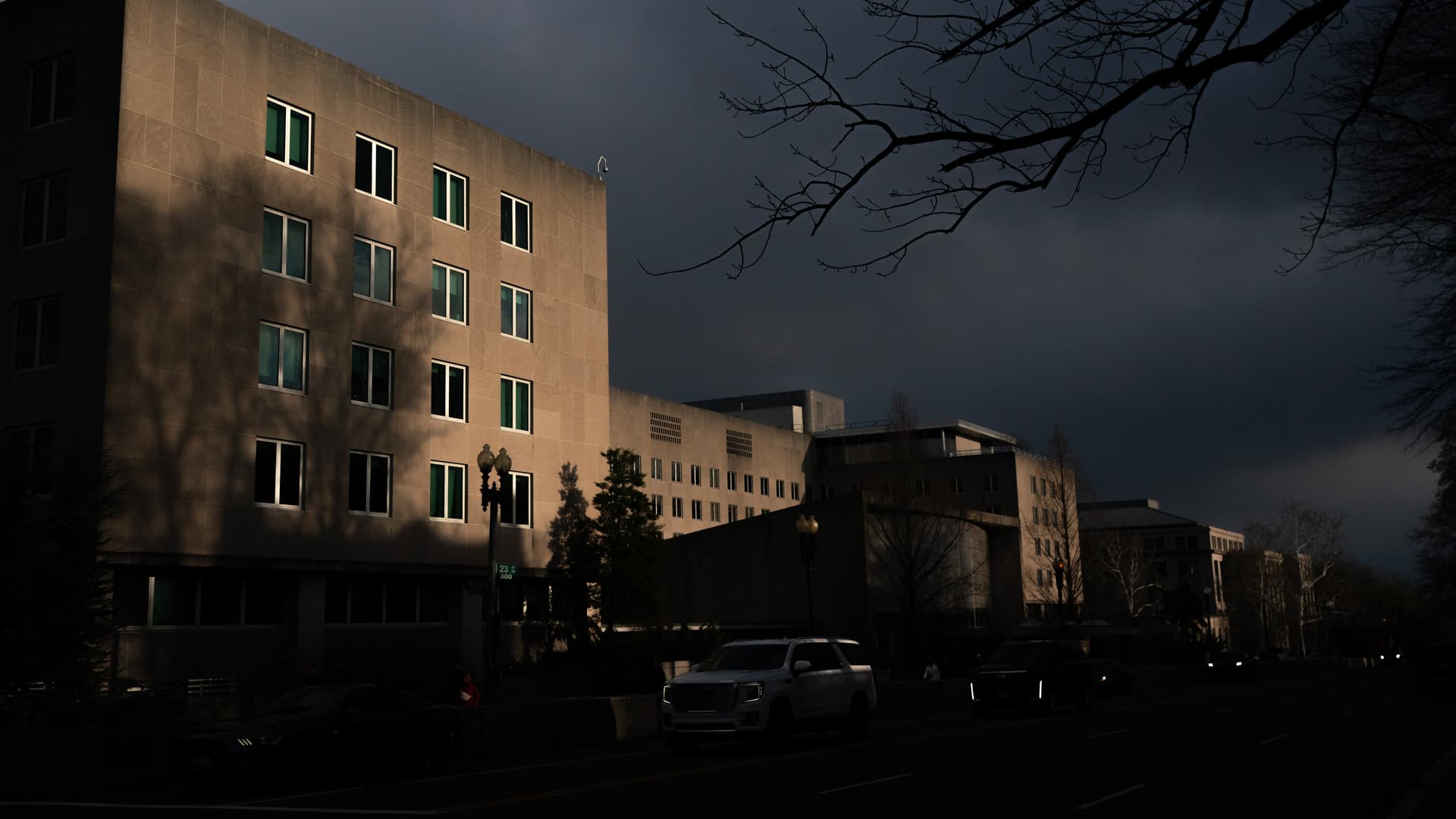
A Washington nonprofit founded by three former U.S. diplomats is becoming a flashpoint inside the State Department, where critics say the Ben Franklin Fellowship is helping shape diplomacy through ideology, personnel access, and internal pressure rather than elections alone.
The invitation-only group, founded in 2024, says it is nonpartisan. But its founders and members have openly promoted conservative policy ideas and opposed pro-diversity efforts they argue have weakened merit-based hiring and promotion in the diplomatic corps. Veteran diplomats and congressional Democrats warn that the fellowship is starting to function like an unofficial credential for advancement under Donald Trump, with the added risk that its anti-DEI message could narrow opportunities for women and minorities in a department long dominated by white men.
That concern has sharpened as the Trump administration has moved to purge DEI-related language and programs from the department. AFSA says internal employee organizations have been chilled by executive orders, Office of Personnel Management guidance, and changes to the Foreign Affairs Manual, all of which have helped create a more constrained environment for staff who had organized around diversity and inclusion issues.
The fellowship’s influence has also become tied to senior personnel placements. Christopher Landau was sworn in as the 23rd Deputy Secretary of State on March 25, 2025, and his office sits near the center of policy setting and oversight at State. Critics see that as part of a wider pattern in which the fellowship’s network is increasingly associated with the department’s most powerful posts, not just its outside commentary.
The contrast with the department’s formal Franklin Talent Exchange Program has fueled the backlash. That official initiative brings in senior and mid-level professionals for a one-year, unpaid partnership, and the department makes clear it is not a path to employment. For critics, that distinction matters: the talent exchange is a bounded program, while the Ben Franklin Fellowship’s informal reach appears to be shaping who gets in front of decision-makers and who is seen as part of the future of the Foreign Service.
Public scrutiny intensified after Politico reported in 2025 that the group was drawing suspicion as members gained top diplomatic slots. AFSA’s March-April 2026 Foreign Service Journal then featured essays warning that the fellowship’s outsized role was eroding trust and endangering the Foreign Service. Ambassadors Ron Neumann and Eric Rubin have argued that the group’s growing power is politicizing a career service built to prize expertise, continuity, and institutional independence.
Some conservative allies compare the fellowship to the Federalist Society’s influence on the judiciary. For State, the question is more immediate: whether foreign-policy staffing will continue to reflect professional standards, or whether a narrow ideological network will keep expanding its reach inside the diplomatic corps.
This article was produced by Prism’s automated news system from verified source data, official records, and press releases, then run through automated quality and moderation checks before publishing. The system is built and supervised by the people who set the standards it runs under. Read our full AI policy.
Did this article answer your question?