Ben Sasse discusses cancer battle, faith, and America in CBS town hall
Ben Sasse said a trial shrank his pancreatic tumors by 76% after doctors gave him three or four months to live. His illness is now reshaping his public case for America.

Former Sen. Ben Sasse brought a deeply personal question to the center of a public forum: what does American life look like when a 54-year-old former senator, once told he had three or four months to live, is still fighting stage-four pancreatic cancer and speaking publicly about the country?
In a CBS News Things That Matter town hall moderated by Scott Pelley, Sasse answered questions about his faith, his experimental treatment, the country and more. The town hall was published April 26, 2026, and came after Sasse said in December 2025 that he had terminal stage-four metastatic pancreatic cancer. He later credited “providence, prayer, and a miracle drug,” a clinical trial, with shrinking his tumors by 76%.
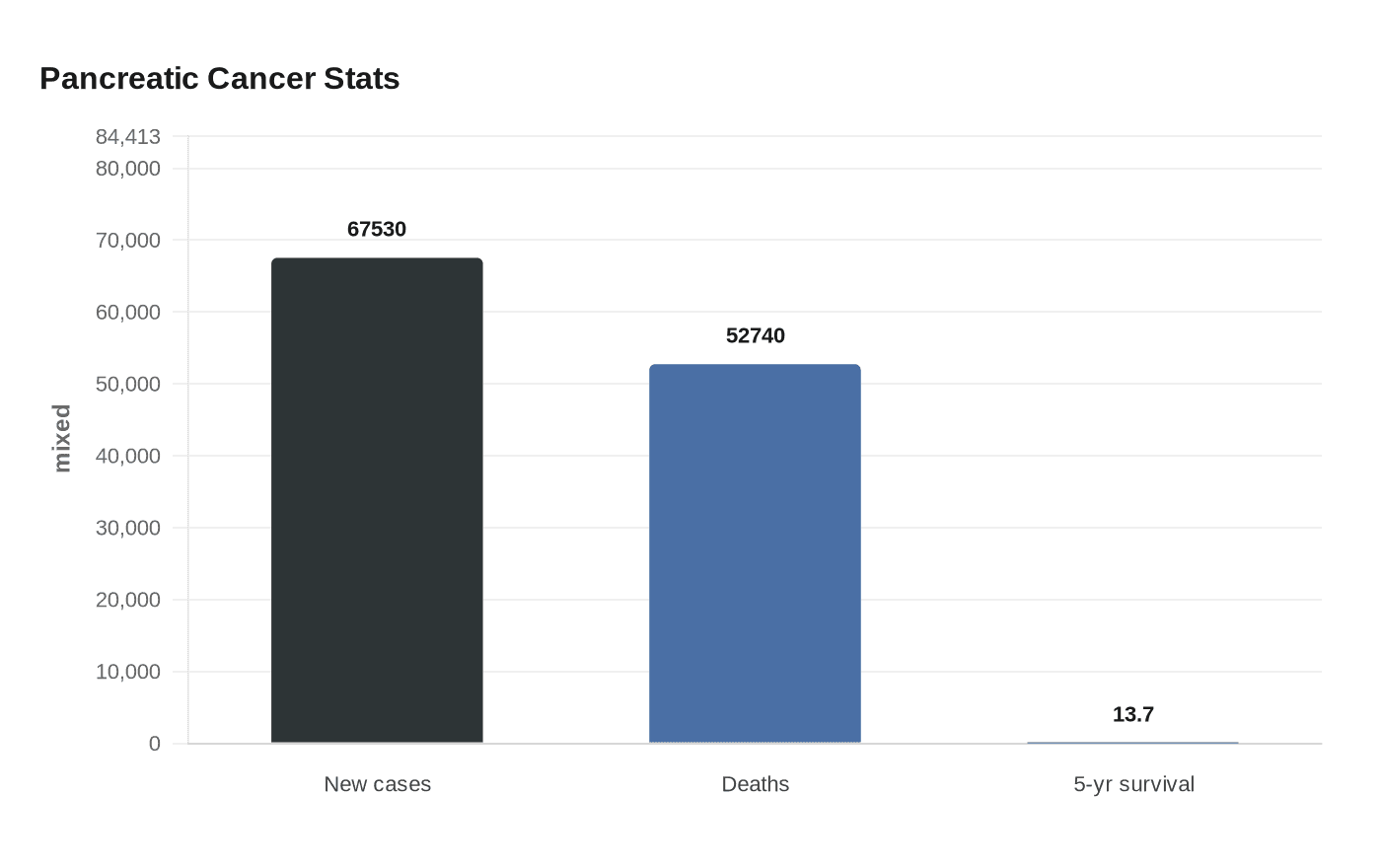
The diagnosis carries unusual weight because pancreatic cancer remains one of the deadliest major cancers in the United States. The National Cancer Institute’s SEER program estimates 67,530 new cases and 52,740 deaths in 2026, with a five-year relative survival rate of 13.7%. Sasse’s case stands out not as a cure story, but as a rare public example of a patient living far beyond an initial prognosis while participating in experimental treatment.
That makes the sharpest unanswered question from the town hall less about Sasse alone than about the system around him. His experience raises a broader national issue: who gets access to promising trials, who can navigate advanced care, and how much survival depends on medical innovation versus privilege, timing and luck. Those questions sit at the center of debates over health care access, cost and trust in institutions, especially when public figures move between Washington, academia and elite medical networks.
Sasse’s public life has already crossed several institutions. He represented Nebraska in the U.S. Senate from 2015 to 2023, then left to become president of the University of Florida before stepping down in July 2024, citing his wife’s health issues. In the town hall, and in earlier conversations about his diagnosis, Sasse treated the illness as a way to talk about bigger questions of America, family, faith and the future. The result was less a conventional interview than a test of how personal crisis can change the way a national figure talks about public life, and how the country hears him.
This article was produced by Prism’s automated news system from verified source data, official records, and press releases, then run through automated quality and moderation checks before publishing. The system is built and supervised by the people who set the standards it runs under. Read our full AI policy.
Did this article answer your question?


