Ben Sasse, facing cancer, calls Congress broken and urges bigger thinking
Facing stage-four pancreatic cancer, Ben Sasse said Congress is stuck in “smack-down nonsense” and should think about 2030, 2050 and even a 2,000-seat House.
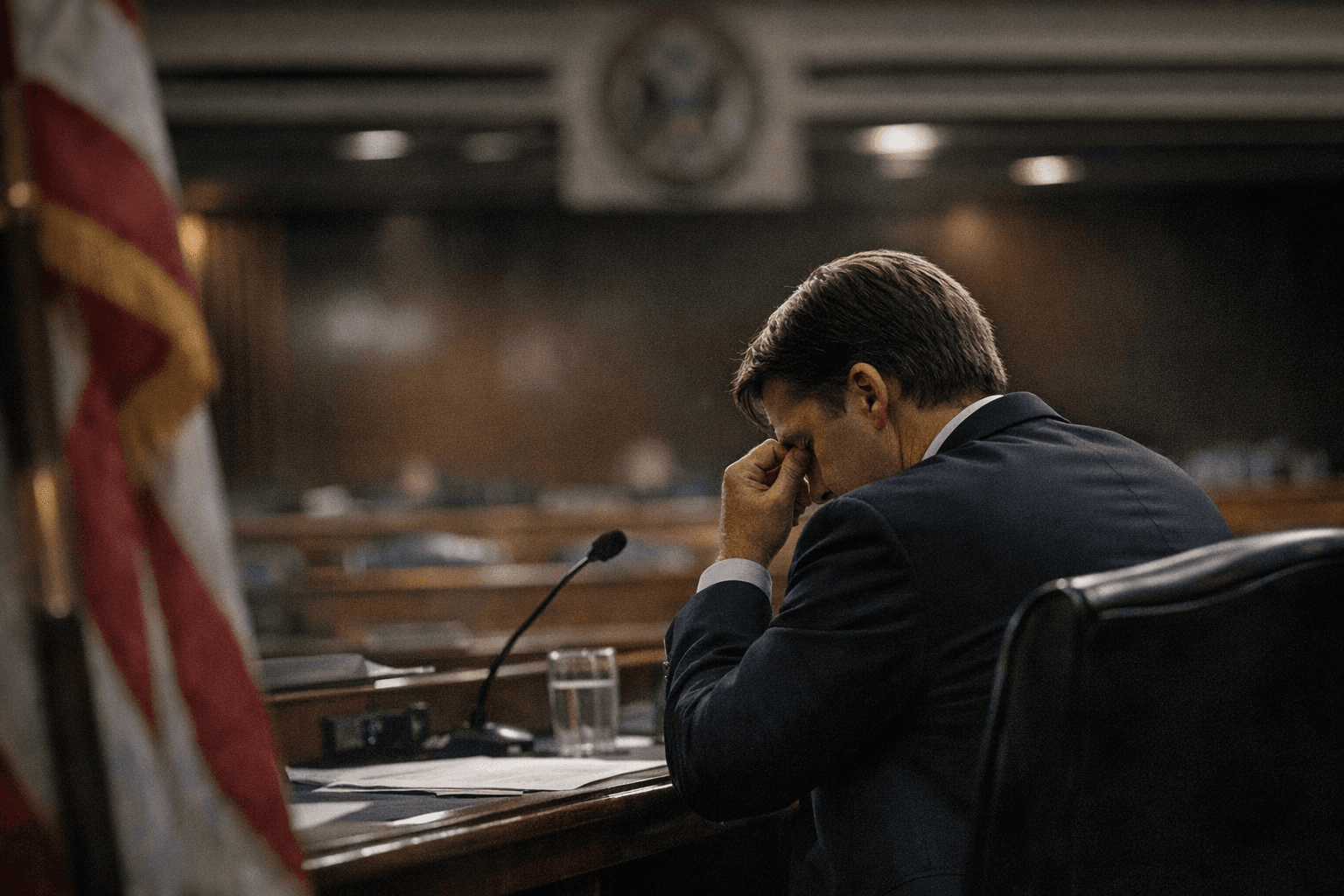
Ben Sasse, told last year that he had three to four months to live, used his diagnosis to argue that Congress has lost sight of the country’s biggest problems. The 54-year-old former Nebraska senator said he was diagnosed in December 2025 with metastasized, stage-four pancreatic cancer, then described himself as living on “extended time” because of “providence, prayer and a miracle drug.” The treatment has shrunk his tumors by 76 percent.
In a CBS News conversation with Scott Pelley, Sasse said the experience had pushed him away from day-to-day political combat and toward what he called “bigger stuff,” including rebuilding communities, regulating artificial intelligence before it overwhelms work and institutions, and thinking about the country’s long-term future. His core complaint was not partisan in the usual sense. He said Congress is consumed by “reductionistic tribalism,” is not wrestling with questions that matter, and is missing the consequences of the digital revolution for national security, labor and the institutions meant to hold civic life together.
Sasse sharpened that critique by drawing a contrast between modern political performance and actual deliberation. The Senate, he said, should be “less like Instagram” and more deliberative, with less “smack-down nonsense.” He said neither party has good ideas about 2030 or 2050, an indictment aimed as much at the narrow time horizons of lawmakers as at the incentives that reward conflict over governing. He also proposed a structural change that would radically alter Washington: a House of Representatives with 2,000 members instead of 435, so each member would represent far fewer people.

That idea runs up against a long-settled limit in Congress. The House has been fixed at 435 voting members since the Permanent Apportionment Act of 1929, although the chamber’s total membership is 441 when nonvoting delegates are included. Sasse’s proposal reflected a broader belief that smaller, more local representation could restore some of the deliberation he says has vanished from national politics.
His warnings carried extra weight because Sasse knows Congress from the inside. He represented Nebraska in the U.S. Senate from 2015 to 2023, resigned to become president of the University of Florida, and left that post effective July 31, 2024, after citing his wife Melissa’s epilepsy diagnosis and memory issues. He also voted guilty in Donald Trump’s second impeachment trial on February 13, 2021, joining six other Republican senators, though the Senate fell short of the two-thirds threshold for conviction. CBS said the accompanying town hall drew attendees facing health challenges and members of the faith community, a setting that matched the somber urgency of Sasse’s message: a government that keeps choosing spectacle over stewardship is failing the people it is supposed to serve.
This article was produced by Prism’s automated news system from verified source data, official records, and press releases, then run through automated quality and moderation checks before publishing. The system is built and supervised by the people who set the standards it runs under. Read our full AI policy.
Did this article answer your question?

