Ben Youngs breaks down in BBC film as rugby head-injury fears resurface
England’s most-capped men's player cried during filming of a BBC documentary probing concussions and MND, raising fresh questions about safety from elite rugby to grassroots.
Warning: This article contains discussion about suicidal thoughts.
Ben Youngs, England’s most-capped men's player, says he "could not hold it together any more" while filming a BBC documentary that probes concussion, long-term health and motor neurone disease in rugby. His visible distress, "as I made my way down the stand, tears streamed down my face", and a subsequent embrace with former team-mate Lewis Moody have refocused attention on player welfare at every level of the sport.
Youngs recounts pausing to "look over the pitch, took a deep breath, and returned to give my former England and Leicester Tigers team-mate Lewis Moody a big hug" after conversations about the game's human toll. Moody, a former England and Leicester Tigers player nicknamed "Mad Dog" in the Tigers dressing room, has been diagnosed with motor neurone disease. The diagnosis and the emotional response it prompted underline the personal stakes for players who remain connected to rugby as coaches, parents and fans.
"When I first got the call about taking part in the BBC documentary - Ben Youngs Investigates: How Safe Is Rugby? - I was sceptical and worried about what I might find out," Youngs says. Yet the scepticism hardened into a sense of duty: "I didn't want to let my love for the game blind my thinking, so I decided to find out more." His stated aim is pragmatic and familiar to many players and parents: "I want more people playing rugby, rather than being scared to take to the field."
The documentary, and Youngs's account of filming, homes in on the cultural and medical fault lines that have shaped rugby for decades. "Concussion, long-term health issues, former players struggling - those stories have dominated the conversation around my sport," Youngs says. He reflects on an era when the sport lacked on-field head injury protocols: "My career started in an era when there was no such thing as an on-field head injury assessment - if you went off, you were letting your team down."
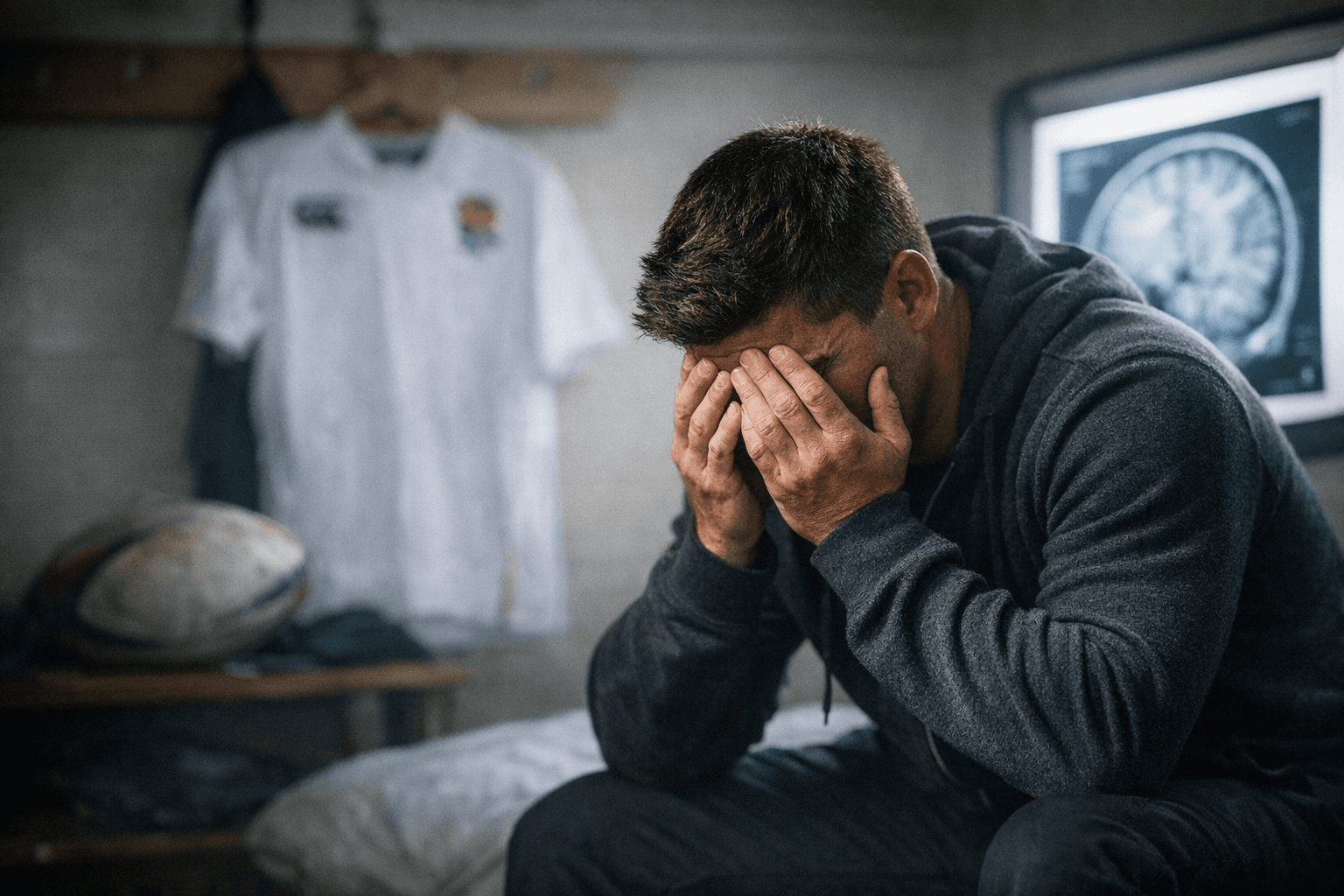
The programme also addresses a charged scientific question: "Despite a number of high-profile former rugby players having had the disease, there is no scientific evidence definitively linking MND with repeated concussion," the film notes. Moody himself is quoted in the material as having "no regrets about the hard-hitting way he played our wonderful game," and Youngs captures the paradox at the heart of rugby culture: "Rugby is beautiful but also brutal, and with that comes the risk of head injury."
Youngs frames his investigation as a bid to "peek behind the curtain and find out what rugby is doing to combat head injuries." That framing collapses elite and grassroots concerns into a single question: "Is the game 'Mad Dog' and I played at the highest level really that safe? Is the game I take my young son Boris to play every Sunday really that safe?"
The scenes Youngs describes, tears, candid admissions, and the frank discussion of terminal illness, bring an emotive immediacy to debates that have often been technical. His decision to interrogate those debates publicly ensures the conversation will move beyond isolated headlines to the heart of what rugby clubs, governing bodies and families must reconcile: how to preserve a sport many call "wonderful" while confronting the risks it can carry.
This article was produced by Prism’s automated news system from verified source data, official records, and press releases, then run through automated quality and moderation checks before publishing. The system is built and supervised by the people who set the standards it runs under. Read our full AI policy.
Did this article answer your question?


