Berkshire Hathaway to buy Taylor Morrison in $6.8 billion deal
Berkshire is paying $6.8 billion for Taylor Morrison, betting that higher mortgage rates and a tight housing supply will eventually give way to pent-up demand.
Berkshire Hathaway’s planned $6.8 billion purchase of Taylor Morrison puts one of the country’s biggest cash piles behind a clear housing bet: the U.S. market may be strained now, but homebuilding still looks like a long-cycle winner.
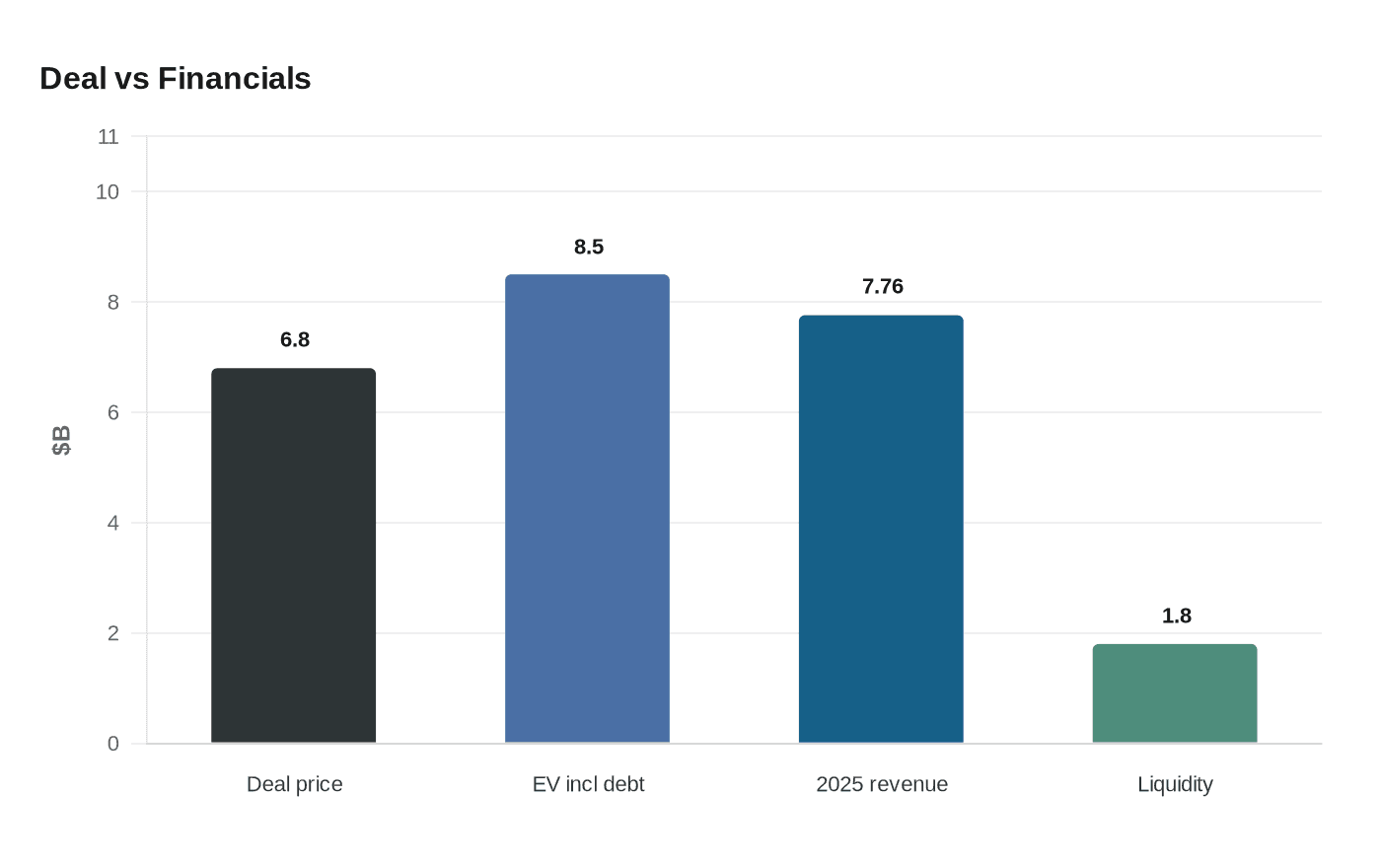
Berkshire will pay $72.50 a share in cash, a 24% premium to Taylor Morrison’s May 29 closing price of $58.50, in a deal that values the homebuilder at about $8.5 billion including debt. The transaction is expected to close in the second half of 2026 and marks one of Greg Abel’s first major strategic moves since taking over as Berkshire’s chief executive at the start of the year, after Warren Buffett stepped down as CEO and stayed on as chairman.
The acquisition deepens Berkshire’s housing exposure well beyond Clayton Homes, the manufactured-home company it bought in 2003. Berkshire already owns building-product businesses and Berkshire Hathaway HomeServices, one of the country’s largest residential brokerage franchise networks. Adding Taylor Morrison gives Berkshire a larger site-built homebuilding platform at a time when mortgage rates and affordability pressures have kept many buyers sidelined.

That is exactly what makes the deal significant for the wider housing market. Berkshire is not paying up for a fast-growing consumer brand or a tech platform; it is committing capital to a business tied directly to the housing cycle, where shortages have persisted and demand has been crushed by borrowing costs. Bill Stone, chief investment officer at Glenview Trust and a Berkshire shareholder, said Berkshire is betting the housing cycle will turn and that there is pent-up demand.
Taylor Morrison brings scale. The Scottsdale, Arizona-based builder reported 2025 home closings revenue of $7.76 billion, 12,997 closings and an average sales price of $597,000. It posted net income of $783 million, adjusted net income of $830 million and adjusted home closings gross margin of 23.0%. The company also ended the year with $1.8 billion in total liquidity and repurchased 6.5 million shares for $381 million.
Taylor Morrison said it operates in 20 markets across 12 states, with more than 350 communities across 21 markets in 12 states, and has a legacy stretching back more than 100 years through predecessor firms. After the deal closes, it will keep operating under its existing management team, including chief executive and chairman Sheryl Palmer.
For buyers, the question is whether Berkshire’s scale helps add supply or simply strengthens margins in a constrained market. Consolidation can create purchasing power, more disciplined land spending and steadier production, but it can also leave fewer independent players competing for scarce lots and labor. In a market still short on affordability, the answer will determine whether this bet helps unlock more homes or only rewards the companies building them.
This article was produced by Prism’s automated news system from verified source data, official records, and press releases, then run through automated quality and moderation checks before publishing. The system is built and supervised by the people who set the standards it runs under. Read our full AI policy.
Did this article answer your question?

