Berlin doctor jailed for life over 15 patient murders
A Berlin palliative care doctor was sentenced to life for killing 15 patients, while prosecutors said he may have left far more deaths behind.
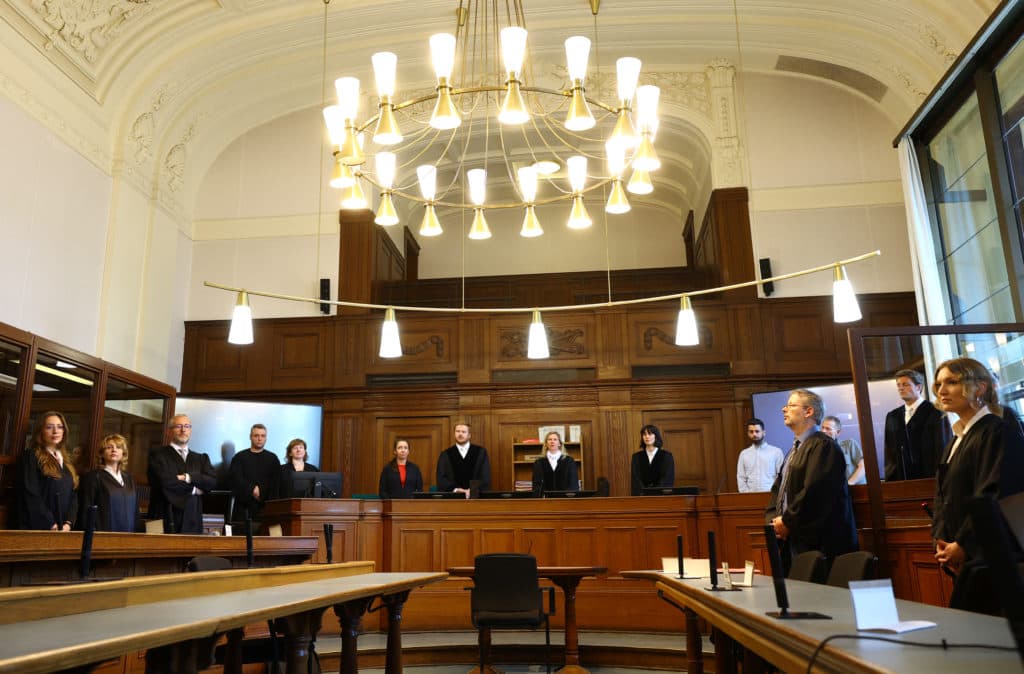
A Berlin court sentenced a 41-year-old palliative care doctor to life in prison after finding him guilty of murdering 15 patients, a case that exposed how a physician trusted with end-of-life care allegedly used that access to kill over nearly three years. Prosecutors said Johannes M. targeted vulnerable people in their homes, then tried to erase evidence by setting some apartments on fire.
The killings were alleged to have taken place between September 2021 and July 2024, with victims ranging in age from 25 to 94. Twelve were women and three were men. Prosecutors said Johannes M. administered a lethal combination of an anaesthetic induction drug and a muscle relaxant without the victims’ knowledge or consent, paralyzing their breathing and causing death within minutes. On at least five occasions, they said, he set fire to victims’ apartments to cover up the crimes.
The case has turned into a reckoning over oversight in palliative care, where doctors work inside private homes and are often granted unusual trust and access. Johannes M. was named in German media under privacy rules, and the trial began on July 14, 2025, in Berlin. The proceedings focused not only on the 15 murders for which he was convicted, but also on the possibility that the killings were part of a far wider pattern that went unnoticed for years.
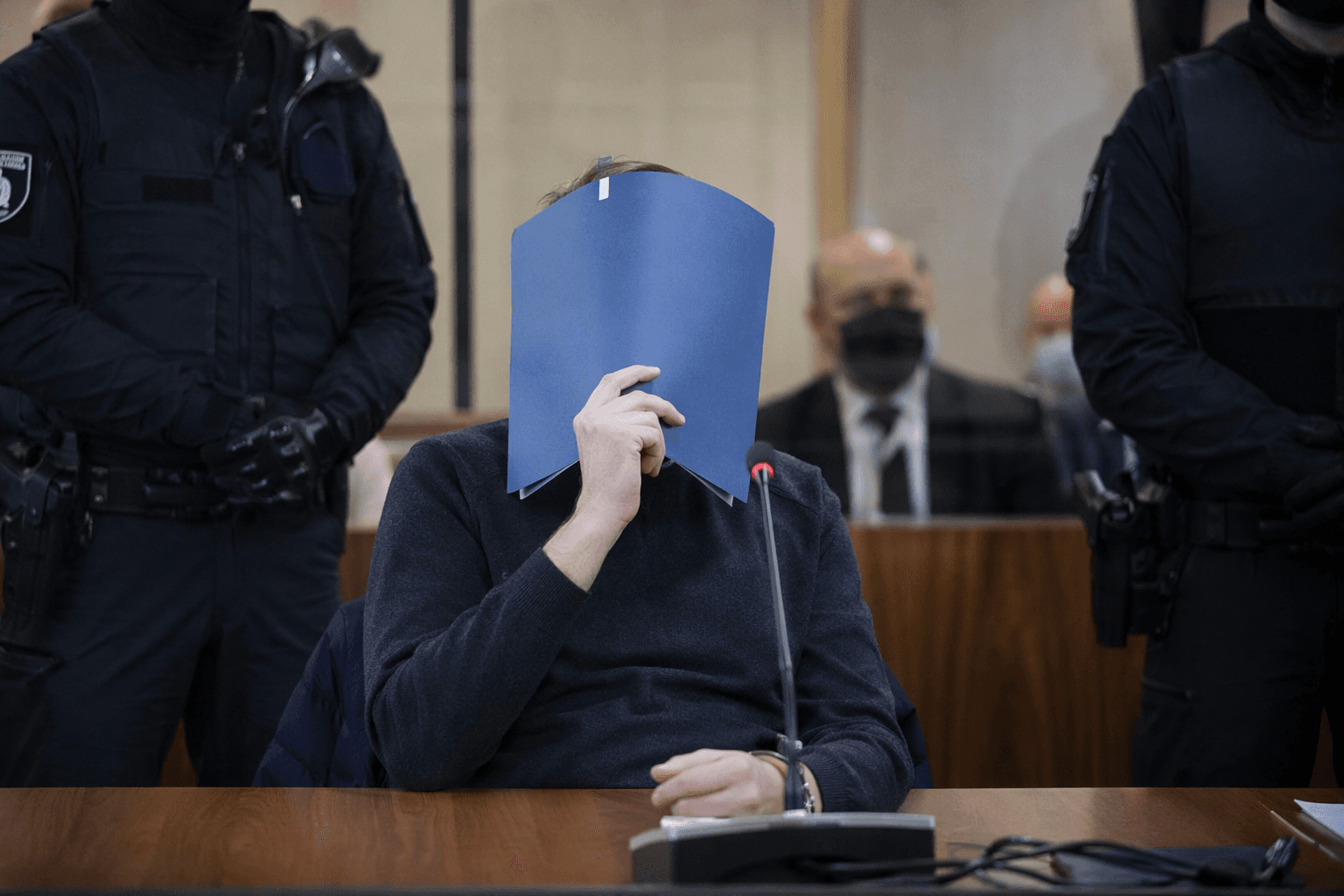
Presiding judge Sylvia Busch said the conviction for 15 murders may only be a glimpse of his crimes. Prosecutors told the court that he was suspected of killing more than 70 other people, a figure that, if borne out, would point to a catastrophic institutional failure in monitoring, investigation and professional accountability. They had sought a life sentence, a permanent ban from practicing medicine and preventive detention.
The sentence brings Germany’s maximum punishment, but it also leaves behind a deeper question about the safeguards around home-based medical care. A doctor moving alone between patients’ apartments, administering powerful drugs and allegedly using fire to obscure the evidence, was able to operate for years before the pattern was brought into the open. The case now stands as a stark warning about the limits of trust when there is too little scrutiny.
This article was produced by Prism’s automated news system from verified source data, official records, and press releases, then run through automated quality and moderation checks before publishing. The system is built and supervised by the people who set the standards it runs under. Read our full AI policy.
Did this article answer your question?