Berlinale ends amid backlash as open letter accuses festival of censoring artists
The 76th Berlinale closed Feb. 21 after an open letter published Feb. 17 accused organizers of censoring pro‑Palestinian voices; 81 signatories and major stars amplified a festering debate.
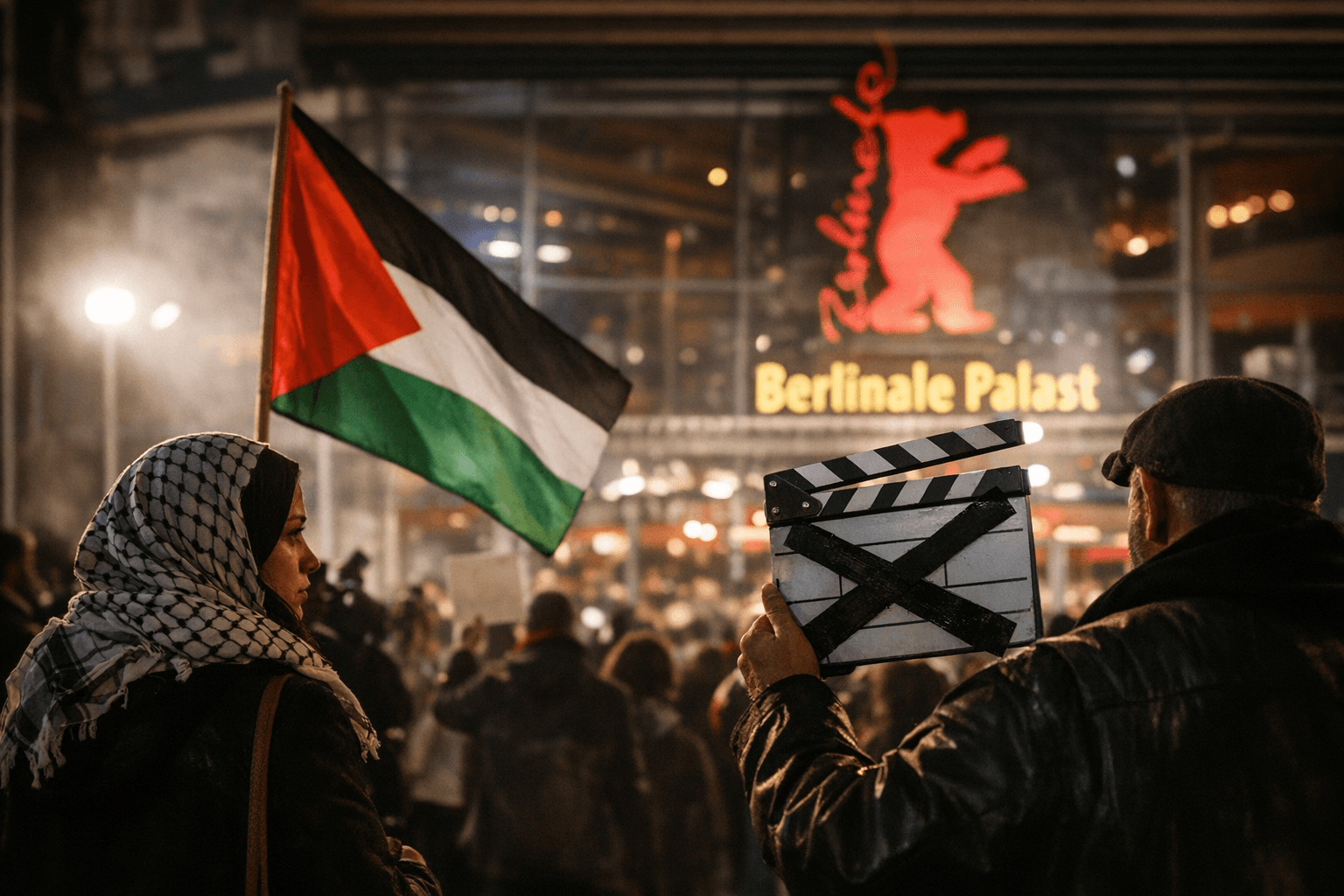
The 76th Berlin International Film Festival closed on Feb. 21 under the shadow of a political storm that shifted attention from prizes to free speech. An open letter published on Feb. 17 in Variety accused the Berlinale of “censoring artists who oppose Israel’s ongoing genocide against Palestinians in Gaza,” and urged the festival to account for alleged cooperation with German authorities. The letter was signed by high‑profile industry figures named in coverage, including Tilda Swinton, Javier Bardem and Adam McKay, with multiple outlets reporting 81 signatories while NPR put the number at more than 100.
The dispute was ignited by remarks from jury president Wim Wenders at the festival’s opening press conference, when he said the festival “should stay out of politics” and described filmmaking as “the opposite of politics.” Those comments prompted immediate backlash and set the terms for a weeklong debate that unfolded on social media, in opinion pages and on festival stages.
Festival director Tricia Tuttle responded publicly and forcefully. In a statement and subsequent interviews she stressed that artists should not be expected to answer for institutional decisions they do not control, saying “Artists should not be expected to comment on all broader debates about a festival’s previous or current practices over which they have no control.” In a longer piece titled “On Speaking, Cinema and Politics,” Tuttle wrote that she did not believe any filmmaker screening at the festival was indifferent to global suffering and affirmed that “Artists are free to exercise their right of free speech in whatever way they choose.” In an interview she rejected the letter’s central allegation: “It's not true that we are silencing filmmakers. It's not true that our programmers are intimidating filmmakers. In fact, the opposite.”
The open letter went further, asserting that “filmmakers who spoke out for Palestinian life and liberty from the Berlinale stage reported being aggressively reprimanded by senior festival programmers,” and that “one filmmaker was reported to have been investigated by police.” The Palestine Film Institute, quoted in Variety, accused the festival of “policing filmmakers alongside a continued commitment to collaborate with Federal Police on their investigations.” Those specific claims have not been independently corroborated in public records or by festival officials.
The scandal arrives at a moment of broader industry reckoning. The open letter cites a growing boycott movement, with Variety referencing refusals by “more than 5,000 film workers” to work with what they call complicit Israeli institutions. For Berlinale, long known for politically engaged programming dating back to its Cold War founding in 1951, the episode raises fresh questions about the intersection of art, institutional funding and national policy. Germany’s government is a significant funder of the festival, a fact critics have linked to wider complaints about the state’s policy choices.
Industry and cultural consequences are immediate. The closing ceremony did hand out the customary Golden and Silver Bears, but multiple critics and trade outlets noted that controversy, not cinema, dominated the edition’s narrative. For filmmakers and distributors, the spat could affect programming decisions, co‑production relationships and festival strategy as political pressure becomes a bargaining point. For audiences, the controversy reframes a festival that has long courted political films as a battleground over who gets to speak and how institutions respond.
Key allegations in the open letter remain contested and merit verification: the exact signatory count and the reported police probe are disputed in published accounts. As Berlinale organizers defend their practices, the dispute is likely to shape how festivals worldwide navigate activism, state ties and the clamorous public square where films and politics increasingly meet.
This article was produced by Prism’s automated news system from verified source data, official records, and press releases, then run through automated quality and moderation checks before publishing. The system is built and supervised by the people who set the standards it runs under. Read our full AI policy.
Did this article answer your question?