Best Prime Day tech deals under $50 from Ninja, Anker and Samsung
Sub-$50 Prime Day buys are steering shoppers toward chargers, trackers and compact kitchen gear, as tight budgets favor practical upgrades over splurges.
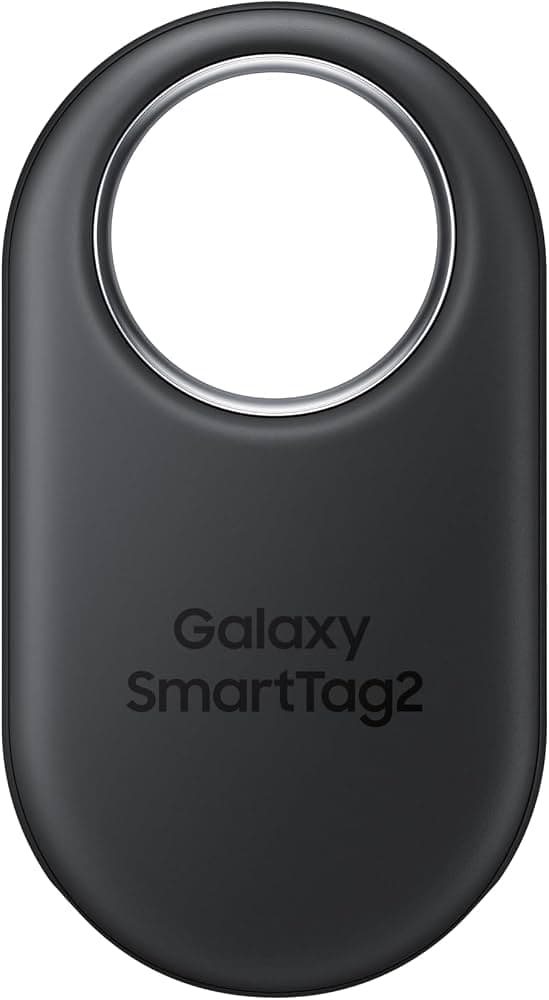
1. Samsung Galaxy SmartTag2 is the cheapest practical win, because a small tracker beats replacing lost keys, bags or luggage.
2. Anker Nano Power Bank with InstaCord, at $41.99, is the kind of pocket backup commuters buy first.
3. Anker 313 Wireless Charger Stand, at $16, shows how low-cost charging gear turns into desk cleanup.
4. Anker 25W USB C Charger Block is the compact wall brick that keeps Samsung phones moving fast.
5. Anker Nano 30W USB-C Charger is the budget wall charger that makes everyday battery anxiety cheaper.
6. Anker USB C to USB C Cable, 6 FT, 2-Pack, is the backup cord that prevents one dead charger from becoming a bad day.
7. Samsung 25W Wall Charger is the no-frills Galaxy accessory that fits the under-$50 mood.
8. Samsung P9 Express 256GB is the storage deal that matters most to handheld gamers, dropping to $39.99 in current Prime Day coverage.
9. Ninja Fit Compact Personal Blender is the rare Ninja pick that fits the sub-$50 brief and the small-kitchen brief.
10. Ninja Blast Max Portable Blender keeps smoothies cordless, which is exactly the kind of convenience shoppers chase when they are counting dollars.
11. Anker Zolo Magnetic Wireless Charger is a low-friction buy for iPhone and AirPods users who want to stop juggling cables.
12. Anker 20W Fast USB C Charger 2-Pack gives households a cheap way to spread chargers across rooms, bags and offices.
13. Anker 65W 3-Port Fast Compact Foldable USB C Charger is the laptop-friendly wall brick that still tries to stay portable.
14. Anker Smart Display Charger, 45W, adds a tiny screen to a very ordinary purchase.
15. Anker Zolo Power Bank 10K is the middle-weight backup that looks like a routine buy, not a luxury.
16. Anker PowerCore Slim 10K is the plain answer to the question every phone owner keeps asking: how do I stay above zero?
17. Anker MagGo Power Bank 10K Qi2 is the magnetic option for people who want fewer cords and more convenience.
18. Anker 621 MagGo 5K is the smallest magnetic backup in the mix, which makes it easy impulse-buy territory.
19. Anker 633 Magnetic Battery 10K gives shoppers a battery and a stand in one carton.
20. Anker 47W 2-Port Charger is the sort of small brick that quietly replaces two lesser chargers.
21. Anker 60W USB-C Cable 2-Pack is the cheap insurance policy shoppers add after one too many frayed cords.
22. Anker USB A to USB C Cable 2-Pack keeps older accessories in circulation without forcing a full replacement cycle.
23. Anker 25W USB C Charger 2-Pack fits the household logic of buying one for home and one for travel.
24. Anker Nano 3-in-1 Portable charger is a travel-first battery pack built around convenience, even if it sits right at the top of the budget tier.
25. Ninja Nutri-Plus Personal Blender is the step up from single-serve shakes when countertop space is tight.
26. Ninja Professional Blender BL610 is the bigger-batch option for buyers who want a classic full-size machine.
27. Ninja Professional Blender 2.0 stays the familiar value pick for frozen drinks and weekday smoothies.
28. Ninja Kitchen System BL770 replaces a blender and a food processor, which is exactly how frugal kitchens save cabinet space.
29. Ninja Professional Plus BN701 appeals to shoppers who want presets instead of guesswork.
30. Ninja Kitchen System TB401 BlendSense pushes the all-in-one pitch even further for buyers consolidating appliances.
31. Ninja Foodi Personal Blender SS101 is the breakfast shortcut for people who want one machine to do more than one job.
32. Ninja UltraCrush BP201 is the ice-crushing choice for shoppers who still want bigger performance from a sale buy.
33. Ninja Blast Max Portable Blender makes cordless blending feel like a daily-use product, not a novelty.
34. Ninja Blast Portable Blender is the lighter portable option for commuters, gym bags and cupholders.
35. Samsung SmartTag2 in black keeps the tracker story focused on usefulness, not aesthetics.
36. Samsung SmartTag2 in white serves the same job for buyers who want a cleaner look.
37. Samsung 25W Wall Charger with cable is the simplest way to reduce the number of boxes in a cart.
38. Samsung 25W Wall Charger without cable trims the cost down for shoppers who already have cords.
39. Samsung P9 Express 256GB is the low-cost storage play with real gaming relevance.
40. Samsung P9 Express 256GB matters because Switch 2 buyers cannot rely on older microSD cards.
41. Prime Day now runs four days, which turns bargain hunting into a marathon.
42. Amazon says the 2026 event spans millions of deals across more than 35 categories.
43. Amazon says new deals can drop as often as every five minutes during select periods.
44. Alexa for Shopping gives Prime members another way to chase a deal without endless scrolling.
45. Under-$50 shopping has become the sale's practical sweet spot.
46. NBC Select sets a 20% discount floor for its Prime Day picks.
47. NBC Select also filters for at least a three-month low.
48. CNET's live coverage treats Prime Day as a full four-day hunt, not a one-day sprint.
49. CNET has long tracked under-$50 bargains because lower prices keep more shoppers in play.
50. Amazon says U.S. shoppers can find more than 300 million free-Prime-shipping items.
51. Amazon also says tens of millions of items qualify for Same-Day or Next-Day Delivery.
52. Up to 40% off fashion leaves electronics free to compete for attention.
53. Up to 30% off electronics is enough to keep chargers and accessories on the radar.
54. Up to 30% off beauty shows how broad Prime Day has become, but it does not crowd out tech.
55. Small chargers feel safer to buy than big-ticket replacements because the cash outlay is tiny.
56. Trackers appeal because they solve a problem people already know they have.
57. Power banks sell on battery anxiety, which is easy to recognize and easy to justify.
58. Cables are the least glamorous buys, and that is why they are so easy to add.
59. Wireless chargers win when a buyer wants less desk clutter.
60. Magnetic chargers reduce friction by making the phone snap into place.
61. Portable blenders sell convenience, not culinary ambition.
62. Compact Ninja blenders fit the kitchen sizes many households actually have.
63. Full-size Ninja systems win when one appliance needs to replace several.
64. Storage cards matter because handheld gaming keeps eating disk space.
65. Switch 2 compatibility makes Samsung's microSD Express card more than a generic memory buy.
66. Samsung's low-end accessories are the easiest way into its ecosystem during Prime Day.
67. Anker keeps showing up because charging problems are universal.
68. GaN chargers matter because they shrink the wall brick without giving up power.
69. Smaller chargers also cut heat, which is part of the appeal.
70. Two-port chargers work when one outlet has to serve more than one device.
71. Three-port chargers matter more for laptops, tablets and phones traveling together.
72. Foldable plugs make a cheap charger feel travel-ready.
73. Smart display chargers turn battery top-offs into something people can monitor.
74. Battery capacity is the first number shoppers scan on a power bank.
75. A 10K battery pack remains the standard middle ground for daily use.
76. Magnetic packs reduce cable tangles and make casual charging easier.

77. Qi2 has become the magnetic wireless baseline for this sale cycle.
78. Two-pack wireless pads lower the per-device cost of joining the magnetic crowd.
79. A five-foot cable matters when the outlet is far from the surface.
80. USB-C standardization makes comparison shopping much simpler than it used to be.
81. Durability claims now focus on bend counts, not just wattage.
82. A 5,000-bend rating or 10,000-bend rating is a concrete reason to buy.
83. Prime Day rewards buyers who already know their favorite brands.
84. Anker's safety reputation keeps appearing in deal coverage for a reason.
85. Samsung's ecosystem pull is strongest when the buy is small and useful.
86. Ninja benefits from being the appliance brand people already trust for simple kitchen jobs.
87. Editorial teams keep favoring products with lots of reviews because confidence matters.
88. High review counts make an under-$50 item feel less risky.
89. Prime Day shoppers are buying function first and novelty second.
90. Multiple small purchases can still become a real bill by checkout.
91. That is why the under-$50 tier is easier to rationalize than the flagship tier.
92. A tracker costs less than replacing what disappears.
93. A cable costs less than the downtime caused by a dead one.
94. A power bank costs less than buying a whole new phone battery setup.
95. A blender costs less than the habit of grabbing breakfast out.
96. Prime Day's four-day structure encourages shoppers to split purchases across the week.
97. That longer window makes small add-ons feel more deliberate.
98. It also gives buyers more chances to compare one charger against another.
99. The result is a lot of carts full of utility, not status.
100. Amazon's deal cadence keeps the market feeling in motion.
101. Today's Big Deals create a daily refresh that rewards frequent check-ins.
102. That structure favors bargain hunters with a short list.
103. The best sub-$50 buys usually solve one problem cleanly.
104. That is why the winning categories keep repeating across coverage.
105. Chargers repeat because nearly every device needs one.
106. Power banks repeat because battery life is still finite.
107. Cables repeat because wear and tear never stop.
108. Trackers repeat because people keep misplacing things.
109. Mini blenders repeat because small kitchens need compact tools.
110. Storage cards repeat because bigger games need room.
111. Prime shipping lowers the psychological barrier to adding one more item.
112. Same-day delivery makes the buy feel even more immediate.
113. Free shipping matters most when the item itself is cheap.
114. A cheap item with fast delivery feels like a small victory.
115. Amazon's more than 35 categories widen the lane for spontaneous purchases.
116. The sale's scale makes it easy to drift from one category to another.
117. That is how tech add-ons start looking like household essentials.
118. Under-budget shoppers are buying protection, not just performance.
119. They are also buying convenience, which is often the same thing.
120. The low end of the sale is where consumer caution shows up most clearly.
121. It is also where impulse buying stays easiest to defend.
122. A $16 stand is easier to excuse than a $160 charger.
123. A $39.99 storage card is easier to justify than a new handheld.
124. A $41.99 power bank feels safer than waiting for the battery to die.
125. A $45 portable charger feels like a travel essential, not a splurge.
126. Shoppers who buy under $50 often buy in multiples.
127. That is why bundles and two-packs keep showing up.
128. The math looks friendly until several "cheap" items hit the cart together.
129. Even then, the basket still feels more practical than indulgent.
130. For many households, that is the whole point of Prime Day.
131. The sale rewards people who know their own pain points.
132. It also rewards people who know their device ecosystem.
133. And it rewards people who know when a kitchen tool is enough.
134. That is why Anker, Ninja and Samsung keep surfacing in deal roundups.
135. Each brand fills a different practical niche.
136. Anker handles power.
137. Ninja handles shortcuts in the kitchen.
138. Samsung handles trackers and storage at the low end.
139. Those are the categories Americans can justify even when budgets are tight.
140. That is why the under-$50 tier gets so much editorial attention.
141. It captures the part of shopping where necessity and impulse overlap.
142. It also captures the part of shopping where a small win still feels real.
143. Amazon built the event to keep that feeling moving for four full days.
144. The result is a sale where practical tech beats prestige tech.
145. The best buy is the one that earns daily use.
146. The second-best buy is the one that solves a problem you already have.
147. The third-best buy is the one that replaces something broken or missing.
148. That logic is what keeps the sub-$50 aisle crowded.
149. It is also what keeps bargain hunting alive under pressure.
150. This year's Prime Day proves that practical tech is still the easiest yes.
This article was produced by Prism’s automated news system from verified source data, official records, and press releases, then run through automated quality and moderation checks before publishing. The system is built and supervised by the people who set the standards it runs under. Read our full AI policy.
Did this article answer your question?