Betty Broderick, convicted in 1989 double murder, dies at 78
Betty Broderick, whose 1989 killings became a national true-crime obsession, died in California custody at 78, closing a case that still shapes divorce drama on TV.
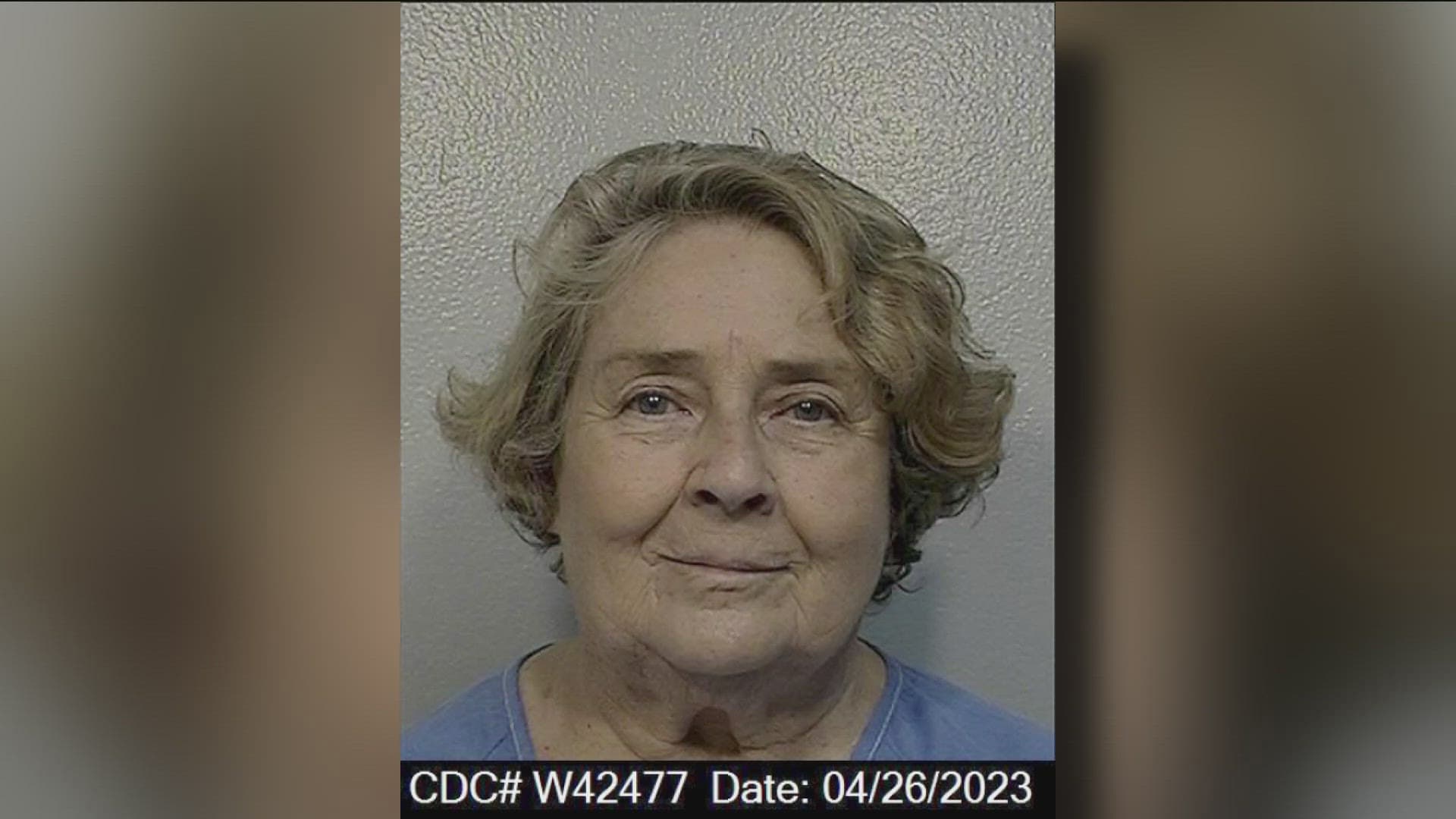
Betty Broderick, born Elisabeth Anne Broderick, died on May 8 at 78 while in custody in California, ending the life of a former San Diego socialite whose name became shorthand for one of the most notorious domestic murder cases in American pop culture.
Broderick shot and killed her ex-husband, Daniel T. Broderick III, and his new wife, Linda Kolkena Broderick, in their bed in San Diego on Nov. 5, 1989. The case moved quickly from family rupture to national spectacle because it was rooted in a bitter divorce, a custody fight and years of disputes over money and support. At her second trial, Broderick was convicted on two counts of second-degree murder and sentenced to 32 years to life in prison.
The verdict did not end the public fascination. Broderick was denied parole in 2010 and again in 2017, and her story kept returning in books, made-for-TV movies, a podcast and a miniseries. That long afterlife made the Broderick case less a single crime story than a changing American morality play, one in which television repeatedly tested how much sympathy audiences would extend to a woman cast at various times as a furious ex-wife, a wronged spouse, or simply a killer.
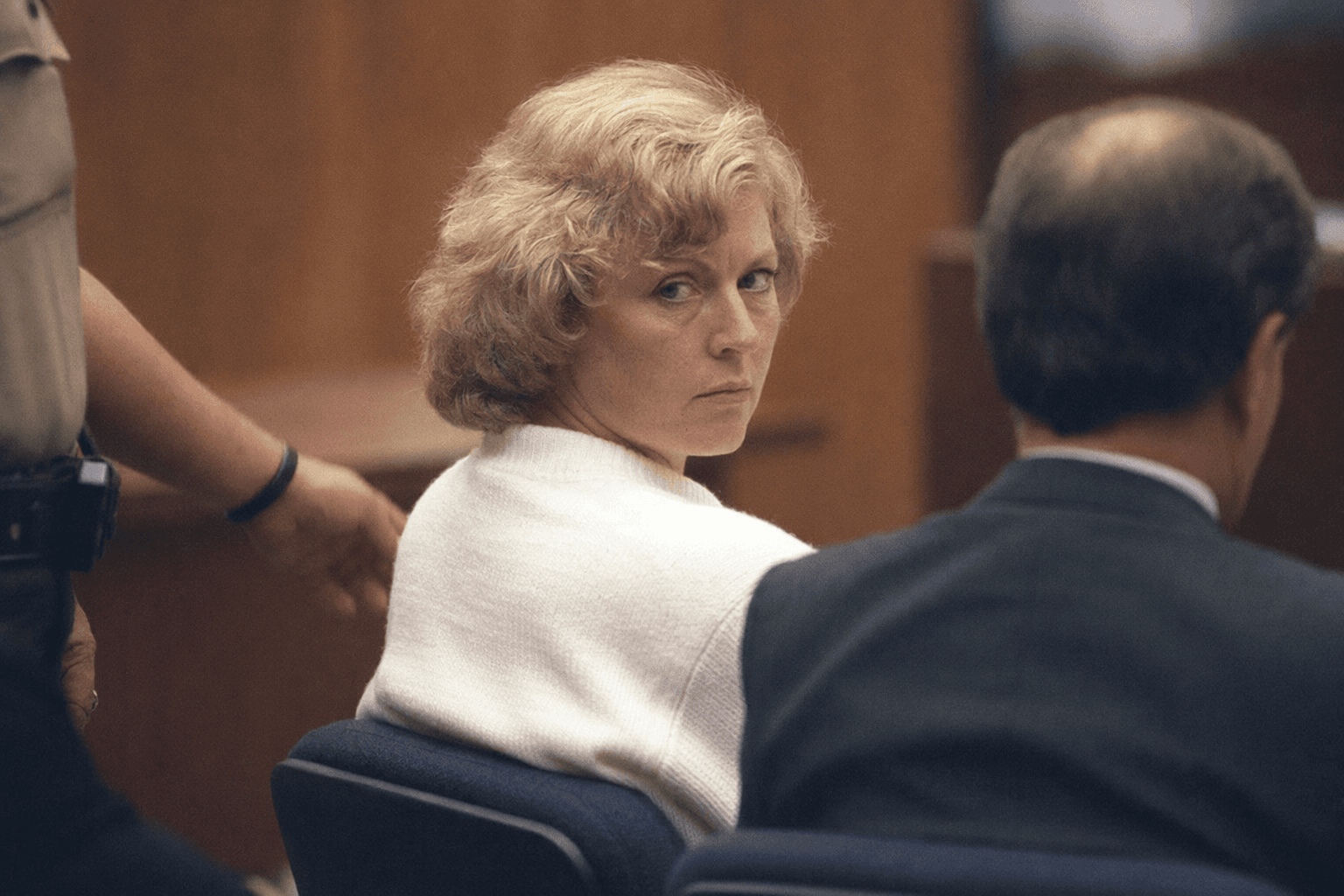
Her case also marked a moment in the late 1980s when domestic violence, divorce and revenge were often packaged as prime-time drama. The same qualities that made the story irresistible to broadcasters, a wealthy La Jolla marriage, a public split and a double homicide, also exposed how easily intimate violence could be turned into spectacle. In later retellings, the emphasis shifted. The language around coercion, control and abuse became sharper, while viewers and producers faced more scrutiny over the impulse to turn family catastrophe into entertainment.
Reports about her death varied on the medical details. Some described it initially as natural causes, while another account said she had suffered a serious fall and septic infections. However the cause is framed, Broderick’s death closes a case that outlived the courtroom and became a fixture of true-crime culture, a story that still measures how America talks about divorce, gendered sympathy and violence behind closed doors.
This article was produced by Prism’s automated news system from verified source data, official records, and press releases, then run through automated quality and moderation checks before publishing. The system is built and supervised by the people who set the standards it runs under. Read our full AI policy.
Did this article answer your question?