Beyond Meat posts deep 2025 losses as sales decline and margins shrink
Beyond Meat sold $275.5 million in 2025 revenue, but production costs ran $1.95 for every $1 sold, leaving the plant-protein pioneer with deeper losses and thinner margins.
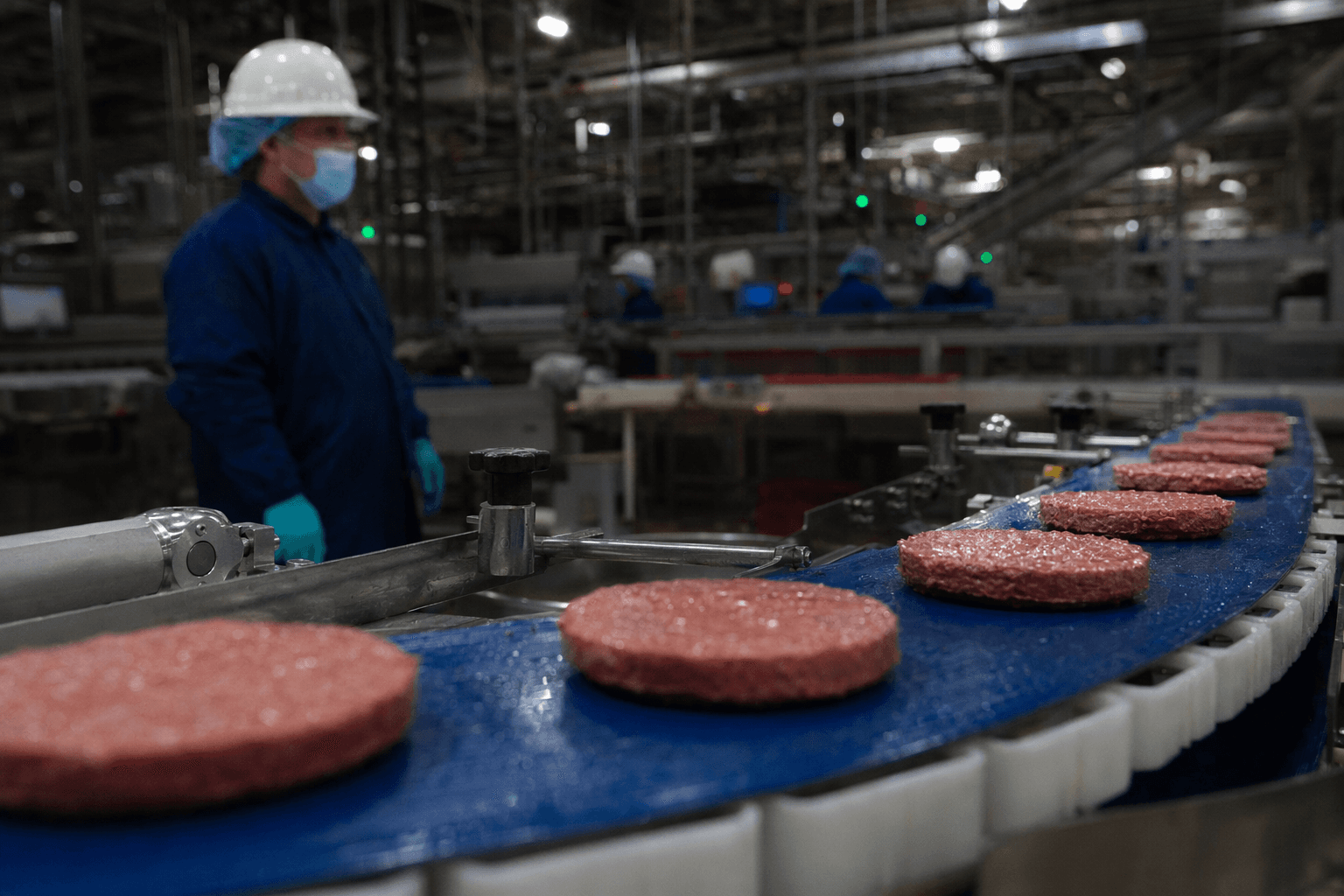
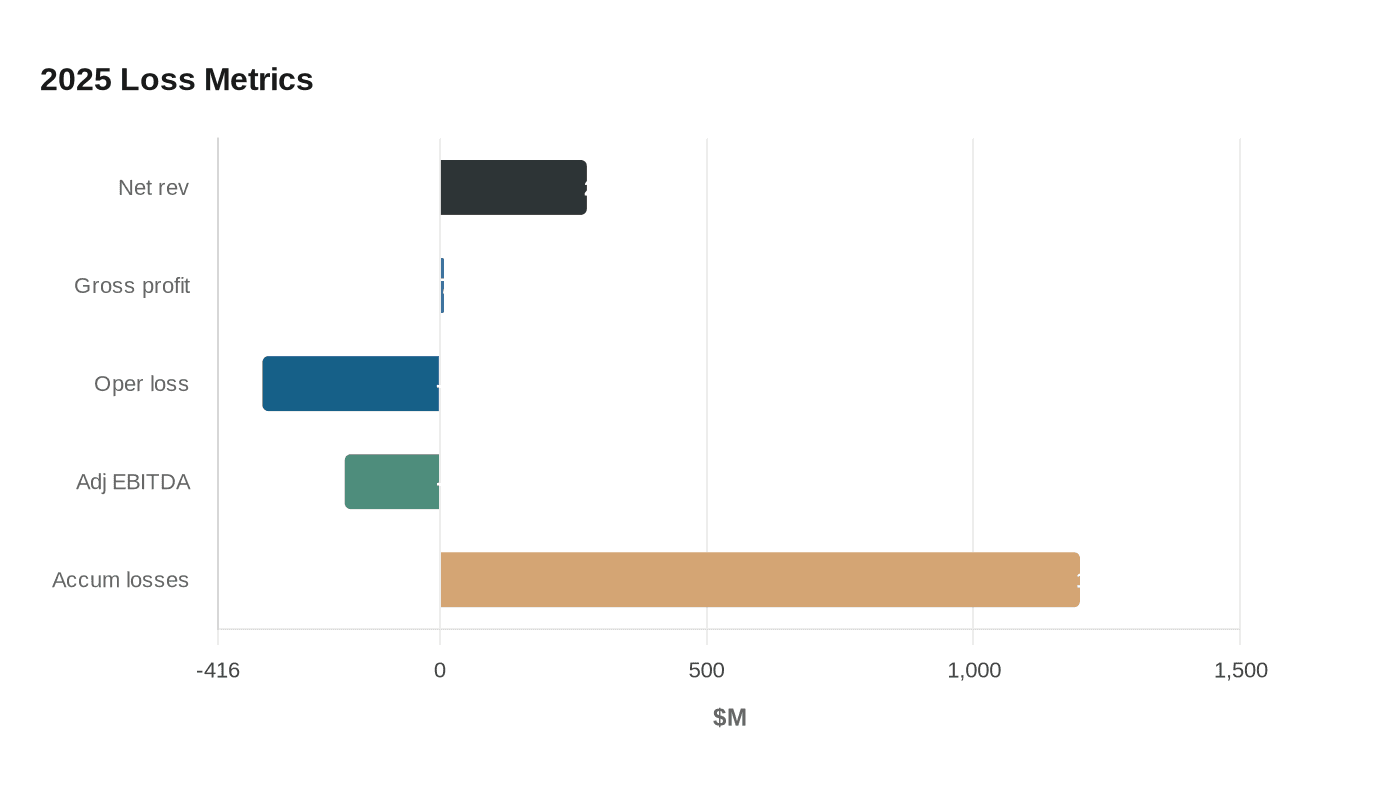
Beyond Meat is still selling protein, but the economics remain punishing. For every $1 it brought in, production costs ran about $1.95, and the company ended 2025 with $1.2 billion in accumulated losses, a blunt reminder that brand recognition does not create pricing power by itself.
The El Segundo, California company reported full-year 2025 net revenues of $275.5 million, down 15.6% from 2024. Gross profit collapsed to $7.6 million, or a 2.8% margin, from $41.7 million and 12.8% a year earlier. Operating loss widened to $332.7 million, while adjusted EBITDA showed a loss of $178.4 million. Behind those numbers sat a stack of non-cash and restructuring charges, including impairment, asset write-downs, litigation accruals and costs tied to the exit from China.
Fourth-quarter results showed the same strain. Net revenues fell 19.7% to $61.6 million, gross profit was just $1.4 million, or a 2.3% margin, and operating loss widened to $132.7 million. Beyond Meat said the quarter included $2.4 million in excess and obsolete inventory charges tied to SKU rationalization and the discontinuation of certain product lines, plus $1.5 million in expenses related to the cessation of operations in China. The quarter also included a $38.9 million non-cash litigation-related accrual.
The company entered 2026 saying it had reduced leverage, extended its debt maturity and added liquidity, while pursuing top-line stabilization and margin expansion under a brand repositioning to “Beyond The Plant Protein Company.” That reset underscores the broader problem facing the first wave of alt-protein brands: consumers may care more about protein than before, but interest alone has not translated into durable plant-based profit. Beyond Meat also disclosed two material weaknesses in internal controls over financial reporting, adding another layer of pressure to a business already trying to cut complexity and steady sales.
The contrast with meat economics is sharp. USDA’s April 16 market outlook forecast 2026 beef production at 25.790 billion pounds, with slaughter steer prices at $241.66 per hundredweight, 8% above a year earlier. Beef imports were projected at 5.790 billion pounds, up 6%, while exports were forecast at 2.365 billion pounds, down 8%. Even after ground beef prices rose 10.3% in June 2025 and steak prices climbed 12.4%, the U.S. cattle herd was still just under 87 million cattle and calves at the start of 2025, a near-75-year low that helped keep the market tight and demand resilient. For Beyond Meat, that resilience is the hard lesson: a crowded protein aisle has not made plant-based meat an easy business.
Know something we missed? Have a correction or additional information?
Submit a Tip