BHP Port Hedland electrical workers set vote on work stoppages
A six-month stalemate at Port Hedland has pushed BHP electrical workers toward a stoppage vote at a port that moves 43% of global iron ore exports.
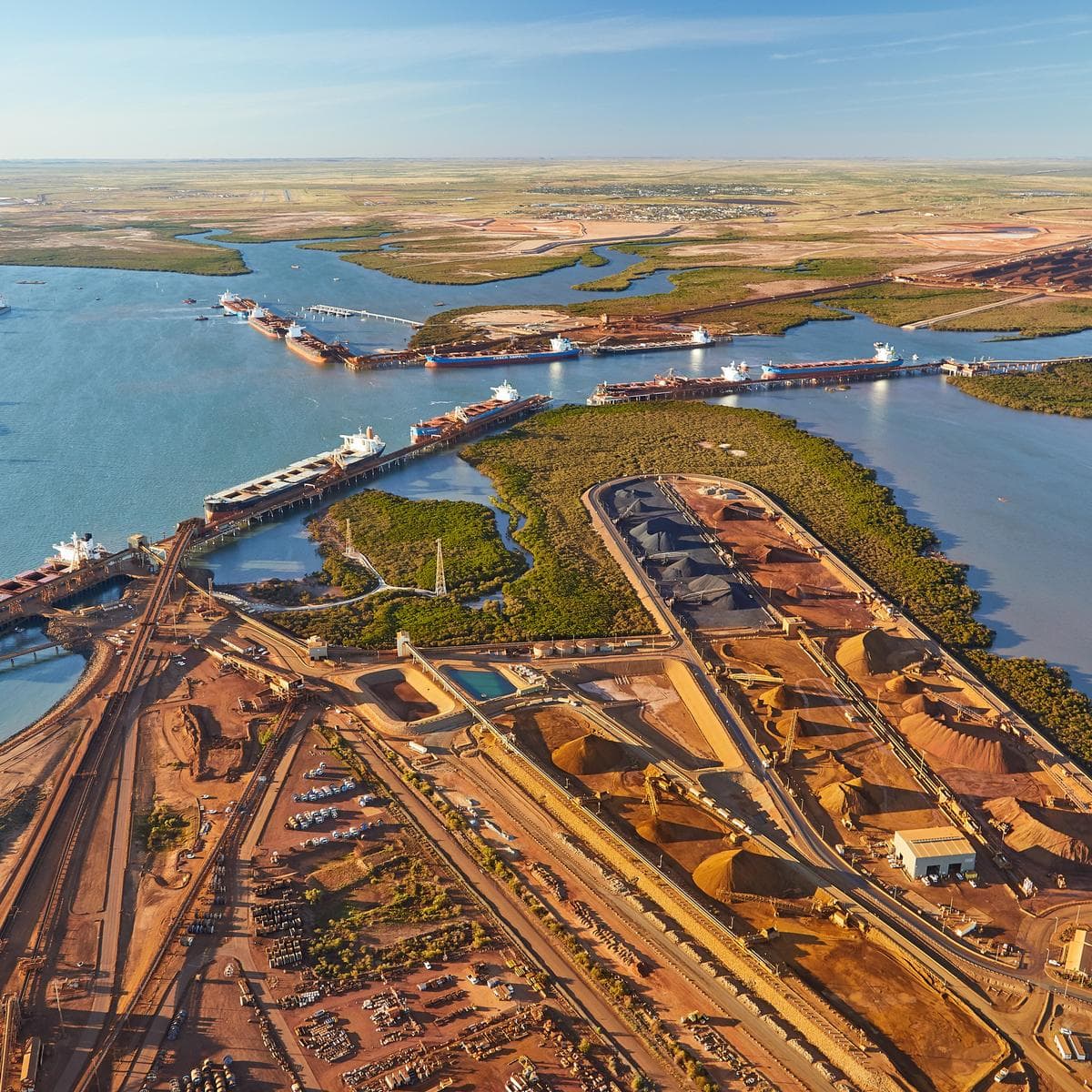
Electrical workers at BHP’s Port Hedland bulk port terminal moved closer to work stoppages after six months of failed talks, placing one of Australia’s most important iron-ore export chokepoints under fresh labor pressure.
The dispute has been shaped less by a simple pay fight than by how BHP’s workforce is structured. The Electrical Trades Union said workers were employed on different common-law contracts under two BHP-owned legal entities and were seeking clearer classification rules, promotion standards and pay parity with coworkers doing the same work. The union said negotiations stalled because some employer representatives were either not authorized to bargain or were unwilling to do so.

The next step is a vote on protected industrial action, a process that could open the door to stoppages if bargaining remains deadlocked. Under Australian workplace law, protected industrial action is available only while negotiations continue for a proposed enterprise agreement, which makes the ballot itself a key signal of how far the dispute has escalated.
The stakes are unusually high because Port Hedland is not just another works site. BHP says the terminal has 15 berths and can handle vessels from 25,000 deadweight tonnes to 320,000 deadweight tonnes. Pilbara Ports describes Port Hedland as the world’s largest bulk export port, and says Port Hedland and Dampier together account for about 82.5% of Western Australia’s iron ore exports and about 43% of global iron ore exports. Even a limited disruption would matter because the terminal sits inside a supply chain that links mines, rail and port infrastructure across the Pilbara and into overseas steel markets.
BHP says its Western Australia Iron Ore system is connected by more than 1,000 kilometres of rail and port infrastructure, underscoring how much output depends on steady operations at a small number of critical points. That concentration gives electrical workers leverage far beyond their numbers: a dispute involving a relatively narrow group can still threaten shipment schedules, vessel turnarounds and the confidence of steelmakers watching for delays in ore supply.
The broader labor backdrop adds to the pressure on management. A separate Reuters item said strike action could come by June 30, the end of the financial year, and ETU WA Secretary Adam Woodage has urged BHP and its head of iron ore in Western Australia, Tim Day, to negotiate with workers. The Port Hedland ballot also follows a 2026 ETU vote on BHP’s Pilbara high-voltage network that some reports described as the first protected industrial action vote against a major Pilbara mine operator in nearly 30 years. If the current ballot advances to stoppages, the issue will reach well beyond one terminal and into the economics of Australia’s iron ore trade.
This article was produced by Prism’s automated news system from verified source data, official records, and press releases, then run through automated quality and moderation checks before publishing. The system is built and supervised by the people who set the standards it runs under. Read our full AI policy.
Did this article answer your question?