Biden sues Justice Department to block release of ghostwriter tapes
Biden is trying to stop the release of about 70 hours of ghostwriter tapes, arguing the recordings are private and protected from public disclosure.
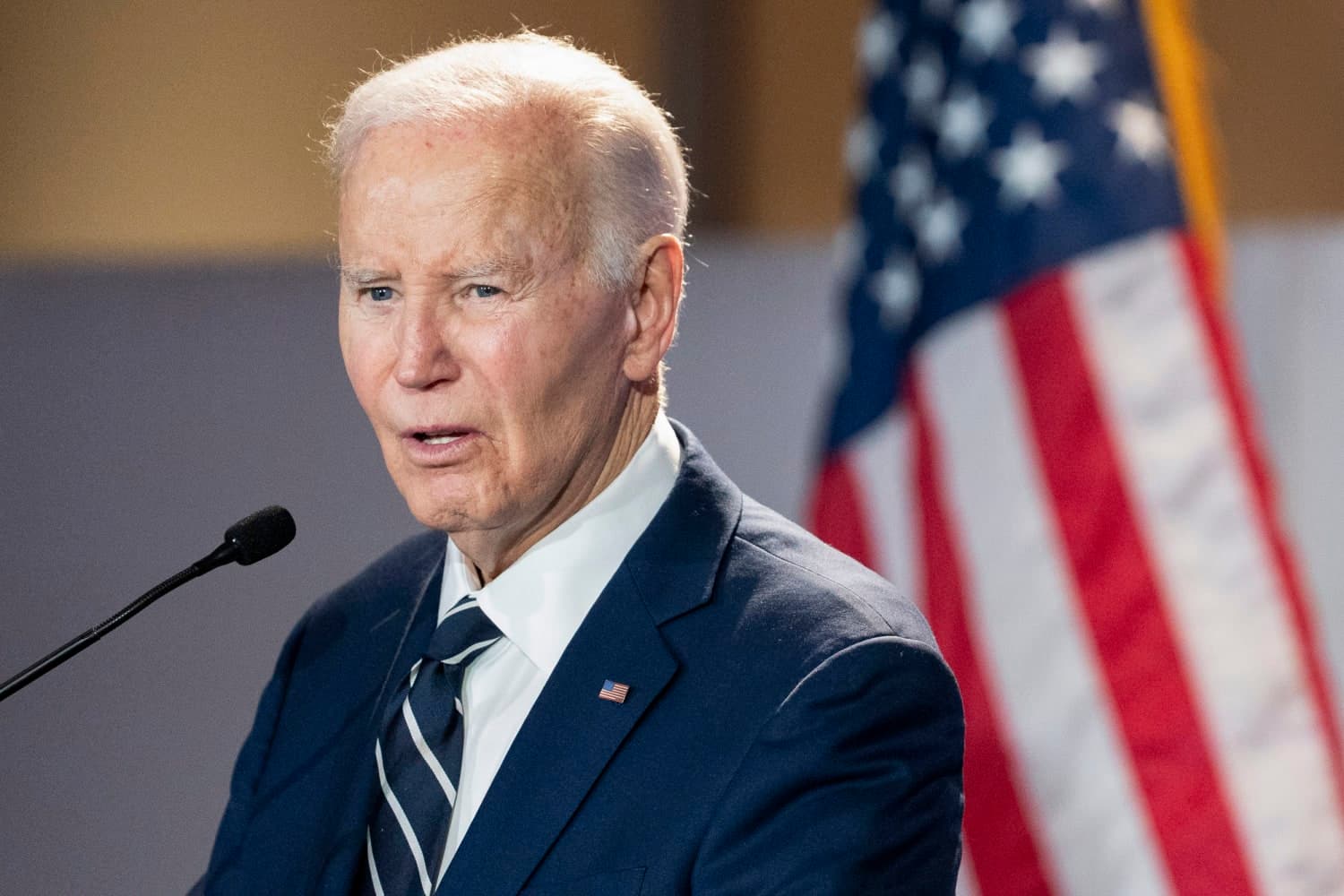
Joe Biden has gone to federal court to block the Justice Department from turning over audio recordings and transcripts of his private conversations with ghostwriter Mark Zwonitzer, setting up a fight over presidential privacy, transparency and the reach of public records law.
The lawsuit, filed Tuesday in the U.S. District Court for the District of Columbia, seeks to stop release of about 70 hours of material from Biden’s 2016 and 2017 interviews with Zwonitzer, which were used in Biden’s 2017 memoir, Promise Me, Dad. The Justice Department has planned to release the files on June 15 to the House Judiciary Committee and the Heritage Foundation, which sought the records under the Freedom of Information Act.
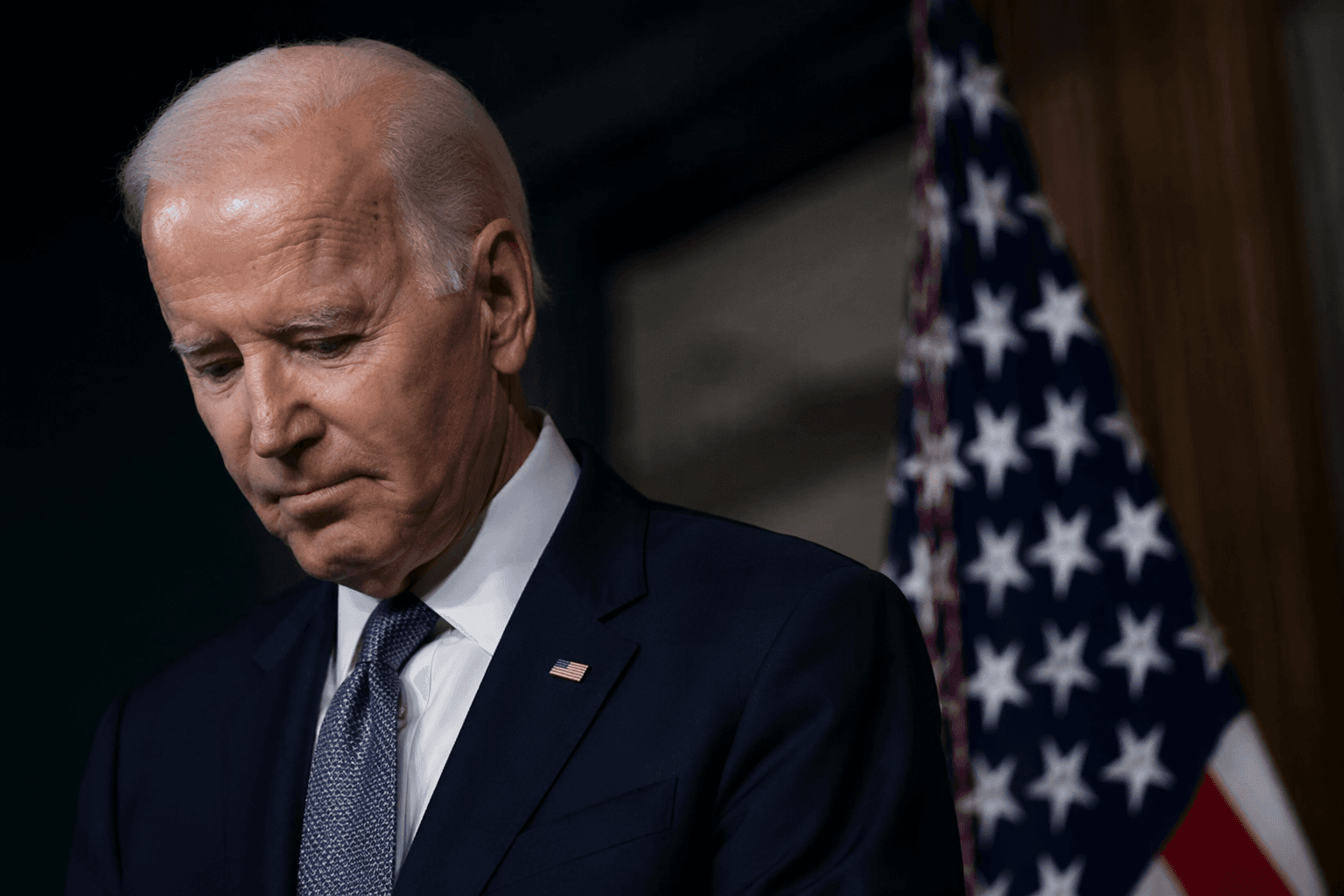
Biden’s lawyers say the recordings and transcripts are exempt from FOIA and that handing them over would amount to an unwarranted invasion of privacy. The dispute is not only about what Biden said to a biographer while preparing a book, but also about how far the government can go in treating those private conversations as records subject to public release.
The case is tied closely to special counsel Robert Hur’s yearlong investigation into Biden’s handling of classified documents from his time as vice president and senator. Hur declined to bring criminal charges, but his February 2024 report drew intense political criticism for its assessment of Biden’s memory and age, including language that helped fuel a broader debate over whether the president was fit for office. Hur also said the audio recordings had significant evidentiary value.
Court filings have said Zwonitzer deleted some recordings after learning of the special counsel appointment, adding another layer to a case already centered on material that became central to Hur’s inquiry. Earlier this month, Biden moved to intervene in the Heritage Foundation’s FOIA lawsuit against the Justice Department. Last week, a judge allowed Biden to join the case but barred him from pursuing claims tied to the House Judiciary Committee’s request for the materials.
The stakes extend beyond Biden. The ruling could help shape expectations for what former presidents may be forced to disclose when private conversations intersect with government investigations, and how aggressively parties on both sides can use records law to pry open politically sensitive files. In a climate already shaped by partisan battles over classified documents and presidential accountability, the court fight is likely to be watched as a test case for disclosure standards that could reach future former presidents of both parties.
This article was produced by Prism’s automated news system from verified source data, official records, and press releases, then run through automated quality and moderation checks before publishing. The system is built and supervised by the people who set the standards it runs under. Read our full AI policy.
Know something we missed? Have a correction or additional information?
Submit a Tip