Big Lake and Horseshoe Cienega Lake drive Apache County tourism
Big Lake and Horseshoe Cienega Lake on the White Mountains are among eastern Arizona's most visited outdoor recreation sites, drawing anglers, boaters and campers and supplying steady business to Round Valley and greater Apache County. Residents and visitors should note seasonal road closures, permit rules on tribal land, and winter gear requirements, because access and safety depend on weather and jurisdictional regulations.

Big Lake and Horseshoe Cienega Lake sit in the White Mountains within or immediately adjacent to Apache County and rank among the region's most visited outdoor recreation destinations. The high elevation setting supports trout fishing, boating with motor restrictions at some sites, and developed campground facilities. These amenities make the lakes a year round economic engine for nearby communities such as Eagar and Springerville, where lodging, guiding services, bait and tackle shops, and restaurants rely on steady visitor traffic.
Access patterns vary by season and can affect local businesses. Many high elevation roads close for winter or require chains or 4WD when snow and ice arrive, so travel windows for larger groups and commercial operators are concentrated in spring through fall. Winter access considerations also mean that some recreational activity moves into lower elevation areas, reducing off season foot traffic for Round Valley merchants and outfitters. Visitors and residents planning trips are advised to check current road conditions and seasonal closures before departing.
Horseshoe Cienega Lake is located on Fort Apache Reservation land, and tribal permits or fees may apply for fishing and camping. These jurisdictional requirements are a critical part of trip planning and of local revenue streams, as permit and fee structures support reservation services and infrastructure. Boating rules vary by site, with motor restrictions in place to protect water quality and quiet recreation. Campground facilities exist at both lakes, but high elevation weather can be sudden, so packing cold weather clothing is essential.
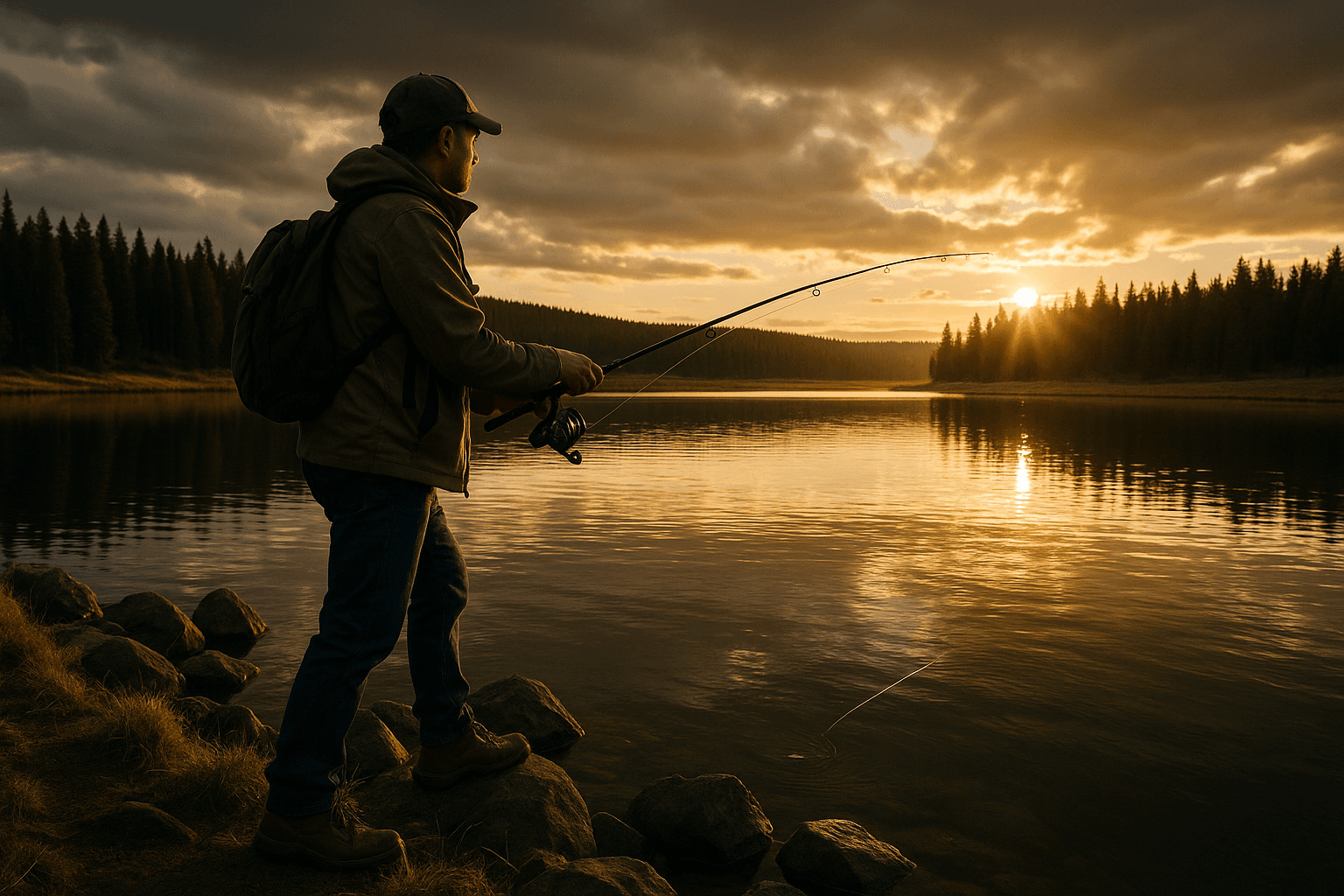
Wildfire risk and pack in pack out principles affect both safety and long term viability of the lakes as tourism assets. Visitors should follow local wildfire guidance and leave no trace practices to help preserve recreational access and protect small business livelihoods that depend on a healthy outdoors economy. For Apache County residents and officials, coordinating road maintenance, seasonal communications, and tribal partnerships will be central to sustaining the economic benefits these lakes generate.
Sources:
Know something we missed? Have a correction or additional information?
Submit a Tip