Big tech split over chatbot ads as Google signals private 2026 plan
Google and Anthropic publicly say they won’t embed ads in chatbots, yet advertiser accounts suggest Google privately plans Gemini ad placements in 2026.
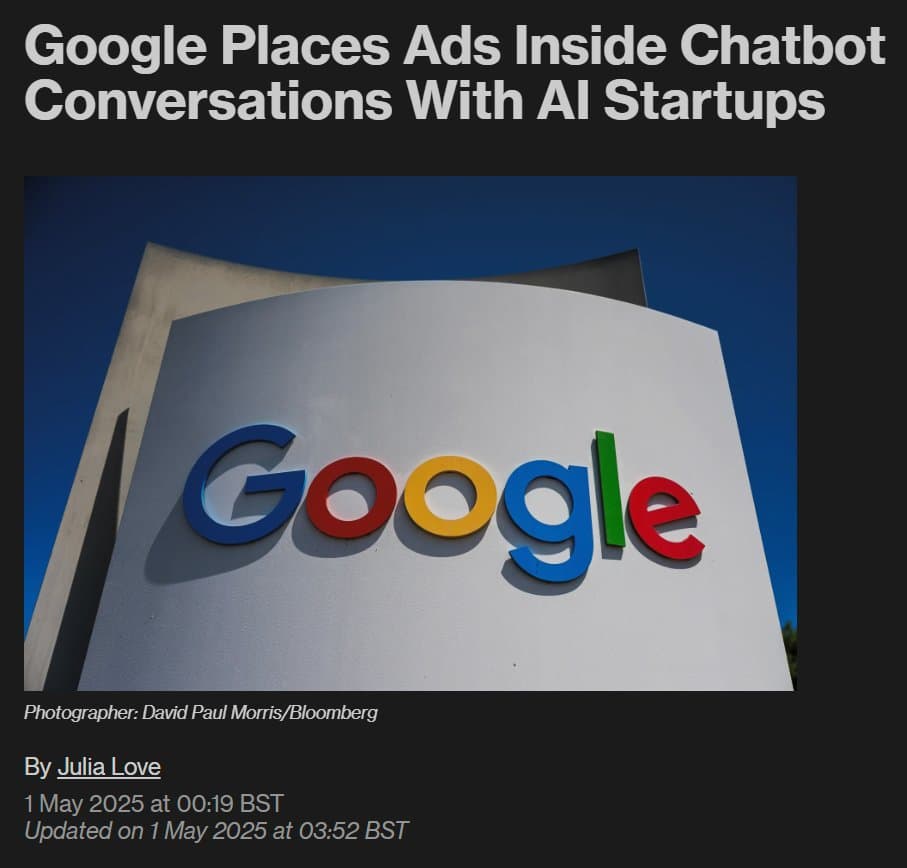
Google and Anthropic are publicly distancing themselves from OpenAI’s recent experiments with advertisements in ChatGPT, saying they currently have no plans to embed ad placements inside their conversational systems. At the same time, advertising buyers report that Google has privately told some clients it intends to bring ads to its Gemini chatbot as early as 2026, creating a public-private split on how the industry will monetize generative chat tools.
Executives at Google and Anthropic made their public stance clear in comments offered around World Economic Forum coverage on Jan. 21, framing the position as a counterpoint to OpenAI’s ad trials. Those remarks emphasize a commitment to keeping core conversational experiences free of embedded advertising for now. The statements reflect a broader concern among platform builders about user trust and the risks of mixing commercial messages with generative outputs.
Separately, a set of agency buyers who asked not to be named say Google representatives told them the company is targeting 2026 for ad placements in Gemini. Those advertiser-facing conversations, described by multiple buyers, reportedly did not include prototypes, mockups, pricing or technical specifics. The buyers characterized the plan as distinct from ads that appear in Google’s AI Mode, the company’s AI-powered search experience launched in March, and said details about format and placement remain unclear.
The two accounts need not be strictly contradictory. Public denials of plans to embed advertising can coexist with private business-development outreach that explores future monetization models. What remains ambiguous is what “bringing ads to Gemini” actually means, whether it would involve ads appearing inside chatbot threads, in companion UI affordances, in related search results, or in other peripheral placements. Without prototypes or written guidance shared with advertisers, the scope and timing of any rollout are uncertain.
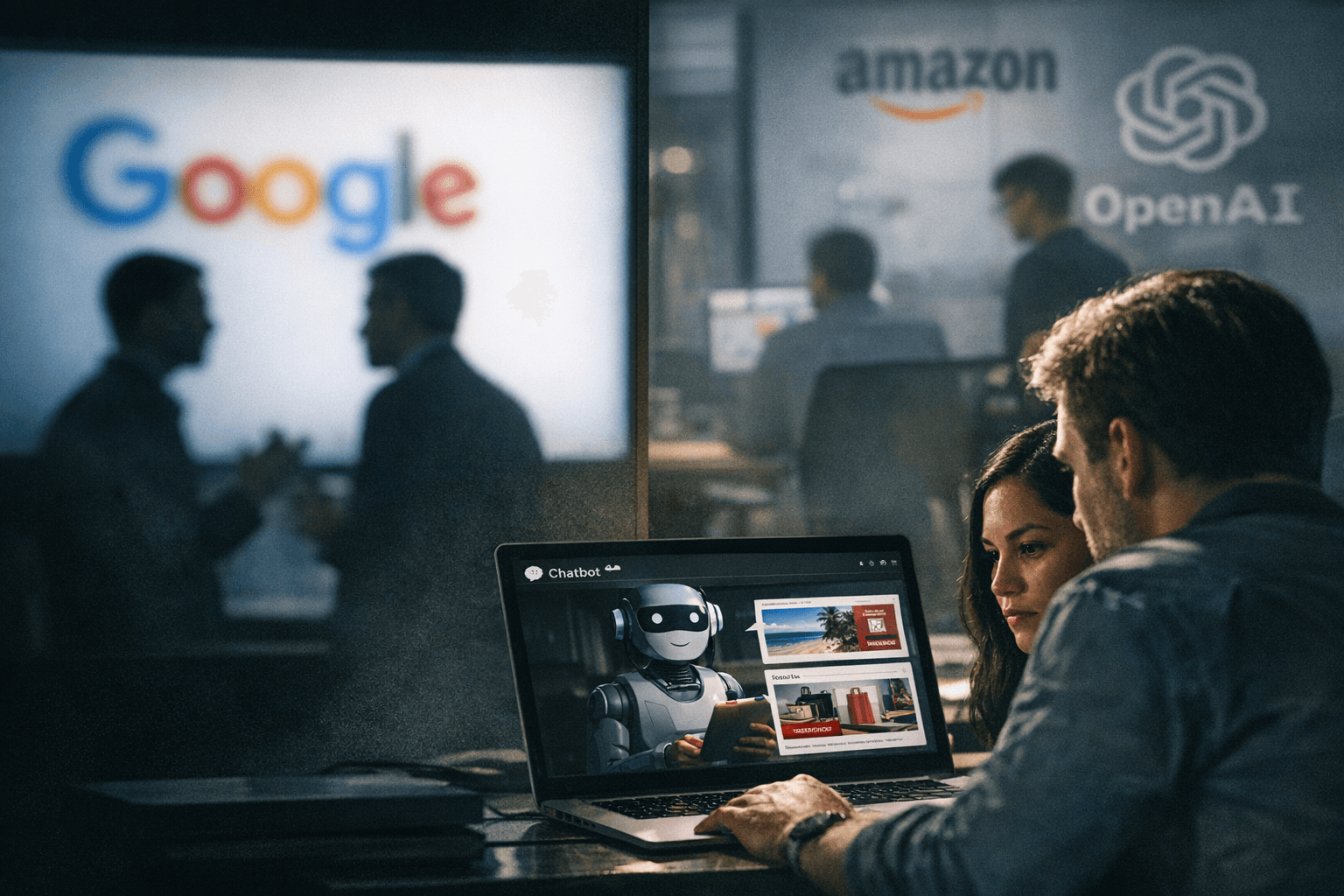
The divergence highlights a central tension shaping the next phase of generative AI: how to fund increasingly expensive model development without eroding user trust or amplifying misinformation through paid placements. OpenAI’s ad tests have accelerated that debate by demonstrating one path to revenue that raises concerns about sponsored content being conflated with model-generated responses. For companies that have built reputations on search neutrality and safety, moving too quickly to embed advertising could invite regulatory scrutiny and user backlash.
From an industry perspective, the advertiser reports suggest Google is exploring a range of commercial options behind closed doors even as it signals restraint publicly. That approach would allow sales teams to prepare the market while product teams continue to study implications for content labeling, targeting, and safety controls. For consumers and regulators, however, the distinction between private business pitches and public policy statements may matter little if monetized content begins to appear in conversational outputs.
Key questions remain unresolved: whether Google will define in-product ads as separate from embedded chatbot placements, what ad formats or disclosures might look like, and how any rollout would be governed to prevent misleading or unsafe content. Until companies publish concrete plans or demonstrate prototypes, the industry will continue to balance competing pressures for revenue, user trust and regulatory compliance as conversational AI matures.
This article was produced by Prism’s automated news system from verified source data, official records, and press releases, then run through automated quality and moderation checks before publishing. The system is built and supervised by the people who set the standards it runs under. Read our full AI policy.
Did this article answer your question?