Bipartisan MATCH Act Would Tighten Chip Tool Exports to China
The MATCH Act would extend U.S. chip tool export controls to ASML and Tokyo Electron, and ban foreign engineers from servicing equipment inside Chinese fabs.
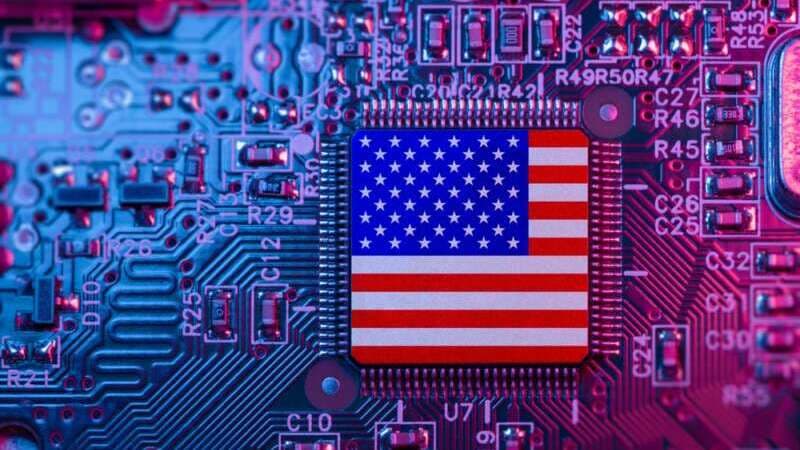
A bipartisan group of House lawmakers introduced draft legislation that would extend U.S. semiconductor export controls to foreign equipment makers including ASML and Tokyo Electron, and prohibit their engineers from providing on-site maintenance inside China, closing what sponsors describe as the most consequential loophole in existing restrictions.
The MATCH Act, short for Multilateral Alignment of Technology Controls on Hardware, was introduced in the House on April 2 by Representative Michael Baumgartner, with Senator Pete Ricketts named as the lead on a companion Senate draft. The bill targets the widening gap between what American companies, specifically Applied Materials, Lam Research, and KLA, are already prohibited from doing in China, and what their Dutch and Japanese counterparts have continued to do largely unimpeded.
The on-site service restriction may prove to be the sharpest edge of the legislation. Equipment as complex as ASML's lithography systems requires sustained technical support from specialized engineers to operate at peak performance. Cutting off that in-country support pipeline could effectively degrade installed tools inside Chinese fabs without requiring any hardware to be physically removed.
Baumgartner framed the measure in explicit national security terms, saying it was designed to "ensure that America and our allies move in lockstep to close these gaps, defend our technological edge, and safeguard the supply chains that power everything from our weapons systems to our critical infrastructure." Ricketts, announcing his involvement in the Senate companion effort, said the legislation would create "a level playing field for U.S. companies."
Since 2022, Washington has coordinated with the Netherlands and Japan to restrict exports of the most advanced chipmaking equipment to China. Critics in Congress have argued that those agreements left room for foreign firms' in-country service networks to keep Chinese chipmakers operating near the frontier of capability. The MATCH Act moves to close that gap legislatively, reaching not just U.S. exporters but the allied vendors and their entire in-China support infrastructure.
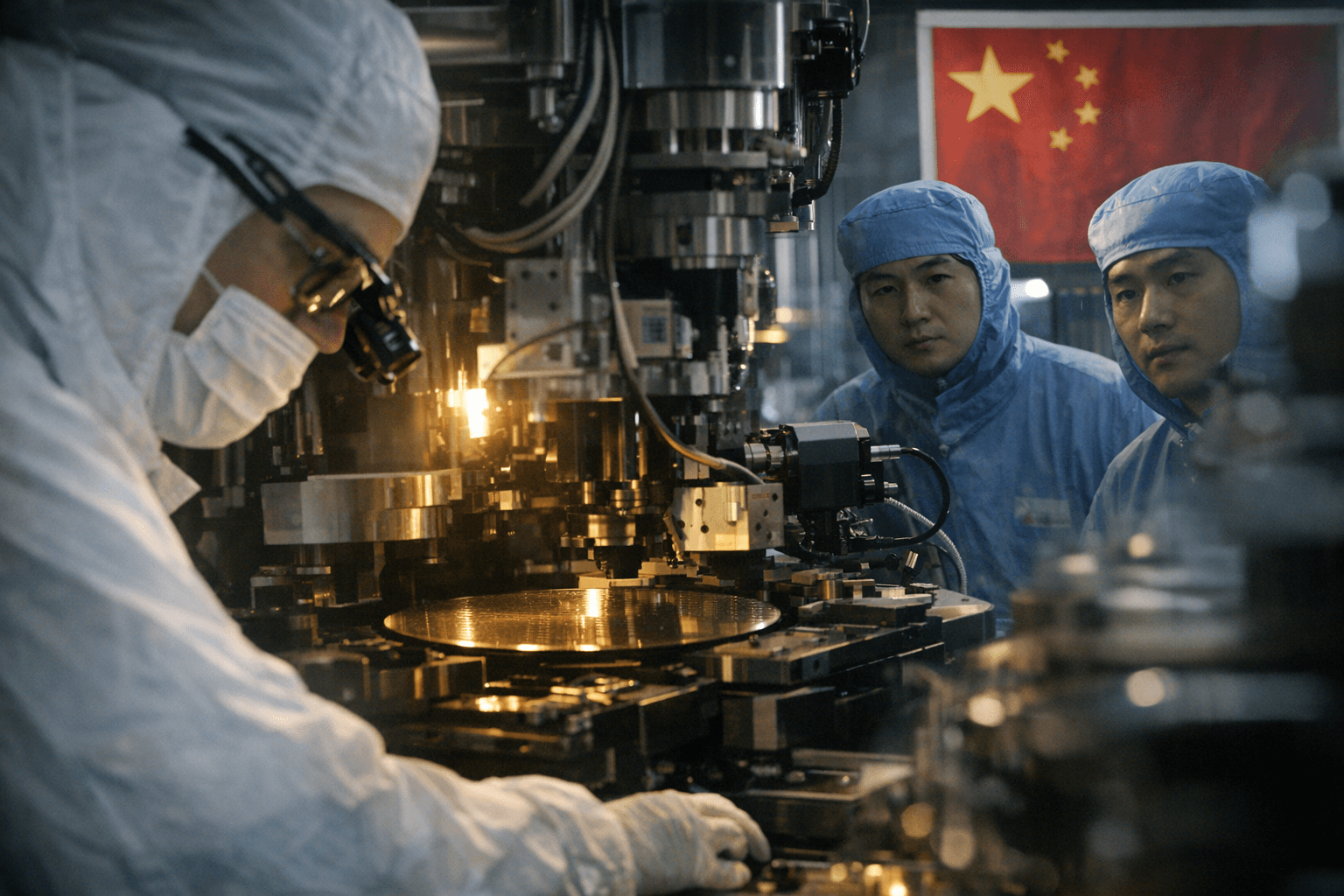
The bill's scope extends beyond leading-edge AI chip production. Sponsors say new controls would apply to tools used to manufacture more conventional components, reflecting a judgment that broad chipmaking capacity, not only the most advanced process nodes, carries long-term strategic risk.
If the legislation advances, it hands U.S. negotiators direct leverage over The Hague and Tokyo: align export policy or face potential friction over trade and diplomatic standing. For equipment makers, the calculus is stark. ASML and Tokyo Electron each derive significant revenue from Chinese customers, and compliance costs tied to new U.S. restrictions would compound losses already accumulated under earlier control rounds.
The bill now moves toward committee hearings, where industry groups representing Applied Materials, Lam Research, and KLA are expected to raise concerns about supply chain disruption and long-term competitiveness. Diplomatic engagement with allied governments will almost certainly follow, as Washington tests whether legislation can accomplish what three years of bilateral agreements have not.
This article was produced by Prism’s automated news system from verified source data, official records, and press releases, then run through automated quality and moderation checks before publishing. The system is built and supervised by the people who set the standards it runs under. Read our full AI policy.
Did this article answer your question?

